Breaking News
Japanese antique coin news and articles collected from around the world (155 articles)
The Issuance Background and Identification Features of the Commemorative Coins for the Emperor's Accession
The commemorative coins for the Emperor's accession, issued in 1990, include a ¥100,000 gold coin and a ¥500 cupronickel coin. They were also issued in 2019, and are characterized by their limited issuance. For identification, factors such as weight, inscriptions, and accompanying items are crucial; particularly the ¥100,000 gold coin, which comes with a special case and certificate.
Background and Specifications of Non-convertible Paper Money Daijōkansatsu Issued by the Meiji Government
Daijōkansatsu are non-convertible paper money issued by the Meiji government in 1868, with five denominations ranging from 10 Ryō to 1 Shu. The issuance was driven by military financing and the consolidation of han-satsu. Although initially promised to be convertible to gold, they circulated as non-convertible paper money. The total issued amount reached approximately 48 million Ryō, leading to a rapid depreciation of the paper money.
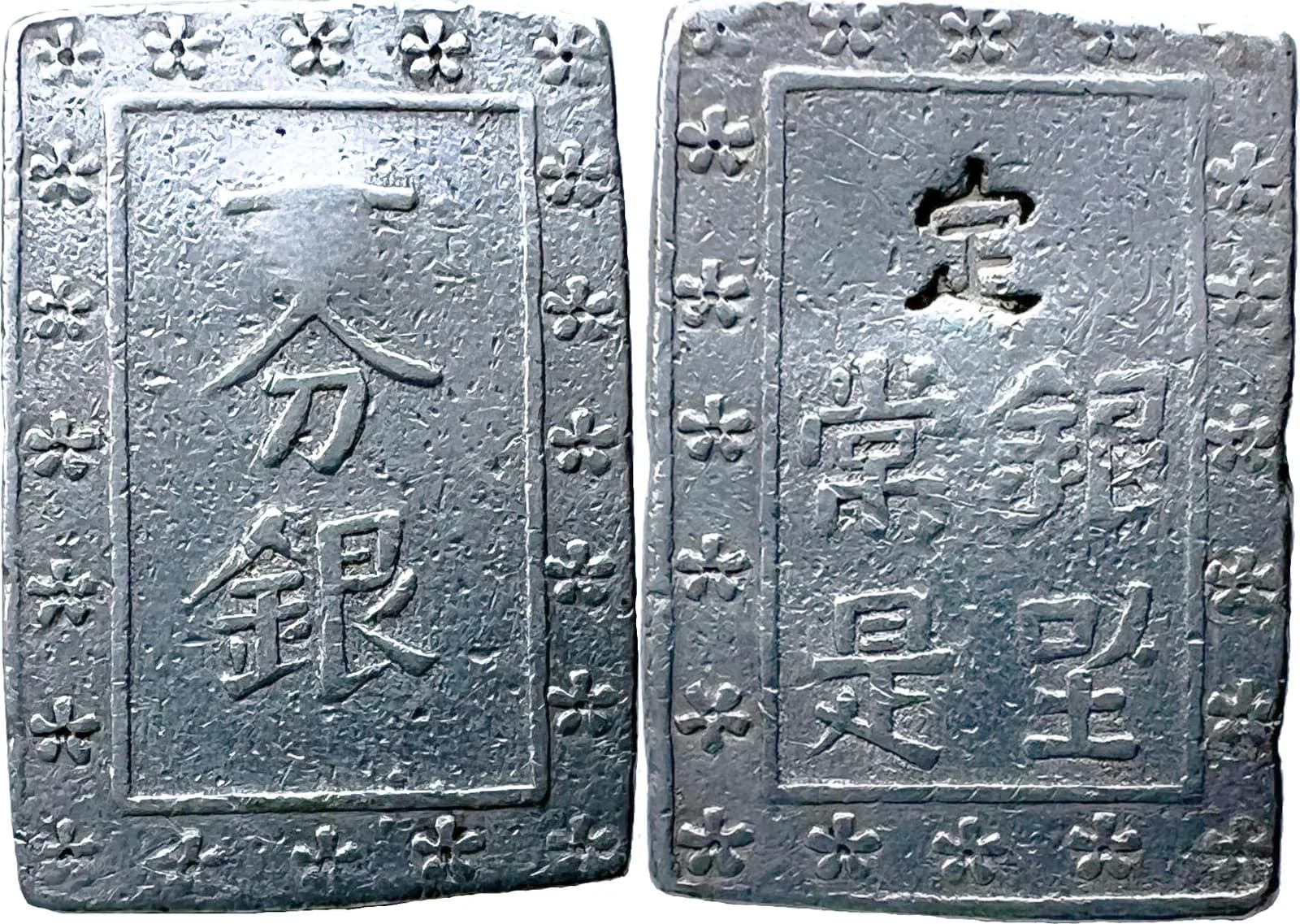
Background, Specifications, and Identification Features of Ansei Ichibugin
The issuance of this coin was influenced by measures to prevent gold coin outflow due to port opening and international negotiations. One Western silver dollar was considered equivalent to three Ichibugin coins, and the shogunate melted Western silver to issue Ansei Ichibugin.
The Background, Specifications, and Identifying Features of Tenpō Ichibugin
Tenpō Ichibugin, a counted silver coin issued in 1837, is listed in the Permanent Exhibition Catalog of the Currency Museum with a fineness of 99% (rounded value). Tenpō Ichibugin and Ansei Ichibugin differ in fineness and issuance background, reflecting the policy and international relations of their respective periods.
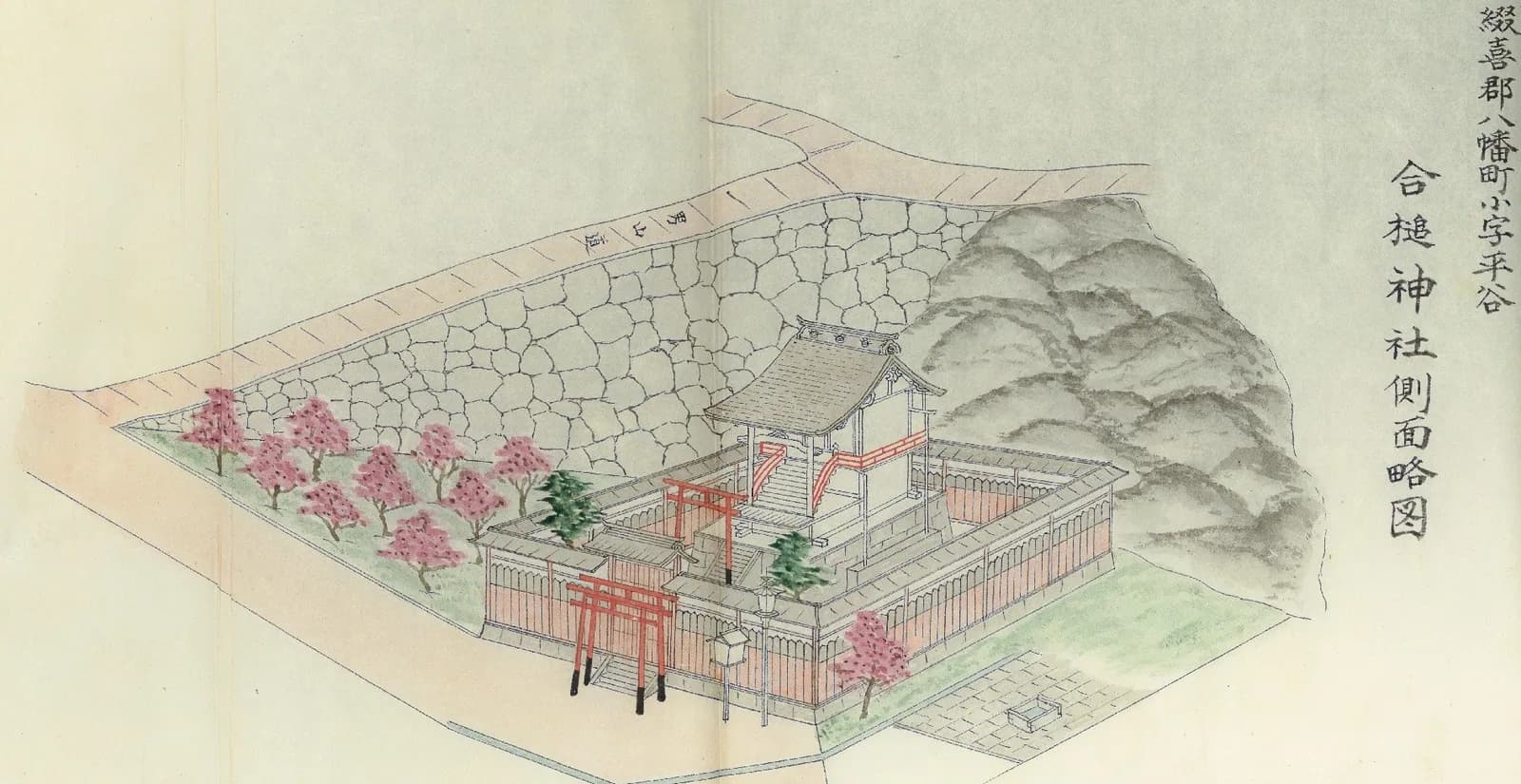
The Value and Identification of Meiji Tsūhō: Records of New Banknotes (German Banknotes)
Meiji Tsūhō (Meiji Tsūhō Satsu) is a banknote issued by the Meiji government in 1872 (Meiji 5). Numismatic Museum catalogs describe it as an inconvertible banknote issued for currency unification, initially printed in Germany, and later supplemented with "Meiji Tsūhō" characters in Japan, hence also called German banknotes. When examining its value, confirm the denomination, condition, and the presence of verified records.
What Is the Kyōhō Koban: The Shōtoku-Kyōhō Recoinage and Recorded Purity and Weight
The Kyōhō Koban is a gold coin from the Edo period, first minted in 1715 (Shōtoku 5), following a proposal by Arai Hakuseki to enhance the coin’s purity further after the Shōtoku Recoinage of 1714. According to the Currency Museum, it is recorded as having a fineness of 87% and a weight of 18 grams, making it the highest purity koban of the Edo era. Verification of individual coins involves comparing stamps, kaō (signatures), and weight against records and catalogs.
Basic Knowledge on the Value and Identification of Meiji Gold Coins
Meiji gold coins, modern Japanese coins issued based on the New Currency Act of Meiji 4 (1871), are divided into old and new gold coins. This article organizes the institutional positioning, value as bullion based on denomination weight and fineness, and the basics of grading and storage. Due to the absence of confirmed records and cross-verified auction records, issuance numbers and market evaluations for each year are not definitively stated.
The Value and Market of Taishō Silver Coins: The Basic Role of Mintage in Pricing
The market value of Taishō silver coins fluctuates greatly depending on mintage numbers. Particularly rare years are traded at high prices, with coins from Taishō 5 and Taishō 12, which had low mintages, being especially popular among collectors.
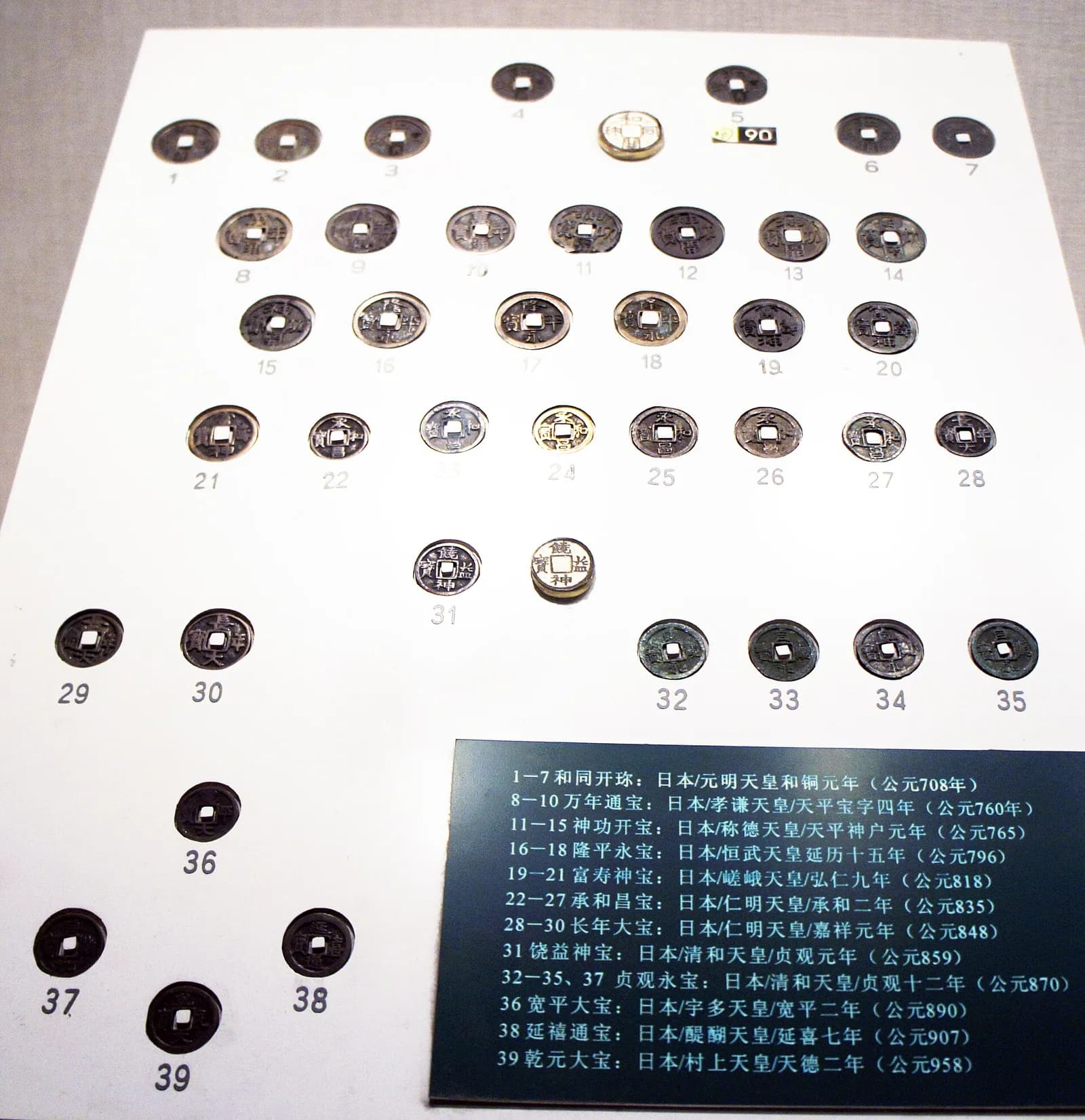
The Value and Basics of Distinguishing Kōchō Jūnisen
Kōchō Jūnisen are an important group of coins symbolizing the beginning of Japan's ancient monetary system. Their value significantly varies with rarity and condition, and discerning authenticity is key to collection. Understanding historical context and its impact on valuation is crucial, requiring expert knowledge.
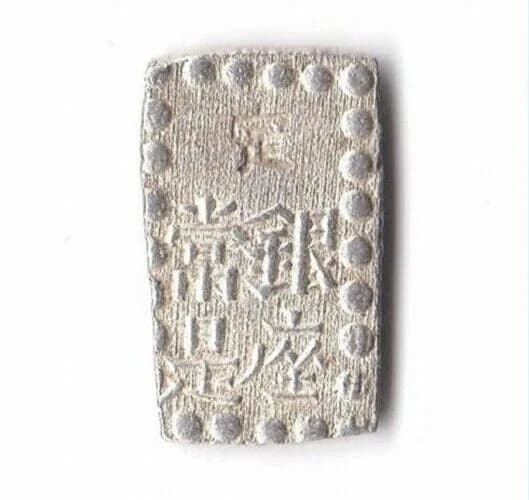
The History and Value of Tenpō Chōgin: Identification and Market Trends
The Tenpō Chōgin, a low-fineness silver coin issued in 1837, symbolizes a pivotal change in the currency system against the backdrop of the Tokugawa shogunate's financial difficulties.
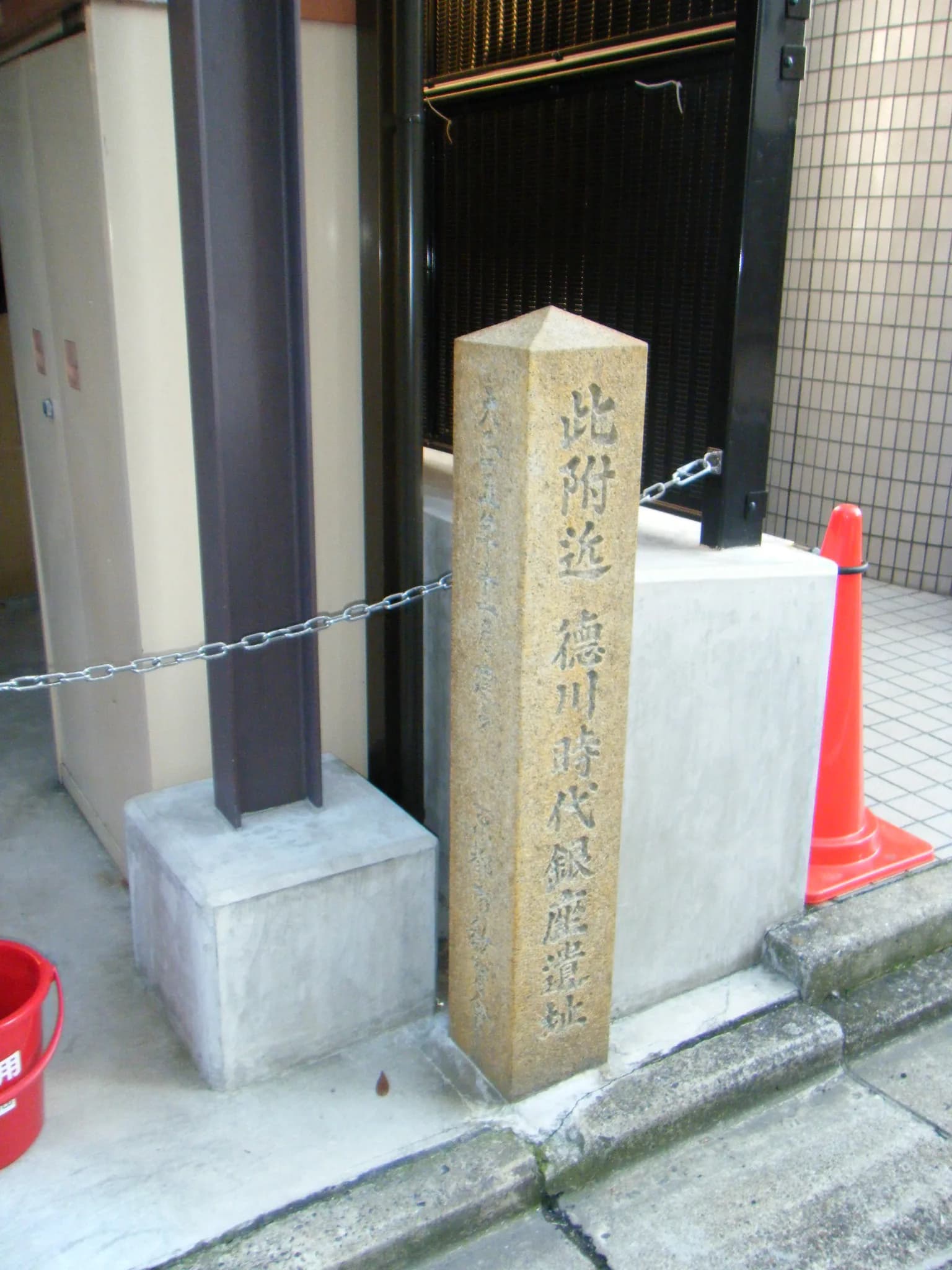
An Introduction to Identifying Counterfeit Old Coins: Basic Knowledge and Practical Methods
To identify counterfeit old coins, the fundamental approach involves using precise scales and calipers to measure weight and dimensions. Understanding the characteristics of cast counterfeits, electroformed counterfeits, and altered coins, and selecting reliable purchasing sources is also important. By knowing the historical background and manufacturing techniques, one can prevent fraud and accurately assess the value of old coins.
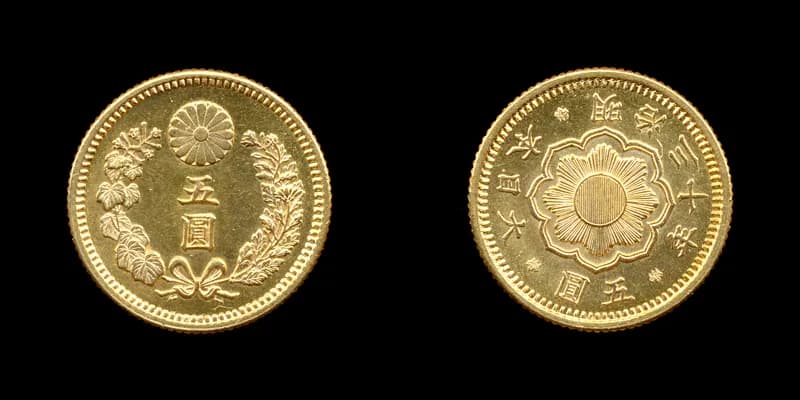
The Value and Identification of Trade Silver Coins: From Basics to Market Trends
Trade silver coins, large silver coins issued in the Meiji era, are highly valued in the market due to their short issuance period and rarity. Their value varies depending on the year of issuance, condition, and presence of certification, and they can be traded at high prices in collector markets. Expert knowledge is required to distinguish genuine coins, and preservation methods are crucial for maintaining their value.
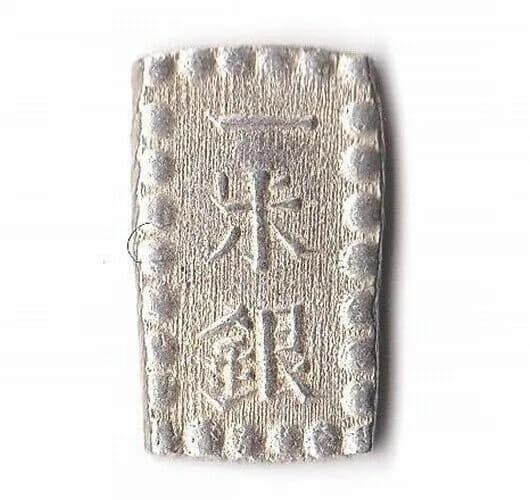
A Thorough Analysis of the Value and Price Trends of Edo Period Silver Coins
Edo period silver coins are divided into two systems: weighed silver coins and counted silver coins, each with different methods of value determination. Changes in fineness and market trends affect the valuation of silver coins. Attention to acquisition and storage is crucial; proper knowledge is key to uncovering their value.
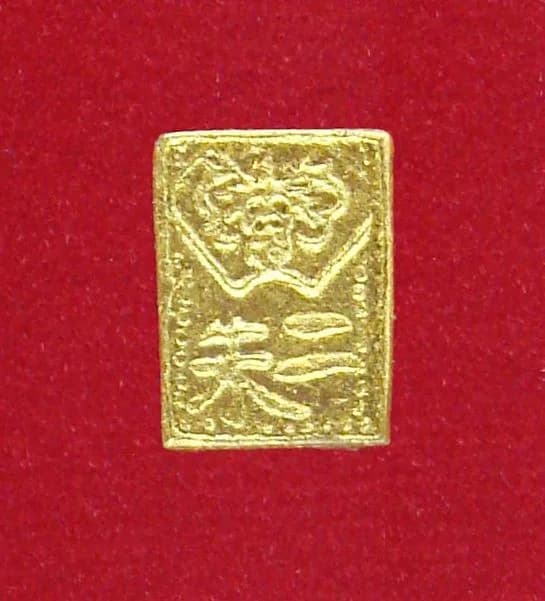
The Value and Identification of Kyōhō Ōban: History and Market Trends
It is recommended to be cautious of counterfeit risks and to choose certified items from reliable appraisal institutions.
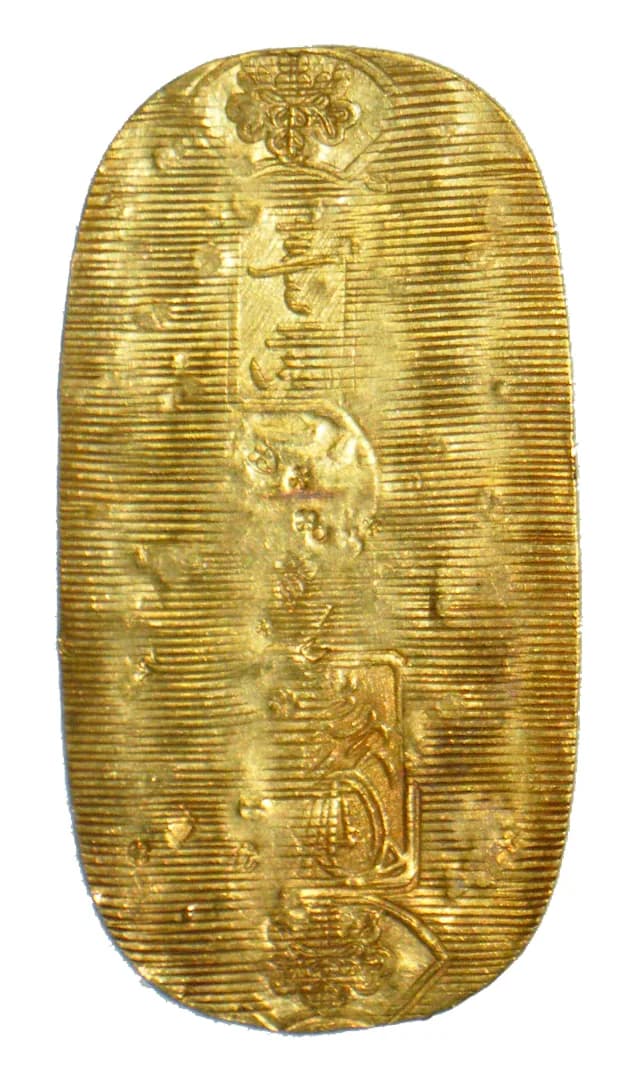
The History and Value of the Keichō Koban: Identification and Market Trends
The Keichō Koban, commissioned by Tokugawa Ieyasu in 1601, was the first official koban in Japan and laid the foundation for the Edo period monetary system. Recognizing authenticity and understanding market trends are crucial for collectors.
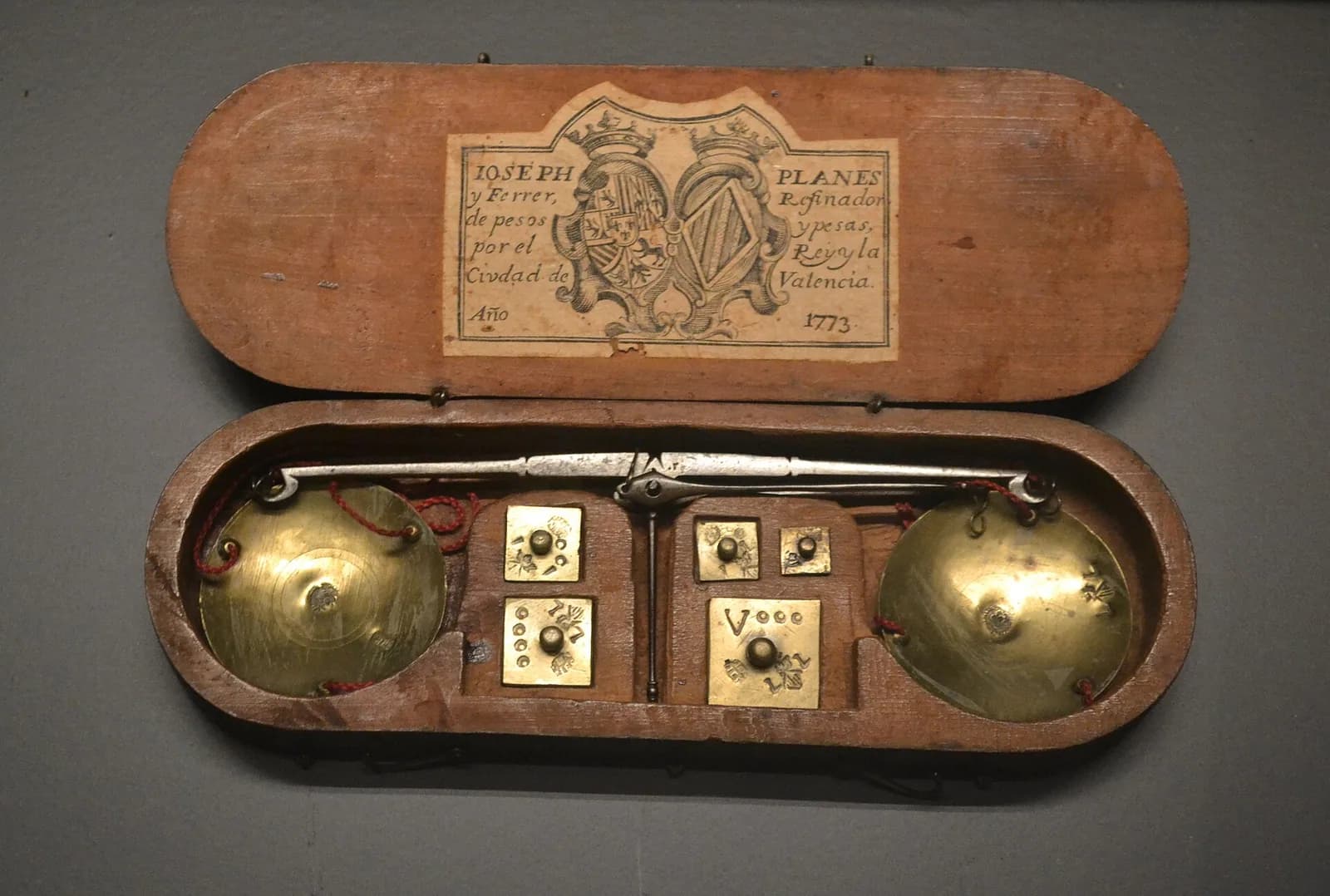
An Introduction to Numismatic Script Identification: Basics of Value and Distinction
The identification of script on numismatic pieces is an indispensable skill for assessing value and determining authenticity. Variations in script can significantly impact market value, with script variations of Kan'ei Tsūhō sometimes resulting in price differences in the tens of thousands of yen. It is important to enhance one's ability to discern script differences by using appropriate observation tools and reliable information sources.
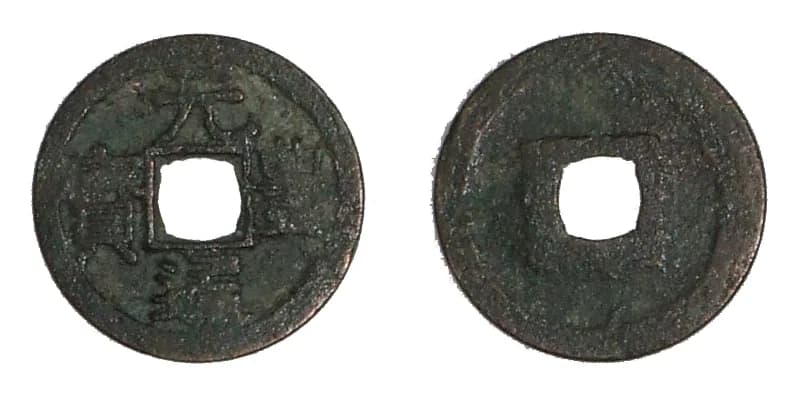
Value and Market Identification of Wadōkaichin
Wadōkaichin, aimed at becoming Japan's first nationally circulated currency, has its value determined by the rarity of its silver and copper coins. Classification into 'Old Wadō' and 'New Wadō', along with authenticity assessments, influence its market value, while historical context enriches its significance.
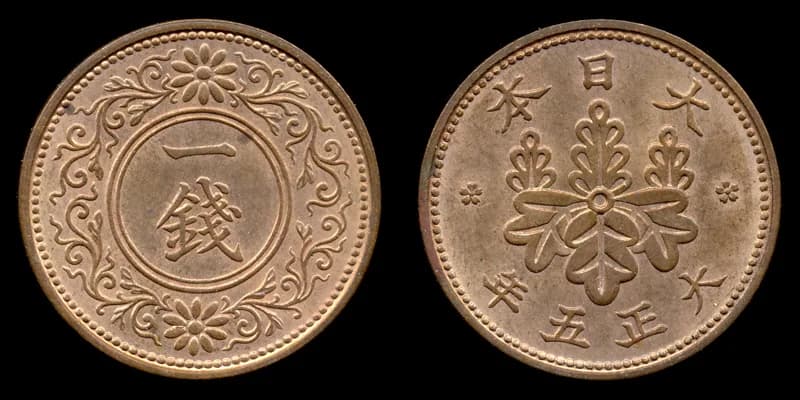
The Value and Identification of the ¥20 Gold Coin: The History and Standards of Old and New Gold Coins
To avoid the risk of counterfeit coins, it is crucial to consult experts and authentication bodies.
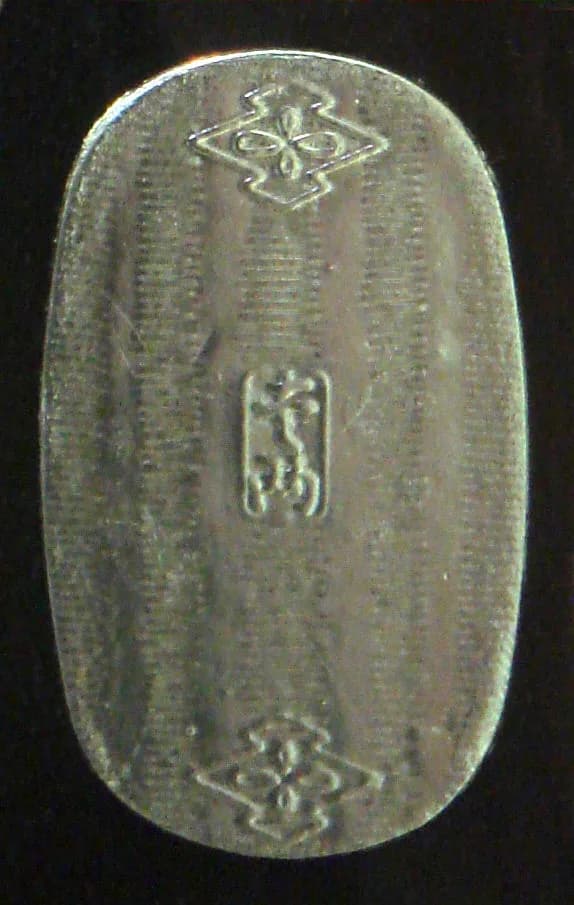
The Value and Identification of Nanryō Nishugin: A Basic Knowledge of Edo Silver Coins
Nanryō Nishugin is a counted silver coin unit issued by the Edo Shogunate in 1772, equivalent to one-eighth of a gold ryō. This article organizes the reasons for its issuance, records of its fineness, differences from other nishugin, and how to view its inscriptions and designs, based on available materials.
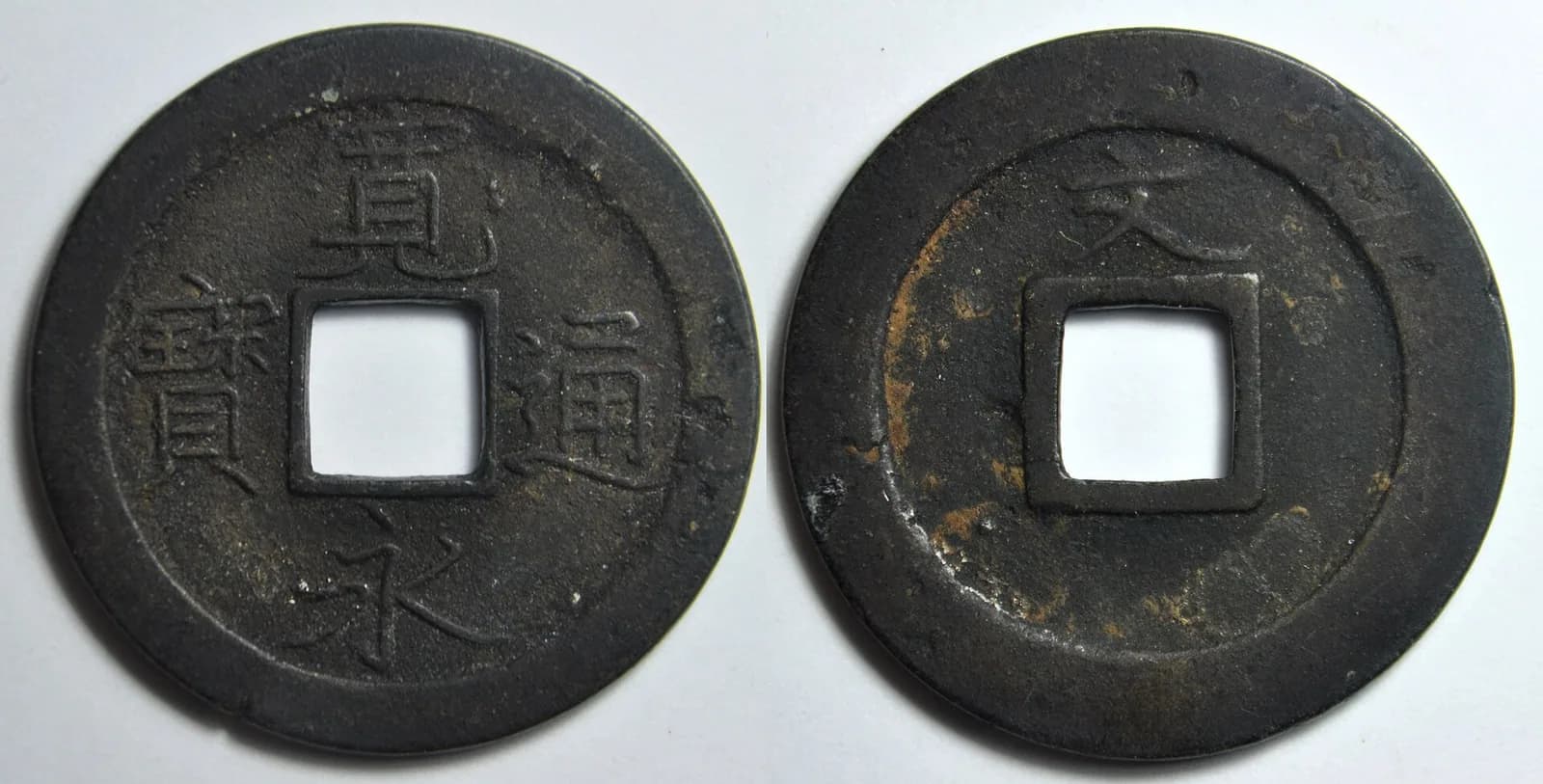
The Value and Identification of Ancient Kan'ei Tsūhō: Diversity is Key
Ancient Kan'ei Tsūhō coins were minted in the early Edo period by various private mints with diverse scripts and materials, and this diversity affects their value. Differences in minting locations and scripts are key evaluation criteria, making authenticity verification crucial. Collectors need to understand these aspects and consider conditions and rarity when assessing value.