Japanese Coin Encyclopedia
Reading Guide →Knowledge base for Japanese antique coin investing (97 articles)
Holed Coins (Ana-sen)
Introduction to Holed Coins
Conclusion: Holed coins offer an accessible entry point to numismatics, providing intellectual investment opportunities where knowledge and experience uncover rarity and value.

The World of Kanei Tsuho
Conclusion: Kanei Tsuho, the cornerstone currency of the Edo economy, offers profound value for both collection and investment by discerning its mother coins and rare variant calligraphies.
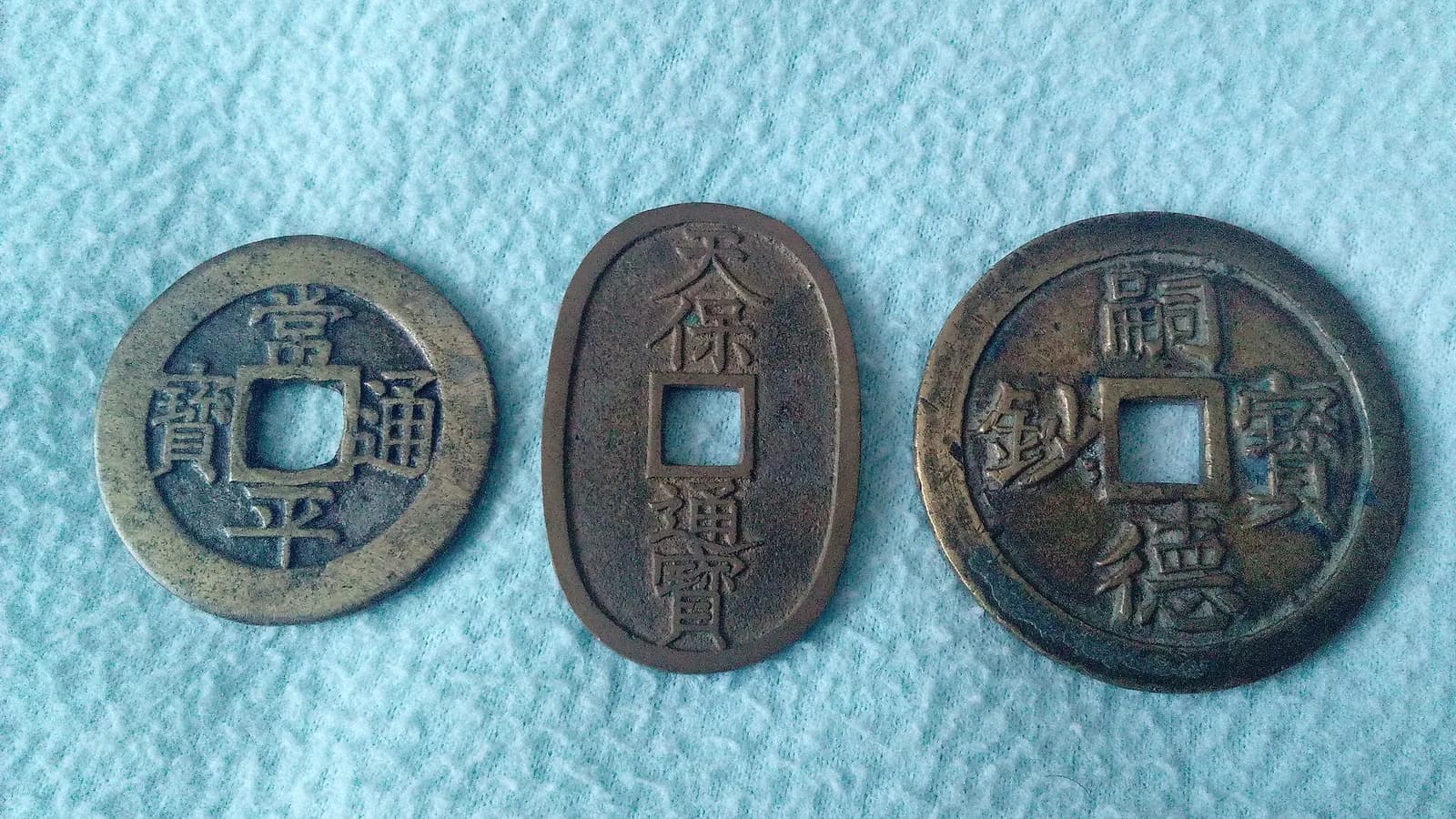
Tenpo Tsuho
Conclusion: Tenpo Tsuho is a large, highly collectible and diverse Anasen, suitable for both investment and collection due to its varieties of Honza-sen and Mitsuchu-sen.
Edo Gold
System and Overview of Edo Gold Coins
Conclusion: Edo gold coins are a stable and attractive investment/collection target, combining historical background, intrinsic gold value, and collector's premium.
Types and Evolution of Koban
Conclusion: Koban reflects the transitions of the Edo economy; understanding each type's characteristics and market value is crucial for purposeful collection and investment strategies.
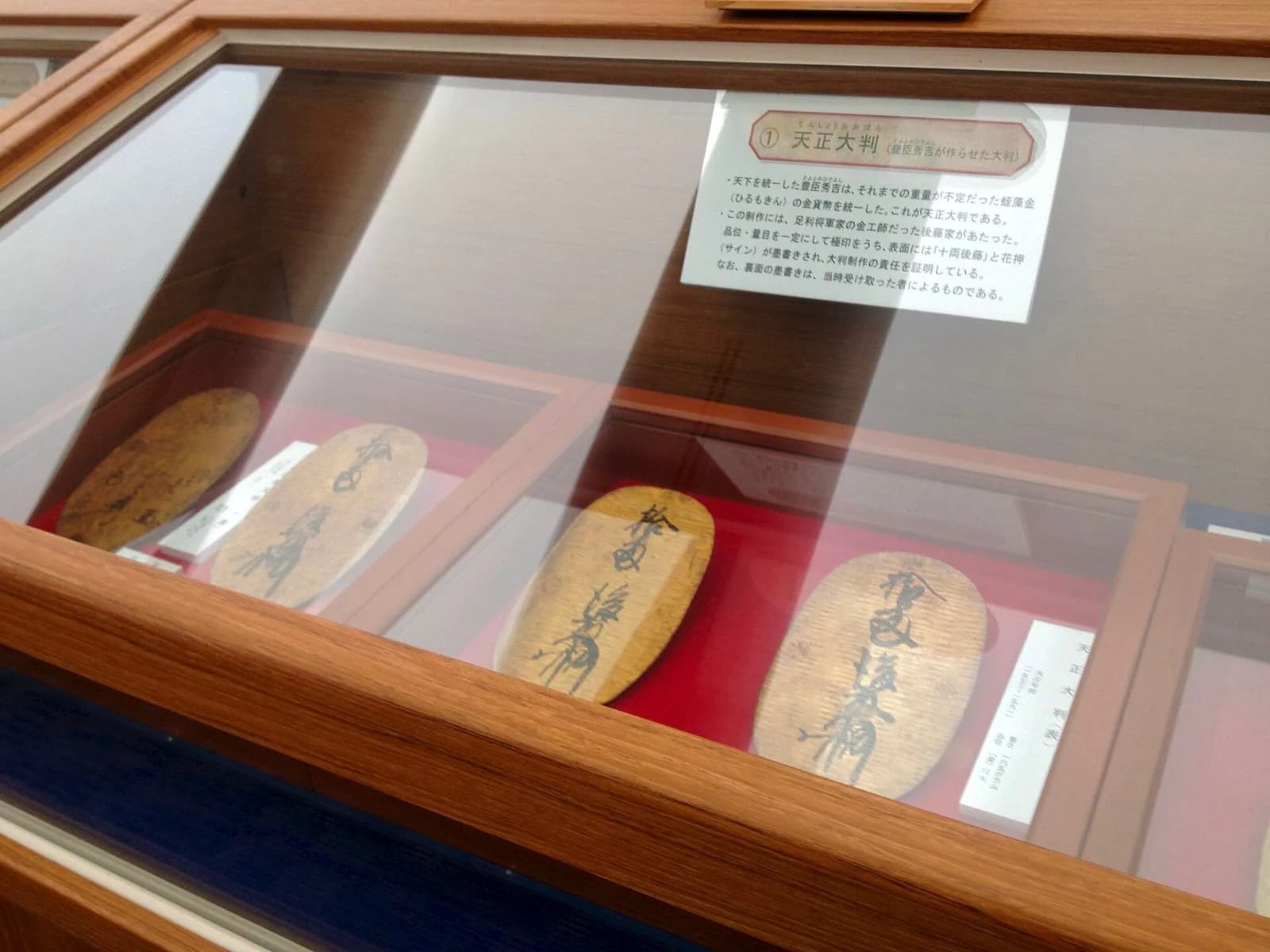
Tensho Oban Gold
Conclusion: The Tensho Oban is a monumental masterpiece in Japanese numismatic history; its rarity and historical value drive its price. Acquiring it through trusted authentication and channels is essential.
Edo Silver
System of Edo Silver Coins
Conclusion: Understanding the two systems (weighed and counted) and complex fineness changes of Edo silver coins, along with appraisal points and market prices, enables smart collecting and investing.
The World of Chogin
Conclusion: Chogin is a fascinating weighing silver coin from the Edo period, whose value is determined by its fineness changes, hallmarks, and condition, making it an attractive collectible and investment.
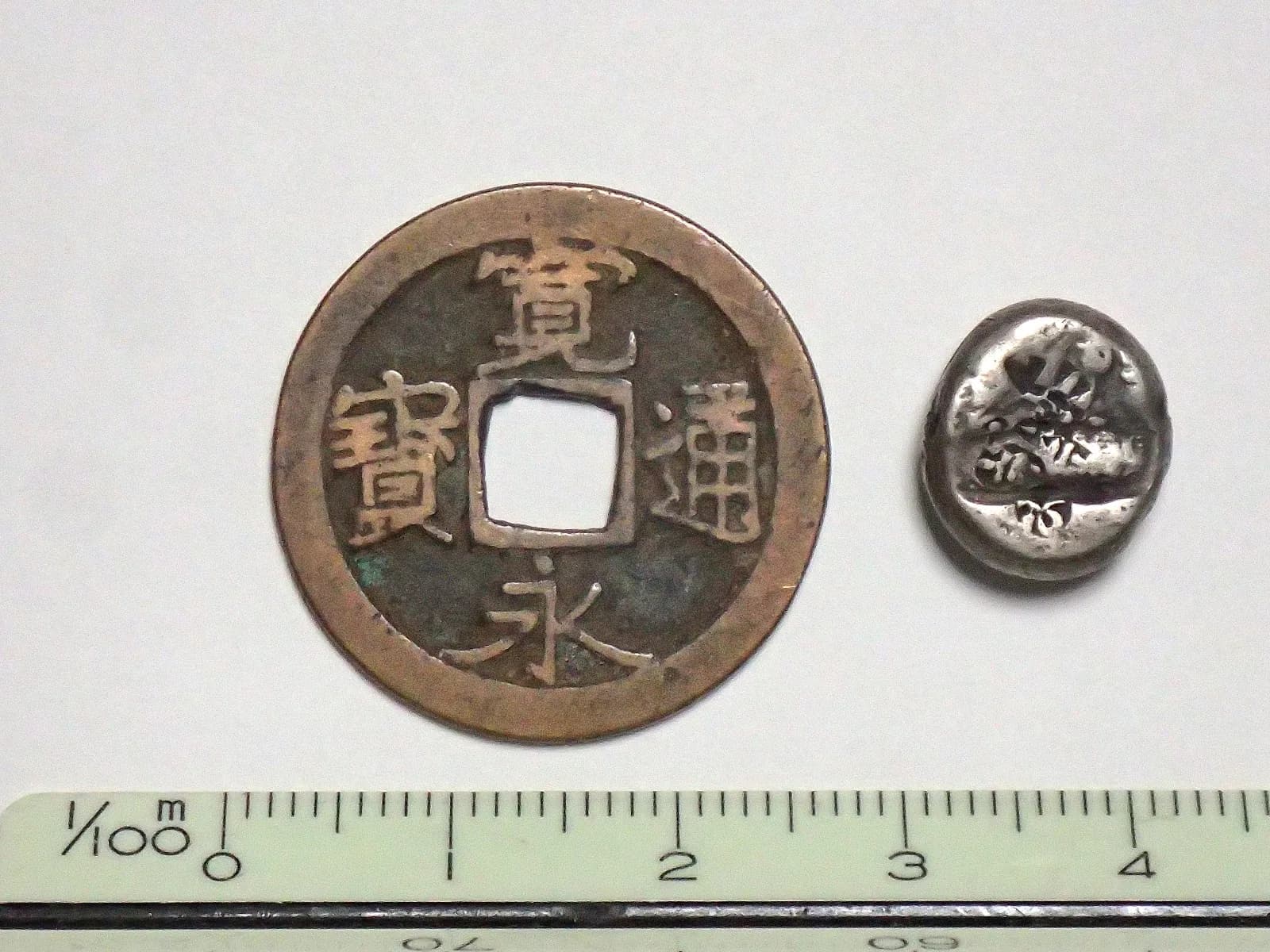
Mameitagin
Conclusion: Mameitagin is an accessible entry point for coin collecting, but rare "Gunun" varieties can be highly valuable. Developing an eye for authentication and understanding market value is crucial.
Modern
Overview of Modern Era Coinage
Conclusion: Japanese modern coinage, due to its rarity and international grading standards, represents an attractive option for long-term investment.
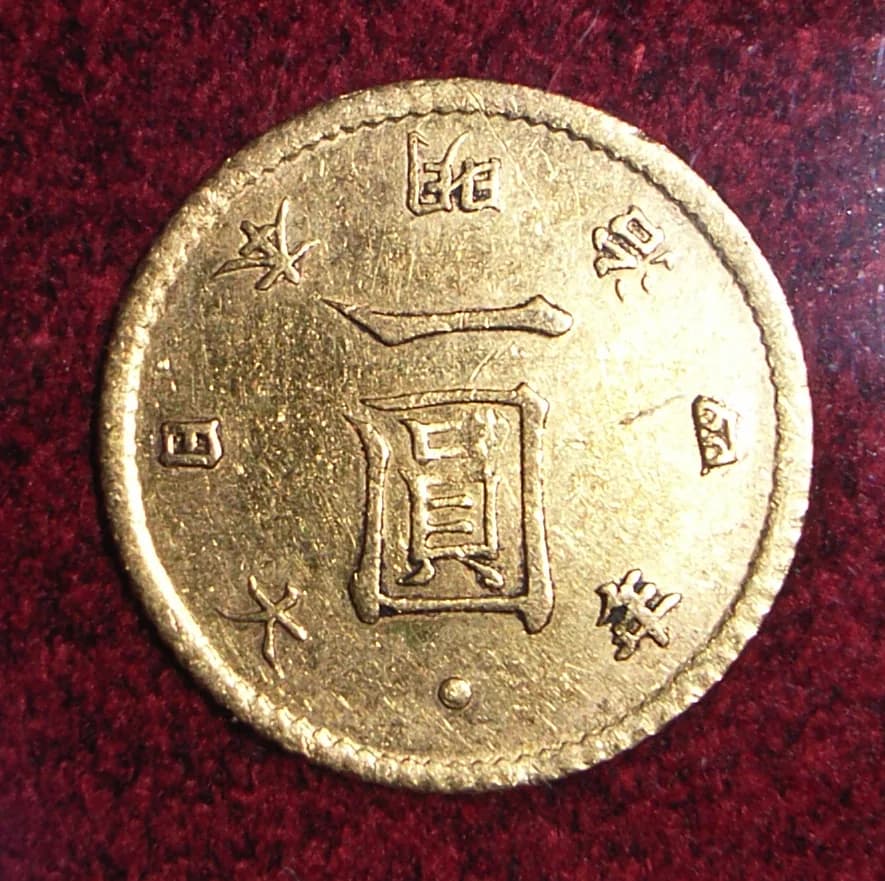
Meiji Gold Coins
Conclusion: Meiji Gold Coins represent a premier investment target from modern Japan, highly valued both domestically and internationally for their historical significance, exceptional artistry, rarity, and solid bullion value.
Taisho Silver Coins
Conclusion: Taisho silver coins offer investment potential in rare years; collecting high-grade items with historical context is recommended.
Commemorative
Tokyo Olympic Commemorative Coins
Conclusion: The 1964 Tokyo Olympic commemorative coins are a solid investment and collectible for beginners, backed by historical significance, stable demand, and material value.
Expo Commemorative Coins
Conclusion: Expo commemorative coins offer limited investment appeal but serve as cultural artifacts from the Showa era. With re-evaluation expected due to Expo 2025, they are suitable for long-term holding and series collecting.
60th Anniversary of Emperor's Reign Commemorative Coins
Conclusion: The 1986 Emperor Showa's 60th Anniversary 100,000 Yen Gold Coin is a stable asset of 20g pure gold; its investment value should be assessed in conjunction with gold prices, while being vigilant against counterfeits.
Old Banknotes
The World of Domain Notes
Conclusion: Domain notes are valuable historical materials reflecting regional economies, and collecting them requires balancing local history exploration with asset formation.
Domain Notes
Conclusion: Domain notes are a mirror reflecting regional economies and history, making them an attractive long-term collectible for local history enthusiasts.
Dajokan Notes
Conclusion: Dajokan Notes, reflecting the financial difficulties of the Meiji Restoration, hold high historical value, with well-preserved high-denomination notes being particularly rare.
Basics
Five Factors That Determine Coin Value
Conclusion: Coin value is determined by a combination of rarity, condition, provenance, material, and market supply/demand.
The Difference Between Investment and Collecting
Conclusion: "Investing" and "collecting" ancient coins differ in purpose and approach; a strategy aligned with one's interests and financial situation is key to success.
Fundamentals of Grading
Conclusion: Grading objectively measures coin value, serving as a crucial indicator for investment and collection decisions.