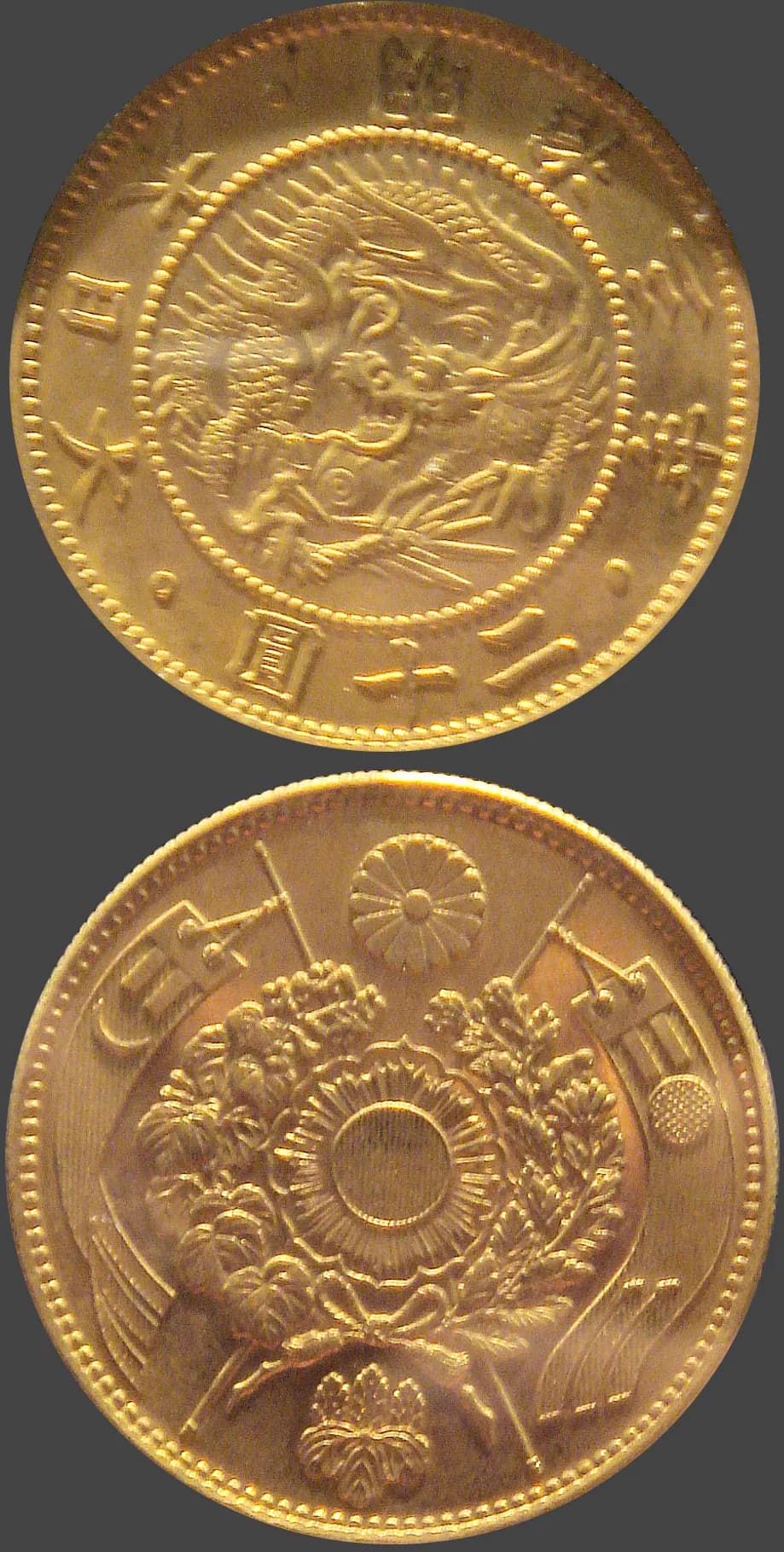
Image: Modern Japanese coinage / PHGCOM / Wikimedia Commons / CC BY-SA 3.0(source)
Spain's Pillar Dollar — Its Role as an International Currency in the Edo Period
History of Spanish Coins Influx with Nanban Trade into Japan
Subject coin: スペイン・ピラー銀貨の渡来
Overview
Between 1600 and 1800, Spain's 8 Reales silver coins, known as the 'Pillar Dollar', flowed into Edo-period Japan. These coins featured a design symbolizing the 'Pillars of Hercules' at the Strait of Gibraltar and played a crucial role as settlement currency in Nanban Trade and Shuin-sen Trade. These coins, entering mainly through Nagasaki and Hirado, were measured for weight and purity in Japan, valued as silver, and widely used among overseas traders and Nagasaki townspeople, indicating their stake in the international financial circulation of the era. This significantly impacted the economy and culture during the Edo period.
Specifications
- Denomination
- 8レアル
- Minting period
- 1600年〜1800年
- Metal composition
- 銀92.5%
- Weight
- 27.47g
- Dimensions
- 直径38mm
- Mintage
- 不詳(諸説あり)
- Mint supervisor
- 不詳
- Market price
- 20万円〜150万円(状態による)
Chapter 1: Nanban Trade and the Influx of Spanish Coins — The Role of Nagasaki and Hirado
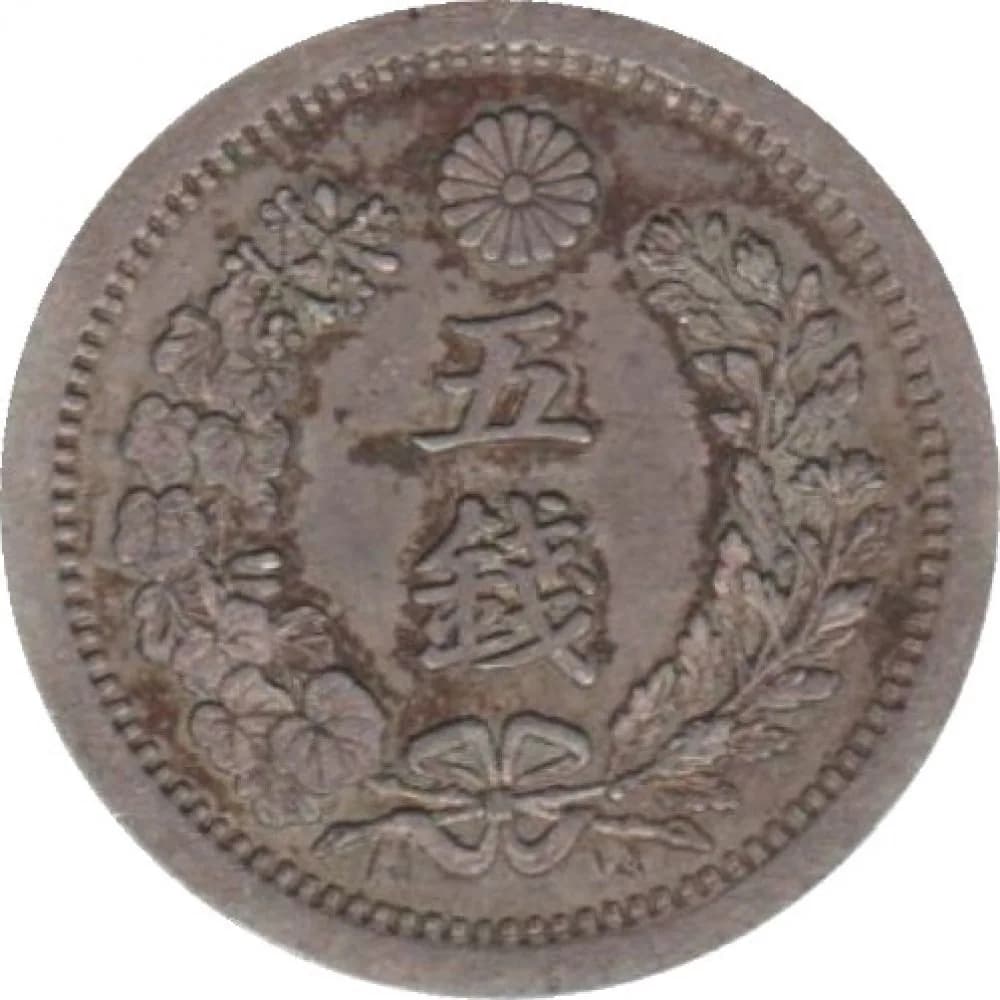
Image: Modern Japanese coinage / Coindesmonnaies / Wikimedia Commons / CC BY-SA 4.0(source)
From the late 16th to the early 17th century, Spain's 8 Reales silver coins were used extensively by traders as the main settlement medium in Japan's Nanban Trade. Despite the domestic turmoil caused by Toyotomi Hideyoshi's 1592 invasions of Korea, the unification under Tokugawa Ieyasu after Hideyoshi's death, and the establishment of the Tokugawa shogunate following victory at the Battle of Sekigahara in 1600, international trade revived. Nagasaki and Hirado functioned as major trading ports, facilitating the influx of Pillar Dollars through trade with Spain. In Nagasaki, the Nagasaki Magistrate, established in 1601, oversaw trade activities, playing a pivotal role as a trade hub.
The Pillar Dollar, known for its design featuring 'pillars' symbolizing the rocks of the Strait of Gibraltar, was highly valued domestically for its weight and purity. Similar to the Keicho Koban details, these coins were acknowledged for their international value, serving as essential settlement currency in Nanban Trade. Notably, in 1609, the establishment of a Dutch trading post in Hirado spurred increased trade with Europe and boosted the circulation of silver coins. The English also established a trading post in 1613 in Hirado, further expanding trade with Western nations. Consequently, the coins functioned beyond mere precious metal value, serving as a foundation for international financial transactions.
Additionally, these coins circulated widely among Nagasaki townspeople and overseas traders, playing a significant role in domestic commercial activities. The influx of silver coins greatly influenced Japan's economy, contributing to the development of a monetary economy in the later Edo period. Trade activities in Nagasaki and Hirado illustrate Japan's international engagement and flourished as trade centers.
Chapter 2: The Minting of Pillar Dollars and its Background — Spain's Imperial Ambitions
Image: Modern Japanese coinage / Coindesmonnaies / Wikimedia Commons / CC BY-SA 4.0(source)
The distinctive design of the Pillar Dollar symbolizes Spain's imperial ambitions. During the late 16th century, Spain, entering the Age of Exploration, mined massive amounts of silver from the Americas to mint coins. This silver was mainly sourced from the Potosí silver mine in present-day Bolivia, known as the world's largest silver mine. As a result, Spain became a global financial powerhouse, and the 8 Reales silver coin was known as the 'Dollar'. The coin's surface featured the 'Pillars of Hercules', symbolizing the rocks of the Strait of Gibraltar, and the phrase 'Plus Ultra', expressing Spain's expansionism. Primarily minted in Seville, Spain, and Mexico City, the core of Spanish America, the silver maintained a high purity of 92.5%. Due to this high purity and elaborate design, the Pillar Dollar was widely accepted in Asian and European markets as a reliable currency. In Japan, it served as settlement currency in Nanban Trade and Shuin-sen Trade, recognized for its intrinsic silver value. Records note these coins' circulation among overseas traders and Nagasaki townspeople, impacting domestic silver circulation due to their weight and purity assessments. Similar to the Edo Gold Coins types and identification, Pillar Dollars deeply embedded into Japan's monetary economy.
Chapter 3: Circulation in Japan and Economic Impact — Changes in Common Life and Trade
Image: Modern Japanese coinage / Coindesmonnaies / Wikimedia Commons / CC BY-SA 4.0(source)
As Pillar Dollars began circulating widely within Japan, their impact spread throughout the economy. During the early Edo period, silver coin circulation facilitated smooth commercial transactions and was favored by merchants. In trades conducted in Nagasaki and Hirado, Pillar Dollars were valued based on their weight and purity and valued according to domestic silver market rates. This circulation pattern can be compared to Koban types and market. Pillar Dollars also affected common life, with commodities like rice and cloth being priced and settled in silver coins, promoting market economy development. For example, records from the 1650s indicate a koku of rice was traded for about 1 ryō, and silver coin circulation contributed to rice price stability. Moreover, Edo-period merchants used silver coins for long-distance transactions, activating domestic distribution networks. This development spurred commercial growth in regional cities and contributed to regional economic revitalization. However, as silver values rose, settling in silver coins occasionally became challenging. This issue was pronounced during silver shortages in the late 18th century, with merchants struggling to adjust exchange rates with gold and copper coins, sometimes destabilizing prices. The Nagasaki Magistrate sought to control the silver coin circulation and explore policies to maintain stable trade.
Chapter 4: Impact on Later Periods and Evaluation — Historical Significance of Pillar Dollars
Image: Modern Japanese coinage / Coindesmonnaies / Wikimedia Commons / CC BY-SA 4.0(source)
Pillar Dollars significantly influenced Japan's subsequent monetary system. Throughout the Edo period, silver coins functioned as a cornerstone of international trade and shaped domestic fiscal policies. For instance, the shogunate periodically adjusted silver coin circulation and conducted recoinage for economic stability, using Pillar Dollars as a benchmark. Initially minted under Spain's Habsburg rule in the mid-16th century, the 8 Reales silver coin became widely known as the 'Spanish Dollar', establishing itself as an international currency. The Pillar Dollar's design—symbolizing the rocks of the Strait of Gibraltar—highlighted Spain's territorial expansion and the importance of maritime trade. In the 19th century, during the end of Japan's isolation and the reintroduction of foreign currencies, the memory of Pillar Dollars persisted. Due to vibrant Nanban and Shuin-sen Trades in regions like Nagasaki and Hirado, their circulation is documented, and their weight and purity were accurately measured and valued as silver in Japan. Today, Pillar Dollars are highly valued collector items with historical significance. They are popular in auctions and can fetch high prices depending on condition. Understanding Basics of Coin Auctions provides deeper insight into their value. In Japanese numismatic history, Pillar Dollars are appreciated beyond mere currency, symbolizing international economic exchange and continuing to hold lasting esteem. The shogunate and domains prioritized silver coins in fiscal policies due to their credible standing as international currency.
Value & Rarity
The market value of Pillar Dollars varies greatly depending on condition and historical background. In good preservation, they may trade between 200,000 and 1,500,000 yen. Particularly, those with clear original designs see increased value. Historically, as coins symbolizing Edo-period international trade, they are popular among collectors. With a silver purity of 92.5%, their value as a precious metal is significant. Consequently, Pillar Dollars are noted not only as old coins but also as investment targets. Their rarity is considered high, especially those from the Nanban Trade era are valued highly. Accurately evaluating their condition requires reference to Coin Grading Standards.
Conclusion
Spain's Pillar Dollars hold significant historical importance as symbols of international trade in Edo-period Japan. These silver coins, which entered through the Nanban Trade, greatly influenced the domestic economy and impacted subsequent monetary systems. Even today, their historical value and rarity are cherished by many collectors. As part of history, these coins possess charm beyond mere currency, and their value will remain unfaded in the future. Studying the history of Spain's Pillar Dollars enables a deeper understanding of Edo-period international exchange and reaffirms their importance in Japan's monetary history.
Related Stories
Ansei Chōgin — The Final Edo Era Silver Bullion Coin amidst the Turbulence of the Bakumatsu
A Short-lived yet Historical Silver Bullion Created Amidst the Turmoil of Opening Japan
Coin StoryAnsei Nibus Gin — A Silver Coin Born Amidst Port Opening and Fiscal Crisis
The Role of Subsidiary Silver Coins Issued in the Turbulent Closing Years of the Edo Period
Coin StoryBunkyū Eiho and the End of the Gold Coin System — Tracing the History of Edo Gold Coins
Bunkyū 2 (1862) marks the final currency reform of the shogunate, with a gold coin series issued alongside the Bunkyū Eiho (copper coins) as a symbol of late shogunate monetary chaos
Dealers
Dealers Handling This Category
A reference when considering a sale or appraisal. All are dealers and auction houses with a proven track record.
Japan Coin Auction (JCA)
Tokyo
Holds regular auctions with reliable hammer price data, making it a useful resource for tracking market values. Caters to a wide range of collectors from beginners to advanced buyers.
Ginza Coins
Ginza, Chuo-ku, Tokyo
One of Japan's most established numismatic dealers. The scale and variety of their regular auctions is among the largest in the country. Their catalogs are considered a benchmark for market pricing.
Osaka Numismatic Auction
Osaka
A Kansai-based coin auction house with particular strength in regional and hole coins.