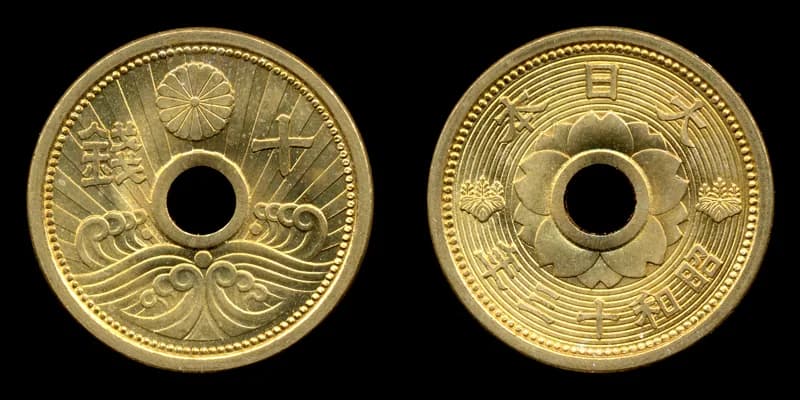
Image: Modern Japanese coinage / As6673 / Wikimedia Commons / CC BY-SA 3.0(source)
Bunkyū Eiho and the End of the Gold Coin System — Tracing the History of Edo Gold Coins
Bunkyū 2 (1862) marks the final currency reform of the shogunate, with a gold coin series issued alongside the Bunkyū Eiho (copper coins) as a symbol of late shogunate monetary chaos
Subject coin: 文久永宝と金貨体制の終焉
Overview
The end of the Bunkyū Eiho and the gold coin system is an indispensable piece when recounting the monetary history of Japan from 1862-1868. Bunkyū 2 (1862) marks the final currency reform of the shogunate. The gold coin series issued alongside the Bunkyū Eiho (copper coins) symbolizes the monetary chaos at the end of the shogunate. This article will trace the story of the Bunkyū Eiho as Edo gold coins and the end of the gold coin system, following historical facts from the context of its time, coin minting technology, the reality of its circulation, and its subsequent impact. By understanding the historical context carried by these coins, often invisible from merely market numbers, one’s appreciation of their value can dramatically change. The history of Japanese currency starts with the cast Wadōkaichin in the Nara period, extends through the diverse gold and silver coins of the Edo period, and passes onto modern currency in the Meiji era. For those wanting to cover the basics, refer to Types and Identification of Edo Gold Coins and Types and Market Values of Koban Coins.
Specifications
- Denomination
- —
- Minting period
- 1862-1868
- Metal composition
- —
- Weight
- —
- Dimensions
- —
- Mintage
- 不詳(諸説あり)
- Mint supervisor
- 不詳
- Market price
- 状態により変動(落札履歴を参照)
The Era that Gave Birth to Bunkyū Eiho and the End of the Gold Coin System — Context of Minting
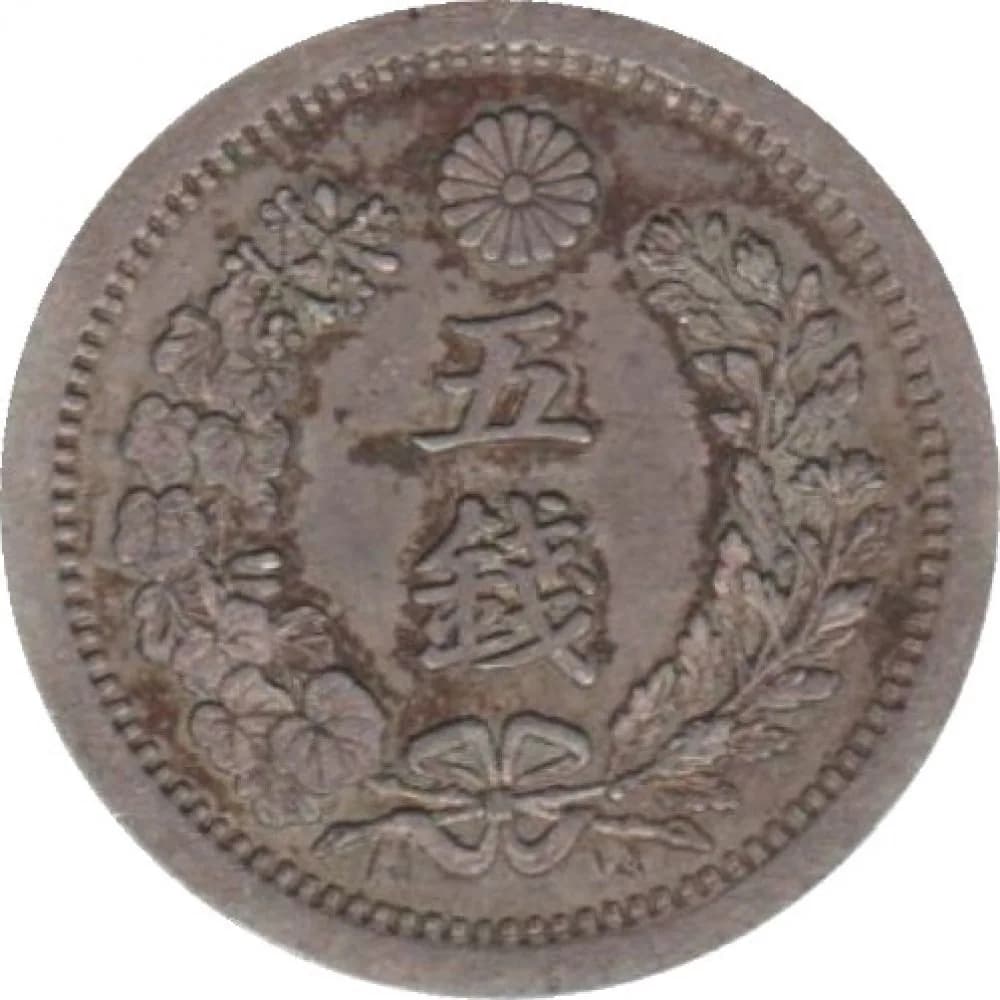
Image: Modern Japanese coinage / Coindesmonnaies / Wikimedia Commons / CC BY-SA 4.0(source)
The context in which Bunkyū Eiho and the end of the gold coin system emerged is deeply tied to the political and economic conditions of that time. Edo gold coins were minted as a response to financial and circulation challenges faced by rulers and were born out of the needs of society at that time. Let us begin by understanding the era's circumstances and why these coins were necessary. The issuance of Bunkyū gold and silver coins in Bunkyū 2 (1862) is essential for understanding the historical positioning of these coins. The de facto end of the shogunate gold coin system with the Taisei Hōkan in Keio 3 (1867) is also crucial for understanding their historical placement. Refer to Check Auction Prices for Old Coins to deepen understanding. When considering the prices and systems of the minting era, it becomes clear that even coins with the same name can have significantly different meanings depending on the issuance period. Existing specimens become rarer with the passage of time as they wear and oxidize, increasing their rarity when in mint condition over time. Market evaluations are determined by a combination of rarity, preservation state, and collector demand, with no single factor solely explaining pricing.
How Bunkyū Eiho and the End of the Gold Coin System were Made — Material and Technology
Image: Modern Japanese coinage / Coindesmonnaies / Wikimedia Commons / CC BY-SA 4.0(source)
The material and manufacturing of Bunkyū Eiho and the end of the gold coin system are indispensable in discussing their value. Edo gold coins clearly reflect the craftsmanship of the workers in the alloy mixture and final finish, which directly ties to modern evaluations. By tracing the careful selection of materials and production processes, one can see the accumulation of technology instilled in a single piece. The further reduction of gold purity (retaining the 57% purity of the Man'en Koban) is crucial for understanding the historical significance of these coins. Refer to Check Price Trends on Market Chart for further understanding. Existing specimens become rarer with the passage of time as they wear and oxidize, increasing their rarity when in mint condition over time. Market evaluations are determined by a combination of rarity, preservation state, and collector demand, with no single factor solely explaining pricing. Mastering the basics like letter style, alloy color, dimensions, and weight is the first step in distinguishing authenticity and genealogy. Learning the historical background allows one to sense the cultural depth unique to the currency that cannot be measured by market numbers alone.
Bunkyū Eiho and the End of the Gold Coin System in People's Lives — Circulation and Economy
Image: Modern Japanese coinage / Coindesmonnaies / Wikimedia Commons / CC BY-SA 4.0(source)
Bunkyū Eiho and the end of the gold coin system, once issued, circulated from hand to hand in people’s everyday lives. Understanding how Edo gold coins circulated in the market and impacted prices and trades is core to understanding monetary history. By examining the economy's movements at the time and common people's reactions, one can decipher the role this currency played. The unstoppable outflow of gold due to trade with the West and the resulting deterioration of shogunate finances is also crucial for understanding their historical placement. Refer to Standards of Grading Old Coins for further understanding. Market evaluations are determined by a combination of rarity, preservation state, and collector demand, with no single factor solely explaining pricing. Mastering the basics like letter style, alloy color, dimensions, and weight is the first step in distinguishing authenticity and genealogy. Learning the historical background allows one to sense the cultural depth unique to the currency that cannot be measured by market numbers alone. Through continued collecting, knowledge of the era's background and minting circumstances of each denomination will tangibly grow interconnectedly and three-dimensionally. A piece of old coinage is a document reflecting the period's economic policy and people's lives; understanding its background changes how one perceives its value.
What Bunkyū Eiho and the End of the Gold Coin System Left Behind — Impact on Posterity
Image: Modern Japanese coinage / Coindesmonnaies / Wikimedia Commons / CC BY-SA 4.0(source)
Bunkyū Eiho and the end of the gold coin system left their mark, even after the era concluded, on subsequent currencies and the history of collection. Reviewing how Edo gold coins are positioned among recoinage, abolition, and succession, and how they are evaluated today, enhances understanding of their significance. Considering the meaning a past piece holds in today’s market improves the precision of value judgment. The influx of foreign gold coins (such as Mexican dollars) causing confusion in value standards is crucial for understanding their historical placement. Refer to Monitor Prices of Coins of Interest in Vault for further understanding. Mastering the basics like letter style, alloy color, dimensions, and weight is the first step in distinguishing authenticity and genealogy. Learning the historical background allows one to sense the cultural depth unique to the currency that cannot be measured by market numbers alone. Through continued collecting, knowledge of the era's background and minting circumstances of each denomination will tangibly grow interconnectedly and three-dimensionally. A piece of old coinage is a document reflecting the period's economic policy and people's lives; understanding its background changes how one perceives its value. Considering the prices and systems of the minting era shows that even coins of the same name can have significantly different meanings depending on the issuance period.
Value & Rarity
The market value of Bunkyū Eiho and the end of the gold coin system is determined by rarity, preservation state (grade), and collector popularity. Even among Edo gold coins, prices can vary from several to dozens of times depending on minting period, differences in script, and whether they are nearly unused. The rarer the denomination with limited existing numbers, the fewer the chances it appears in the market, and well-preserved pieces gain rarity as time progresses. When analyzing the market, confirming actual auctioned prices rather than proposed prices across multiple examples is prudent. The latest price movements can be checked at Monitor Prices of Coins of Interest in Vault. Market evaluations are determined by a combination of rarity, preservation state, and collector demand, with no single factor solely explaining pricing. Mastering the basics like letter style, alloy color, dimensions, and weight is the first step in distinguishing authenticity and genealogy.
Conclusion
Bunkyū Eiho and the end of the gold coin system were born out of the needs of the era from 1862-1868, played their role in people’s lives, and left footprints for posterity. Learning the history behind a currency provides a genuine discerning eye that cannot be obtained from market numbers alone. For those interested in Edo gold coins, it is recommended to gradually develop one’s judgment axis by patiently comparing multiple transaction data.
Related Stories
Ansei Chōgin — The Final Edo Era Silver Bullion Coin amidst the Turbulence of the Bakumatsu
A Short-lived yet Historical Silver Bullion Created Amidst the Turmoil of Opening Japan
Coin StoryTwo-System of Chōgin and Mameitagin — Tracing the History of Edo Silver Coins
Edo silver coins were always circulated as a set of 'Chōgin (丁銀, Large)' and 'Mameitagin (豆板銀, Small)'. Why was this peculiar two-system created?
Coin StoryThe Window of the Closed Country, Ripples of Silver — How VOC Coins Transformed Japan's Economic Map
A Collision of Foreign Silver and Japanese Wealth on Dejima, Nagasaki
Related Encyclopedia Entries
System and Overview of Edo Gold Coins
Conclusion: Edo gold coins are a stable and attractive investment/collection target, combining historical background, intrinsic gold value, and collector's premium.
EncyclopediaTypes and Evolution of Koban
Conclusion: Koban reflects the transitions of the Edo economy; understanding each type's characteristics and market value is crucial for purposeful collection and investment strategies.
EncyclopediaKeicho Koban
Conclusion: Keicho Koban is the first high-purity gold coin of the Edo Shogunate, representing the pinnacle of collection with both historical value and investment appeal.
Dealers
Dealers Handling This Category
A reference when considering a sale or appraisal. All are dealers and auction houses with a proven track record.
Ginza Coins
Ginza, Chuo-ku, Tokyo
One of Japan's most established numismatic dealers. The scale and variety of their regular auctions is among the largest in the country. Their catalogs are considered a benchmark for market pricing.
Japan Coin Auction (JCA)
Tokyo
Holds regular auctions with reliable hammer price data, making it a useful resource for tracking market values. Caters to a wide range of collectors from beginners to advanced buyers.
Taisei Coins
Tokyo
A dealer with an international network. Offers advanced services such as consignment to overseas auctions and NGC/PCGS grading submission. Recommended for high-value or internationally recognized coins.