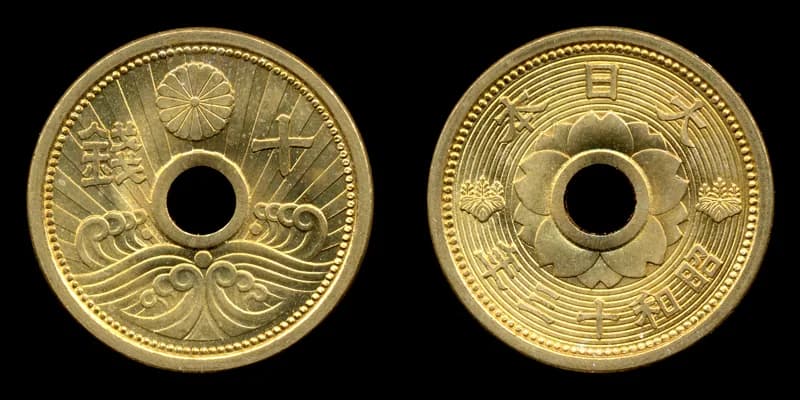
Image: Modern Japanese coinage / As6673 / Wikimedia Commons / CC BY-SA 3.0(source)
Shōtoku Koban — Edo Gold Coin History
The high-quality koban born from Arai Hakuseki's 'justice'. Although restoring the quality to the Keichō standard was ideal, it was retracted just two years after circulation.
Subject coin: 正徳小判
Overview
The Shōtoku Koban is an indispensable piece in discussing Japan's currency history from 1714-1716. Created through Arai Hakuseki's 'justice,' this high-quality koban aimed to restore the quality to the Keichō standard, but was retracted from circulation just two years after being issued. This article traces the Shōtoku Koban as an Edo gold coin, from the background of its era to its minting techniques, circulation realities, and its impact on future generations, staying rooted in historical facts. By understanding the historical context borne by this coin, invisible from mere market numbers, the perception of its value is bound to change significantly. The history of Japan's currency began with the Wado Kaichin minted in the Nara period, passed through the diverse gold and silver coins of the Edo period, and transitioned into modern currency in the Meiji period. Those looking for foundational knowledge may also refer to Types and Identification of Edo Gold Coins and Types and Market Prices of Koban.
Specifications
- Denomination
- —
- Minting period
- 1714-1716
- Metal composition
- —
- Weight
- —
- Dimensions
- —
- Mintage
- 不詳(諸説あり)
- Mint supervisor
- 不詳
- Market price
- 状態により変動(落札履歴を参照)
The Era When Shōtoku Koban Was Born — Background of Minting
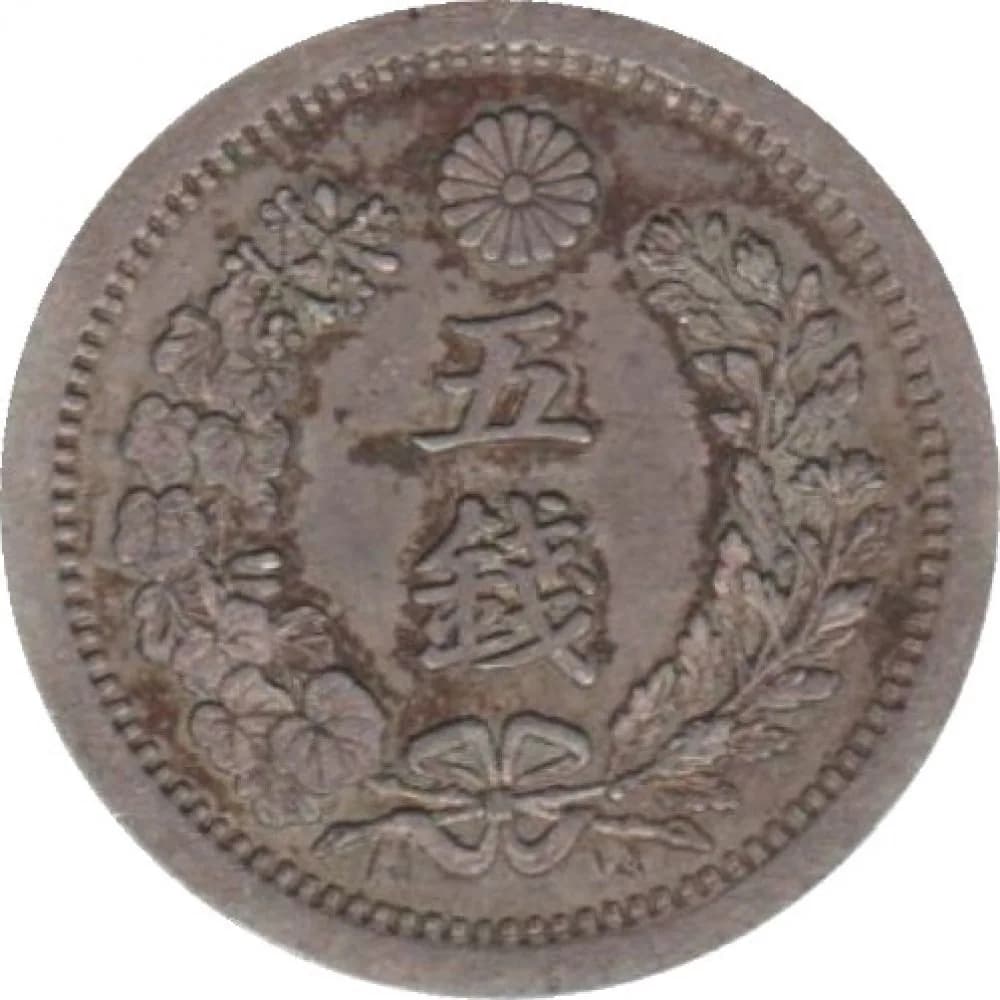
Image: Modern Japanese coinage / Coindesmonnaies / Wikimedia Commons / CC BY-SA 4.0(source)
The background to the emergence of the Shōtoku Koban is deeply intertwined with the political and economic circumstances of its time. Edo gold coins were minted in response to the financial and distribution challenges faced by the rulers, born out of the necessities of society. We first examine the starting point of why this currency was necessary under its contemporary conditions. The fact that minting began in Shōtoku 4 (1714) is essential for understanding the historical positioning of this coin. Minted for only two years before being abolished—this fact, combined with its scarcity today and popularity among collectors, is indispensable for understanding its historical position. Referring to Check Auction Prices for Old Coins can further deepen one's understanding. Considering the prices and systems of the era when it was minted, it's evident that coins with the same name can hold vastly different meanings depending on the period of issuance. As the existing specimens erode and oxidize over time, those that have maintained their initial mint condition become increasingly rare as time advances. The market evaluation is determined by a combination of scarcity, preservation state, and collector popularity, impossible to explain by just one factor alone.
How Shōtoku Koban Was Made — Materials and Techniques
Image: Modern Japanese coinage / Coindesmonnaies / Wikimedia Commons / CC BY-SA 4.0(source)
In discussing the value of the Shōtoku Koban, the materials and manufacturing techniques used in minting cannot be overlooked. Edo gold coins prominently display the craftsmanship of the period's artisans in their alloy compositions and finishing techniques, directly impacting modern evaluations. Carefully retracing the choice of materials and production processes unveils the accumulated skills embedded in each piece. The fact of gold purity at 84.29%—restoration to Keichō Koban standards (Arai Hakuseki’s economic revival policy) is crucial in understanding the historical positioning of this coin. Referring to Check Price Trends with Market Charts can further deepen one's understanding. As the existing specimens erode and oxidize over time, those that have maintained their initial mint condition become increasingly rare as time advances. The market evaluation is determined by a combination of scarcity, preservation state, and collector popularity, impossible to explain by just one factor alone. Recognizing the font styles, metal color, dimensions, and weight amount is the first step in distinguishing authenticity and lineage. By learning the historical background, one can feel the cultural depth unique to these coins, which mere market numbers cannot measure.
The Lives of People and Shōtoku Koban — Circulation and Economy
Image: Modern Japanese coinage / Coindesmonnaies / Wikimedia Commons / CC BY-SA 4.0(source)
After being issued, the Shōtoku Koban was handed from person to person and used in daily life. How Edo gold coins circulated in the market and affected prices and transactions is core to understanding currency history. Unravel the role this coin played through the economic movements of the time and the reactions of the common people. The fact of weight at 16.40g is essential for understanding the historical positioning of this coin. Referring to Grading Standards for Old Coins can further deepen one's understanding. The market evaluation is determined by a combination of scarcity, preservation state, and collector popularity, impossible to explain by just one factor alone. Recognizing the font styles, metal color, dimensions, and weight amount is the first step in distinguishing authenticity and lineage. By learning the historical background, one can feel the cultural depth unique to these coins, which mere market numbers cannot measure. As one continues to collect, the historical contexts and minting circumstances related to different denominations become interlinked, developing into three-dimensional knowledge. A single old coin is a document reflecting the economic policies of its era and the lives of its people, with the perception of value changing as one becomes more familiar with the background.
What Shōtoku Koban Left Behind — Impact on Later Generations
Image: Modern Japanese coinage / Coindesmonnaies / Wikimedia Commons / CC BY-SA 4.0(source)
The Shōtoku Koban, even after its era ended, left its mark on succeeding currencies and the history of collection. Reflect on how Edo gold coins were positioned amid re-minting, abolition, and succession, and how they are evaluated today. Contemplating what past coins mean in today's market enhances the accuracy of one's value judgments. The fact that circulation ceased when Tokugawa Yoshimune assumed the shogunate in Kyōhō 1 (1716) is essential for understanding the historical positioning of this coin. Referring to Monitor Coin Prices of Interest in Vault can further deepen one's understanding. Recognizing the font styles, metal color, dimensions, and weight amount is the first step in distinguishing authenticity and lineage. By learning the historical background, one can feel the cultural depth unique to these coins, which mere market numbers cannot measure. As one continues to collect, the historical contexts and minting circumstances related to different denominations become interlinked, developing into three-dimensional knowledge. A single old coin is a document reflecting the economic policies of its era and the lives of its people, with the perception of value changing as one becomes more familiar with the background. Considering the prices and systems of the era when it was minted, it's evident that coins with the same name can hold vastly different meanings depending on the period of issuance.
Value & Rarity
The market value of the Shōtoku Koban is determined by three factors: scarcity, preservation state (grade), and collector popularity. Even among Edo gold coins, prices can vary from several to several tens of times based on minting period and font differences, or whether the condition is close to unused. Brands with limited existing numbers seldom appear on the market, and well-preserved specimens increasingly enhance their rarity with each passing year. When reading market trends, it is prudent to verify actual auction prices achieved through several instances, rather than just listing prices. The latest price movements can be tracked via Monitor Coin Prices of Interest in Vault. Market evaluation is determined by a combination of scarcity, preservation state, and collector popularity, impossible to explain by just one factor alone. Recognizing the font styles, metal color, dimensions, and weight amount is the first step in distinguishing authenticity and lineage.
Conclusion
The Shōtoku Koban was born out of necessity during the period from 1714-1716, played a role in people’s lives, and made its mark on future generations. Understanding the history behind a single coin cultivates a discerning eye that cannot be acquired from mere market numbers. For those interested in Edo gold coins, it is recommended to patiently review multiple transaction data and gradually nurture one’s judgment criteria.
Related Stories
Ansei Chōgin — The Final Edo Era Silver Bullion Coin amidst the Turbulence of the Bakumatsu
A Short-lived yet Historical Silver Bullion Created Amidst the Turmoil of Opening Japan
Coin StoryAnsei Nibus Gin — A Silver Coin Born Amidst Port Opening and Fiscal Crisis
The Role of Subsidiary Silver Coins Issued in the Turbulent Closing Years of the Edo Period
Coin StoryBunkyū Eiho and the End of the Gold Coin System — Tracing the History of Edo Gold Coins
Bunkyū 2 (1862) marks the final currency reform of the shogunate, with a gold coin series issued alongside the Bunkyū Eiho (copper coins) as a symbol of late shogunate monetary chaos
Related Encyclopedia Entries
System and Overview of Edo Gold Coins
Conclusion: Edo gold coins are a stable and attractive investment/collection target, combining historical background, intrinsic gold value, and collector's premium.
EncyclopediaTypes and Evolution of Koban
Conclusion: Koban reflects the transitions of the Edo economy; understanding each type's characteristics and market value is crucial for purposeful collection and investment strategies.
EncyclopediaKeicho Koban
Conclusion: Keicho Koban is the first high-purity gold coin of the Edo Shogunate, representing the pinnacle of collection with both historical value and investment appeal.
Dealers
Dealers Handling This Category
A reference when considering a sale or appraisal. All are dealers and auction houses with a proven track record.
Ginza Coins
Ginza, Chuo-ku, Tokyo
One of Japan's most established numismatic dealers. The scale and variety of their regular auctions is among the largest in the country. Their catalogs are considered a benchmark for market pricing.
Japan Coin Auction (JCA)
Tokyo
Holds regular auctions with reliable hammer price data, making it a useful resource for tracking market values. Caters to a wide range of collectors from beginners to advanced buyers.
Taisei Coins
Tokyo
A dealer with an international network. Offers advanced services such as consignment to overseas auctions and NGC/PCGS grading submission. Recommended for high-value or internationally recognized coins.