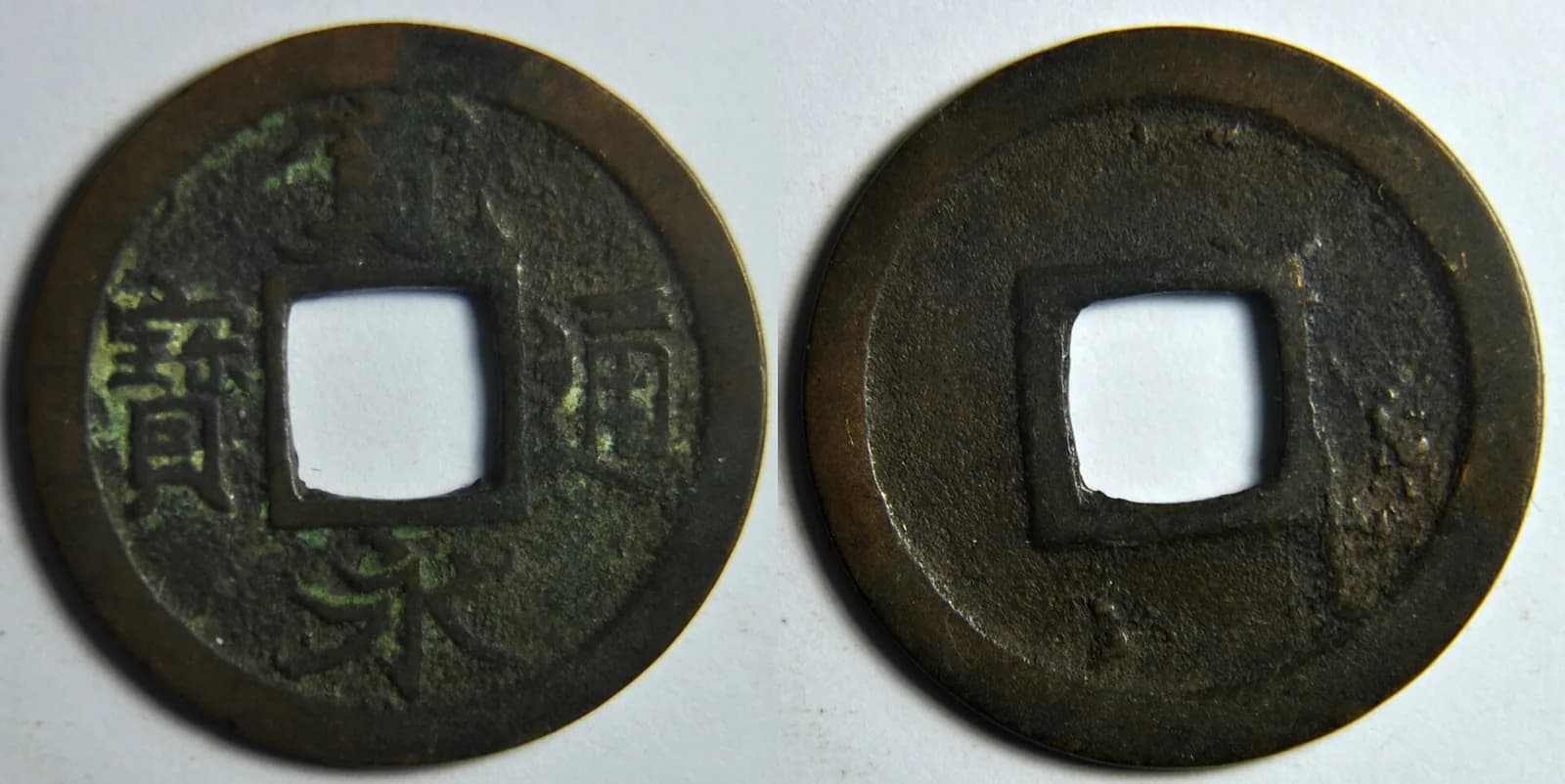
Image: Japanese holed coins (square-holed cash coins) / Jean-Michel Moullec from Vern sur Seiche (35, Bretagne), France / Wikimedia Commons / CC BY 2.0(source)
The Diversification of Coinage During the Sengoku Period — Tracing the History of Medieval Coinage
Each Sengoku Daimyo Had Their Own Monetary Policies. Nobunaga's Rakuichi Rakuza, Takeda's Kōshūkin — The Panorama of Coins on the Eve of Unification
Subject coin: 戦国期の貨幣多様化
Overview
The diversification of coinage during the Sengoku period is an essential chapter in the history of Japanese coinage from 1467-1590. Each Sengoku daimyo had their own monetary policies. Nobunaga's Rakuichi Rakuza, Takeda's Kōshūkin — the panorama of coins on the eve of unification. In this article, we trace the diversification of coinage during the Sengoku period as medieval coinage, from the background of its birth, the technology of minting, the reality of circulation, to its impact on later generations, according to historical facts. Understanding the historical context behind these coins, which can't be seen just through market numbers, will greatly change how one perceives their value. The history of Japanese coinage began with the Wado Kaichin minted during the Nara period, passed through the diverse gold and silver coins of the Edo period, and continued into modern coinage in the Meiji period. For those who wish to cover the basics, please also check The Value and Identification of Modern Coins or An Overview of Coins During the Meiji Period.
Specifications
- Denomination
- —
- Minting period
- 1467-1590
- Metal composition
- —
- Weight
- —
- Dimensions
- —
- Mintage
- 不詳(諸説あり)
- Mint supervisor
- 不詳
- Market price
- 状態により変動(落札履歴を参照)
The Era When the Diversification of Coinage During the Sengoku Period Was Born — The Background of Minting
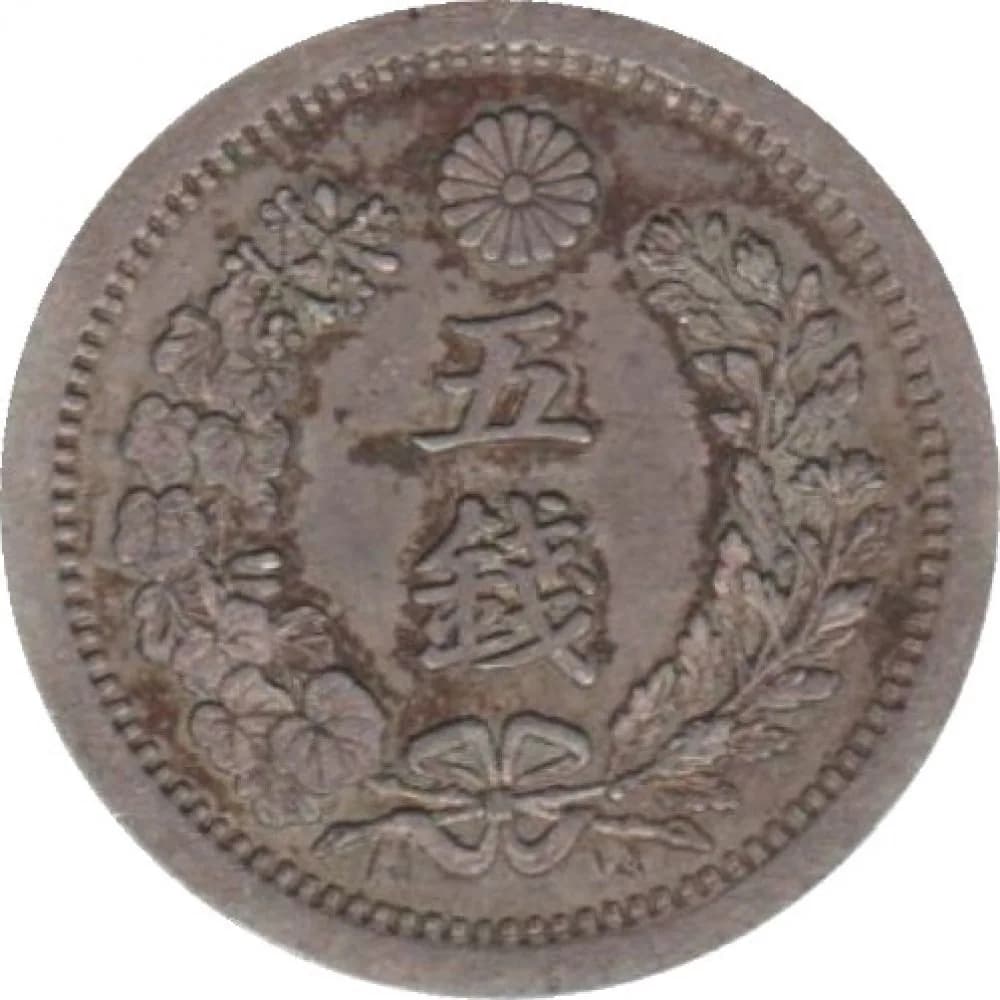
Image: Modern Japanese coinage / Coindesmonnaies / Wikimedia Commons / CC BY-SA 4.0(source)
The background against which the diversification of coinage during the Sengoku period emerged is deeply connected to the political and economic circumstances of that era. Medieval coinage was minted as a response to the fiscal and distribution challenges faced by the rulers and was born from the needs of society at the time. First, we will look at the starting point of why this coinage was needed under what circumstances. The fact that different combinations of coins, gold, and silver were used in each daimyo domain is essential to understanding the historical position of this coinage. In the Kantō and Tōkai regions, the Eiraku Tsuuhō series was influential, whereas in the Kinki and western regions, the Sòng coins were prominent—a historical fact essential to understanding this coinage. Also, refer to Check Auction Prices of Old Coins for a deeper understanding. Considering the prices and systems of the time when they were minted, it becomes clear that the same coin name can have vastly different significance depending on the period of issuance. As existing specimens wear and oxidize over time, specimens that retain the state of when they were minted become increasingly rare as time goes on. The evaluation in the market is determined by the interweaving of three axes: rarity, preservation state, and collector popularity. No single factor can explain their price.
How the Diversification of Coinage During the Sengoku Period Was Made — Materials and Technology
Image: Modern Japanese coinage / Coindesmonnaies / Wikimedia Commons / CC BY-SA 4.0(source)
In discussing the value of the diversification of coinage during the Sengoku period, the materials used in minting and the manufacturing method are indispensable. Medieval coinage bears the handiwork of artisans of the time in the mixture of metals and the finishing techniques, which directly connects to its modern evaluation. By carefully tracing the selection of materials and the manufacturing process, one can see the accumulation of skills embedded in each coin. Takeda Shingen established the 'Kōshūkin' system through gold mining development—a fact essential to understanding the historical placement of this coinage. For a deeper understanding, also refer to Check Price Trends with Market Charts. As existing specimens wear and oxidize over time, specimens that retain the state of when they were minted become increasingly rare as time goes on. Evaluation in the market is determined by the interweaving of three axes: rarity, preservation state, and collector popularity. No single factor can explain their price. Grasping the basics such as the script style, color tone of the metal, dimensions, and weight is the first step in discerning authenticity and lineage. By learning the historical background, you can sense the cultural depth unique to the coin that cannot be measured by market numbers alone. As you continue collecting, the historical background and minting circumstances of each brand connect organically, and your knowledge grows three-dimensionally.
The Diversification of Coinage During the Sengoku Period and People's Lives — Circulation and Economy
Image: Modern Japanese coinage / Coindesmonnaies / Wikimedia Commons / CC BY-SA 4.0(source)
The diversification of coinage during the Sengoku period, once issued, was actually passed from hand to hand and used in everyday life. How medieval coinage circulated in the market and what impact it had on prices and transactions is the core of understanding coin history. By examining the movement of the economy at the time and the responses of the common people, the role this coinage played is deciphered. Oda Nobunaga removed barriers to coin circulation with Rakuichi Rakuza—a historical fact essential to understanding the position of this coinage. For a deeper understanding, refer to Standards for Classic Coin Grading. Evaluation in the market is determined by the interweaving of three axes: rarity, preservation state, and collector popularity. No single factor explains their price. Grasping the basics such as the script style, color tone of the metal, dimensions, and weight is the first step in discerning authenticity and lineage. Learning the historical background allows you to feel the cultural depth unique to the coin that cannot be measured by market numbers alone. As you continue collecting, the historical background and minting circumstances of each brand connect organically, and your knowledge grows three-dimensionally. An old coin reflects the economic policy and people's lives at the time, and understanding the background changes how its value is perceived.
What the Diversification of Coinage During the Sengoku Period Left Behind — Influence on Later Generations
Image: Modern Japanese coinage / Coindesmonnaies / Wikimedia Commons / CC BY-SA 4.0(source)
The diversification of coinage during the Sengoku period left an impact on successor coins and the history of collecting even after the era ended. Looking back on how medieval coinage was positioned amidst reforms, abolition, and succession, and how it is evaluated today, raises the accuracy of value judgment by considering what past coins mean in today's market. Toyotomi Hideyoshi attempted unification with the Tenshō Ōban and Tenshō Tsūhō—a historical fact essential to understanding the positioning of this coinage. For a deeper understanding, see Price Monitoring of Coins of Interest in Vault. Grasping the basics such as the script style, color tone of the metal, dimensions, and weight is the first step in discerning authenticity and lineage. Learning the historical background allows you to feel the cultural depth unique to the coin that cannot be measured by market numbers alone. As you continue collecting, the historical background and minting circumstances of each brand connect organically, and your knowledge grows three-dimensionally. An old coin reflects the economic policy and people's lives at the time, and understanding the background changes how its value is perceived. Considering the prices and systems of the time when they were minted, it becomes clear that the same coin name can have vastly different significance depending on the period of issuance.
Value & Rarity
The market value of coinage diversification during the Sengoku period is determined by three factors: rarity, preservation state (grade), and collector popularity. Even for the same medieval coinage, the price can vary several to several dozen times depending on the minting period, script style difference, and whether it is in near-unused condition. Brands with limited existing numbers have fewer opportunities to appear on the market, and pieces in good condition increase in rarity with each passing year. When reading the market, it is prudent to confirm with multiple examples of actual final auction prices rather than quoted prices. The latest price movements can be confirmed in Price Monitoring of Coins of Interest in Vault. Market evaluation is determined by the interweaving of three axes: rarity, preservation state, and collector popularity. No single factor can explain the price. Grasping basic points, such as the script style, color tone of the metal, dimensions, and weight, is the first step in determining authenticity and lineage.
Conclusion
The diversification of coinage during the Sengoku period emerged out of the necessity of the era between 1467-1590, played a role in people's lives, and left a footprint on later generations. Knowing the history behind a piece of coinage nurtures a definite discerning eye, which cannot be obtained by market numbers alone. For those interested in medieval coinage, it is recommended to gradually cultivate your judgment axis, comparing multiple transaction data without haste.
Related Stories
Eiraku Tsuho — The Chinese 'Standard Currency' that Moved Muromachi Japan
An Unknown Era When Foreign Coins Formed Japan's Economic Foundation
Coin StoryThe Reality of Sengoku Bansen — Tracing the History of Medieval Currency
During the Sengoku period, bansen (板銭), made from finely cut copper plates, appeared across the regions. An era when metal pieces without coin shapes served as 'money'.
Coin StoryThe Coin Selection Edict of the Sengoku Period — Tracing the History of Medieval Currency
"Only Accept Good Coins" — The Coin Selection That Spread During the Sengoku Period Was an Economic Terror That Troubled the Daimyo. Responses by Nobunaga, Ieyasu, and Shingen
Dealers
Dealers Handling This Category
A reference when considering a sale or appraisal. All are dealers and auction houses with a proven track record.
Ginza Coins
Ginza, Chuo-ku, Tokyo
One of Japan's most established numismatic dealers. The scale and variety of their regular auctions is among the largest in the country. Their catalogs are considered a benchmark for market pricing.
Japan Coin Auction (JCA)
Tokyo
Holds regular auctions with reliable hammer price data, making it a useful resource for tracking market values. Caters to a wide range of collectors from beginners to advanced buyers.
Taisei Coins
Tokyo
A dealer with an international network. Offers advanced services such as consignment to overseas auctions and NGC/PCGS grading submission. Recommended for high-value or internationally recognized coins.