Kanei Tsuho Deep Dive
Series

5-part series

Kanei Tsuho Deep Dive

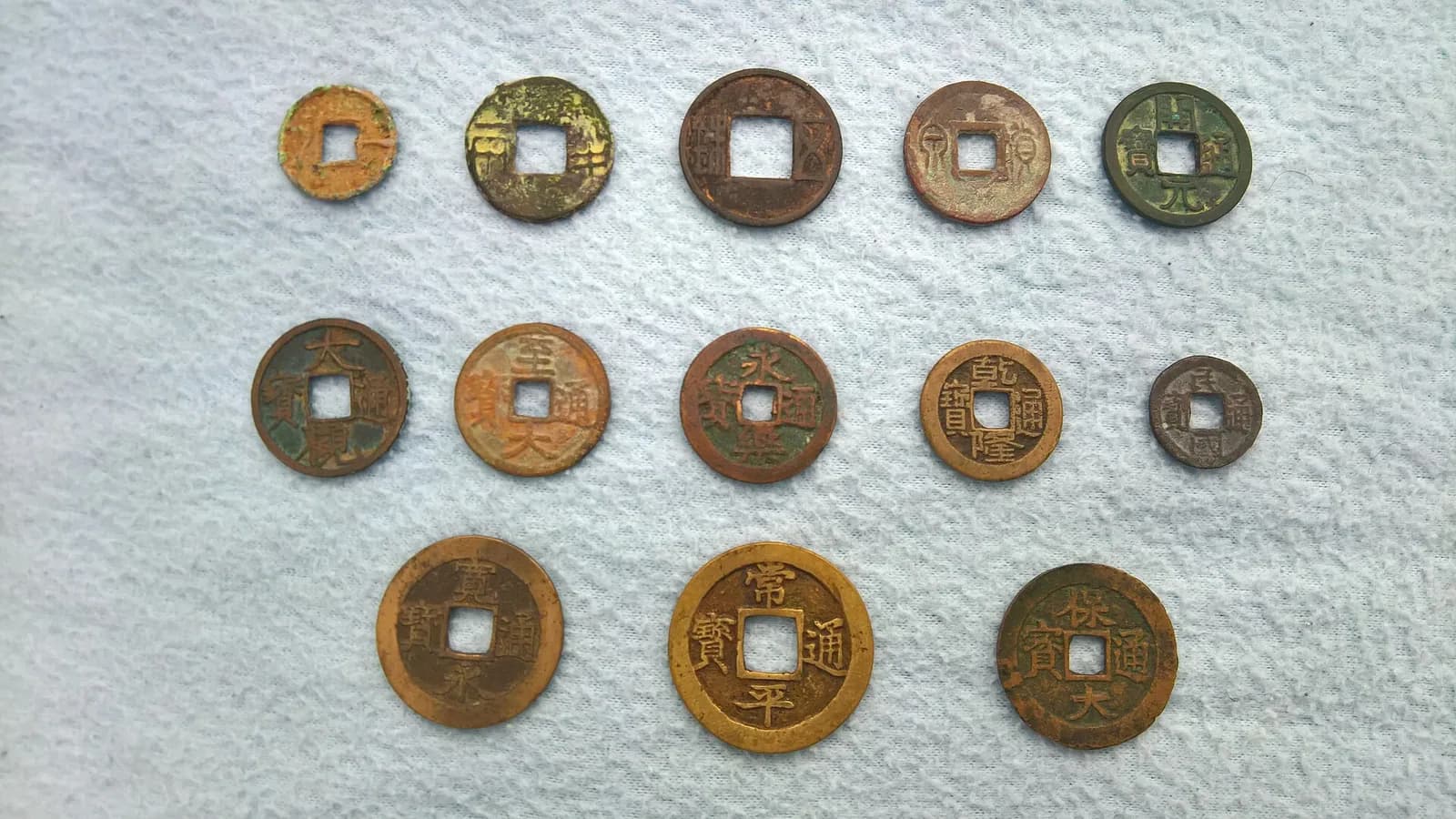
From its 1636 debut to the early Meiji era, the Kanei Tsuho circulated for 230 years as Japan's longest-lived coin. This series walks through its story, catalog entry, variant research, and market analysis.

  1. 1
    寛永通宝 — 230年間、庶民の手に渡り続けた「日本最長寿の銭」
    Coin Story

    寛永通宝 — 230年間、庶民の手に渡り続けた「日本最長寿の銭」

    寛永13年(1636)に始まる江戸の銭貨統一から、明治まで使われ続けた穴銭の歴史

  2. 2
    The World of Kanei Tsuho
    Coinpedia

    The World of Kanei Tsuho

    Conclusion: Kanei Tsuho, the cornerstone currency of the Edo economy, offers profound value for both collection and investment by discerning its mother coins and rare variant calligraphies.

  3. 3
    Detailed Kanei Tsuho Variants
    Coinpedia

    Detailed Kanei Tsuho Variants

    Conclusion: Collecting Kanei Tsuho variants is a profound field where understanding historical context and honing appraisal skills can lead to the discovery of highly valuable rare coins.

  4. 4
    Kan'ei Tsūhō Mother Coin: How to Identify Its Value and Market Trends
    Column

    Kan'ei Tsūhō Mother Coin: How to Identify Its Value and Market Trends

    Explore the rare "Mother Coins" of Kan'ei Tsūhō, a currency that circulated during the Edo period. This article explains their unique value and identification methods, diving deep into the market dynamics behind their high prices. Discover insights to enrich your collection and make informed decisions with One-Ten-Do's Vault.

  5. 5
    Why Kan'ei Tsūhō Values Differ by 100x: How Grading Determines Coin Prices
    Column

    Why Kan'ei Tsūhō Values Differ by 100x: How Grading Determines Coin Prices

    The value of Kan'ei Tsūhō, a Japanese cash coin, varies significantly not only by type and era but also by its preservation grade. In the Anasen market, even minor wear or defects can lead to a 100-fold price difference. Use Ittendō Vault to accurately understand the true value and market trends of your Kan'ei Tsūhō.