ITTENDO Series
Series — Japanese Coins Explored by Theme
The 230 years of the Kanei Tsuho, the full picture of Edo gold coinage, how grading works — each series follows one theme across stories, catalog entries, and market analysis. Read in order, and the whole coin comes into focus.
 Series2 parts
Kanei Tsuho Deep Dive
From its 1636 debut to the early Meiji era, the Kanei Tsuho circulated for 230 years as Japan's longest-lived coin. This series walks through its story, catalog entry, variant research, and market analysis.
Read the series →
Edo Gold Coin Complete Guide
A structured walkthrough of the Edo shogunate's gold coinage — from an overview of koban and oban to individual coin types, the story of the Keicho Koban, and why these pieces still captivate collectors.
Read the series →
Coin Grading Explained
What do grades like MS65 and PR65 mean, and why can the same coin sell for several times more? This series builds from grading fundamentals to international certification services and the authentication framework.
Read the series →
Ancient Japanese Coins Tour
A journey through Japan's earliest coinage, from the Wado Kaichin to the Imperial Twelve Coins — pairing catalog overviews with long-form stories of Nara- and Heian-era economic history.
Read the series →
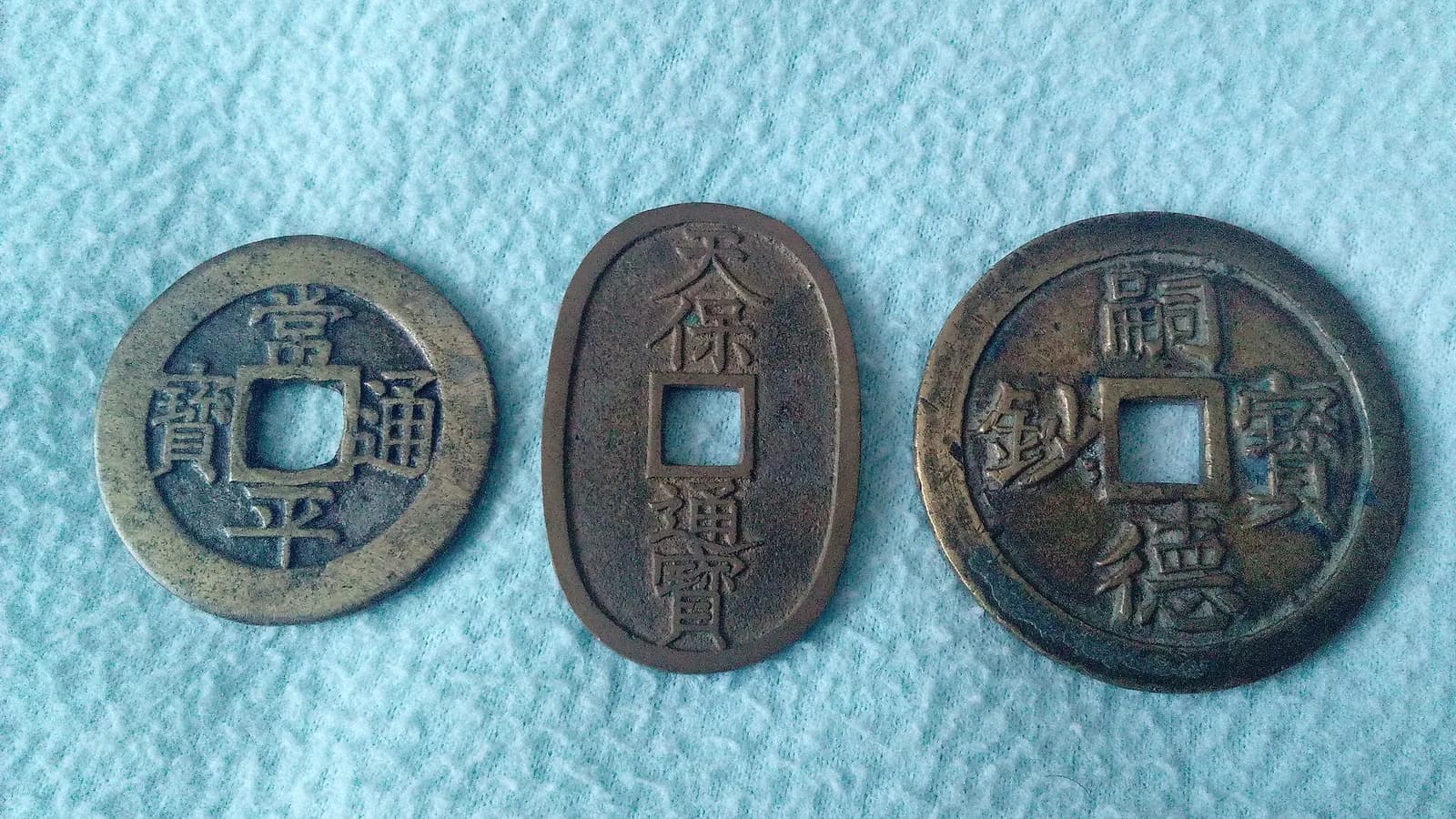 Series2 parts
Tenpo Tsuho Complete Guide
Born from the fiscal crisis of the Tenpo era, the oval Tenpo Tsuho served as a 100-mon piece. This series covers its origin story, catalog entry, role as a hyakumon coin, and how to read its market value.
Read the series →
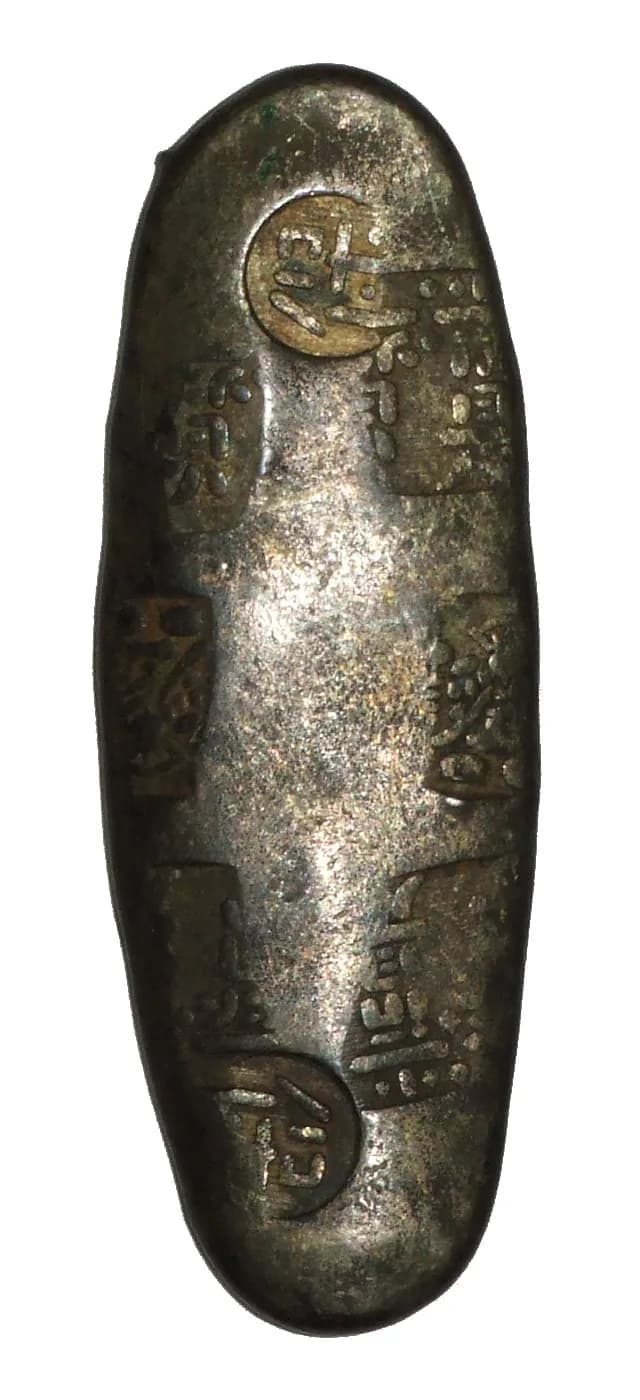 Series1 parts
Edo Five Great Silver Coins: Complete Guide
A complete eight-part guide to the five silver coin lineages of the Edo shogunate: chogin, mameita-gin, ichibu-gin, tenpo ichibu-gin, and nanryo nishu-gin — covering market values, authentication, and variety research.
Read the series →