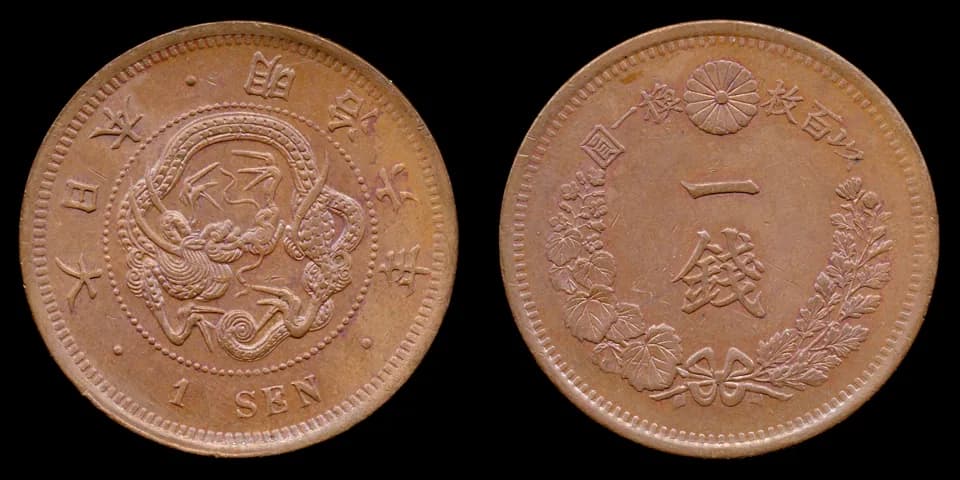
Image: Modern Japanese coinage / As6673 / Wikimedia Commons / CC BY-SA 3.0(source)
Prohibition on Exporting Silver Coins in the Taisho Era and the Surge in Bullion Prices — Tracing the History of Modern Coins
The surge in silver prices during World War I made it more profitable to melt and sell Taisho silver coins. What was behind the government's emergency prohibition order?
Subject coin: 大正期銀貨の輸出禁止令と地金高騰
Overview
The prohibition on exporting silver coins in the Taisho era and the surge in bullion prices are crucial pieces in Japan's monetary history from 1917-1922. The surge in silver prices during World War I made it more profitable to melt and sell Taisho silver coins. In this article, we trace the prohibition order and the rise in bullion prices, from their historical background to the casting technology, circulation realities, and subsequent impacts, as a narrative based on historical facts. Understanding the historical context carried by these coins will significantly change how one views their value beyond mere market figures. The history of Japanese currency originates with the cast of Wadōkaichin from the Nara period, passes through the diverse gold and silver coins of the Edo period, and leads into the modern coins of the Meiji era. For those seeking foundational knowledge, also refer to Value and Identification of Modern Coins and Overview of Meiji Era Coins.
Specifications
- Denomination
- —
- Minting period
- 1917-1922
- Metal composition
- —
- Weight
- —
- Dimensions
- —
- Mintage
- 不詳(諸説あり)
- Mint supervisor
- 不詳
- Market price
- 状態により変動(落札履歴を参照)
The Era Birth of the Prohibition on Exporting Taisho Silver Coins and the Rise in Bullion Prices — The Background of Coinage
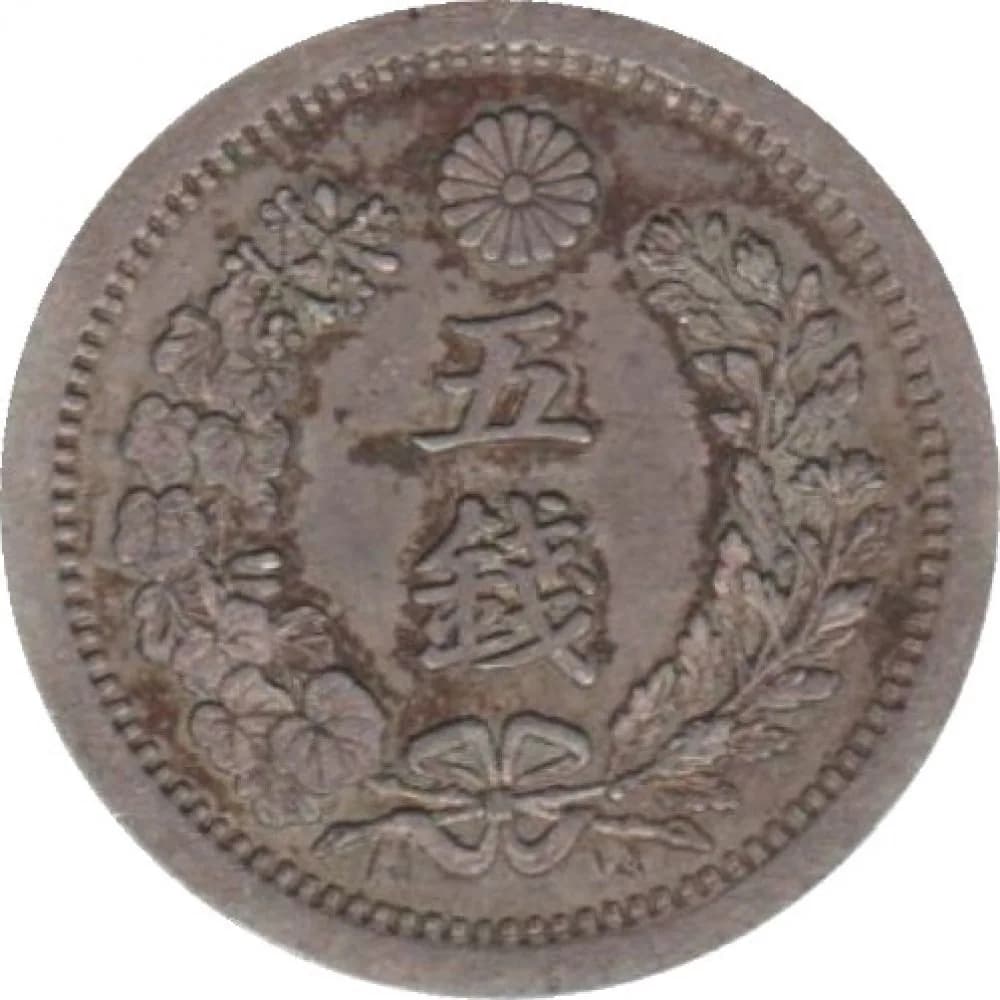
Image: Modern Japanese coinage / Coindesmonnaies / Wikimedia Commons / CC BY-SA 4.0(source)
The background to the emergence of the prohibition on exporting Taisho silver coins and the rise in bullion prices is deeply intertwined with the political and economic conditions of the time. Modern coins were minted as a response to the fiscal and circulation challenges faced by rulers and emerged from the needs of society at that time. We begin by examining the initial conditions that necessitated these coins. The fact that world silver bullion prices soared due to wartime demand during World War I (1914-18), reaching about 2 to 3 times pre-war levels around 1919, is indispensable in understanding this coin's historical positioning. This experience directly led to the “complete cupronickel transition” policy of auxiliary coins in the Showa era, turning what were everyday circulating silver coins into de facto commemorative and collector's items, an essential aspect of this coin's historical positioning. Together with confirming auction prices for old coins, understanding deepens further. Taking into account the economic conditions and systems at the time of casting, it becomes clear that the meanings of coins bearing the same name can differ significantly depending on the time of issuance. Existing specimens, due to wear and oxidation over the years, become increasingly rare if they maintain their casting state over time.
How the Prohibition on Exporting Taisho Silver Coins and the Rise in Bullion Prices Were Made — Material and Technique
Image: Modern Japanese coinage / Coindesmonnaies / Wikimedia Commons / CC BY-SA 4.0(source)
The value of the prohibition on exporting Taisho silver coins and the rise in bullion prices cannot be fully discussed without mentioning the materials and manufacturing methods of the minting process. Modern coins bear the handiwork of artisans in their bullion mix and finish that directly affect their modern evaluation. By tracing the choice of materials and manufacturing process, we can see the accumulation of skills embodied in a single piece. Japan's Taisho era 50 sen, 20 sen, and 10 sen silver coins had a silver purity of 720‰ (old standard), and the bullion value exceeded the face value, creating a “negative premium” scenario—a key point in grasping their historical status. Referencing market charts to verify price trends enhances understanding. Existing specimens endure wear and oxidation over time, and those that retain their state from the time of casting become more rare over time. Market evaluation intertwines three axes: rarity, state of preservation, and collector popularity; no single factor alone can explain their price. Familiarizing oneself with the characteristics of inscriptions, bullion color, dimensions, and weight is the first step in discerning authenticity and lineage. By learning the historical background, one can appreciate the cultural depth of these coins beyond mere market figures.
The Prohibition on Exporting Taisho Silver Coins and the Rise in Bullion Prices and People's Lives — Circulation and Economy
Image: Modern Japanese coinage / Coindesmonnaies / Wikimedia Commons / CC BY-SA 4.0(source)
After being issued, the prohibition on exporting Taisho silver coins and the rise in bullion prices found their way into circulation, used daily by people. Understanding how modern coins circulated in the market, influencing prices and transactions, is central to monetary history. We unravel the role these coins played through the economic movements at the time and the public's reactions. The disappearance of silver coins from the domestic market and their rampant export and melting to China and Southeast Asia led to the issuance of the silver coin export prohibition order in the 8th year of Taisho (1919)—a critical understanding for its historical placement. Moreover, consulting standards for coin grading further deepens understanding. Market evaluation combines rarity, preservation status, and collector popularity; no single axis solely dictates pricing. Noticing details like inscription styles, bullion tone, dimensions, and weight is fundamental in determining authenticity and lineage. Comprehending historical backgrounds brings out the inherent cultural depth of these coins, beyond mere numerical values. As one continues to collect, the historical contexts of each type and the circumstances of minting interlink, fostering a more three-dimensional understanding of knowledge.
What the Prohibition on Exporting Taisho Silver Coins and the Rise in Bullion Prices Left Behind — Impact on Future Generations
Image: Modern Japanese coinage / Coindesmonnaies / Wikimedia Commons / CC BY-SA 4.0(source)
The prohibition on exporting Taisho silver coins and the rise in bullion prices left a lasting mark, influencing successor coins and the history of collection even after its era ended. We reflect on how modern coins are positioned amidst re-minting, abolition, and succession, contemplating their contemporary evaluation. Considering the meanings of past coins in today’s market enhances valuation precision. As a countermeasure, the government hastily re-minted auxiliary silver coins, transitioning to a nickel-copper alloy (cupronickel) system, introducing new standards with significantly reduced silver content—essential for understanding its historical status. By consulting price monitoring for interested coins in the Vault, understanding deepens further. Recognizing the basic highlights like inscription style, bullion color, dimensions, and weight is the first step in discerning authenticity and lineage. Learning the historical background reveals the cultural depth of these coins, beyond market numbers. As one continues collecting, the backgrounds and minting circumstances of various issues connect sequentially, building a multifaceted body of knowledge. A single old coin serves as a document reflecting the economic policies of its time and the people's lives, altering perceived value as one learns more about its background.
Value & Rarity
The market value of the prohibition on exporting Taisho silver coins and the rise in bullion prices is determined by three factors: rarity, preservation state (grade), and collector popularity. For modern coins, differences in mint period, inscription style, and proximity to an unused state can lead to price variations ranging from several times to tens of times. Alloy types with limited existing numbers appear less frequently on the market, and well-conserved examples become rarer over time. For market assessments, it is prudent to verify actual completed auction prices across multiple cases rather than relying solely on listed prices. Current price trends can be checked with price monitoring for interested coins in the Vault. Evaluation in the market is shaped by the interplay of rarity, preservation state, and collector demand, and no single factor explains the price. Noticing details like inscription styles, bullion tone, dimension, and weight is the first step in discerning authenticity and lineage.
Conclusion
The prohibition on exporting Taisho silver coins and the rise in bullion prices was a product of its time, fulfilling roles within everyday life and leaving marks on future generations. Understanding the history behind a coin cultivates a discerning eye that market figures alone cannot provide. For those interested in modern coins, it is advisable to gradually build one's judgment criteria by comparing multiple transaction data without haste.
Related Stories
60th Anniversary of Local Autonomy Law 500 Yen Bicolor – 10-Year Journey Across 47 Prefectures
Commemorative Coin Series Born from the Law of 1947
Coin StoryHeisei Inauguration Commemorative 100,000 Yen Gold Coin — Japan’s Historical Golden Emblem
Limited Edition Gold Coin Celebrating the Heisei Emperor’s Inauguration, Learning from the Showa Experience
Coin StoryFormer 20-Yen Gold Coin (Meiji 3) — The Highest-Denomination Gold Coin That Stamped Modern Japan's 'Gold Standard'
The Story of the New Currency Regulations and the Osaka Mint Born from the Scars of the Boshin War, and the Enigmatic Meiji 3 Issue
Dealers
Dealers Handling This Category
A reference when considering a sale or appraisal. All are dealers and auction houses with a proven track record.
Ginza Coins
Ginza, Chuo-ku, Tokyo
One of Japan's most established numismatic dealers. The scale and variety of their regular auctions is among the largest in the country. Their catalogs are considered a benchmark for market pricing.
Taisei Coins
Tokyo
A dealer with an international network. Offers advanced services such as consignment to overseas auctions and NGC/PCGS grading submission. Recommended for high-value or internationally recognized coins.
Tokyo Coin Club
Tokyo
A membership-based coin dealer known for carefully selected, quality inventory.