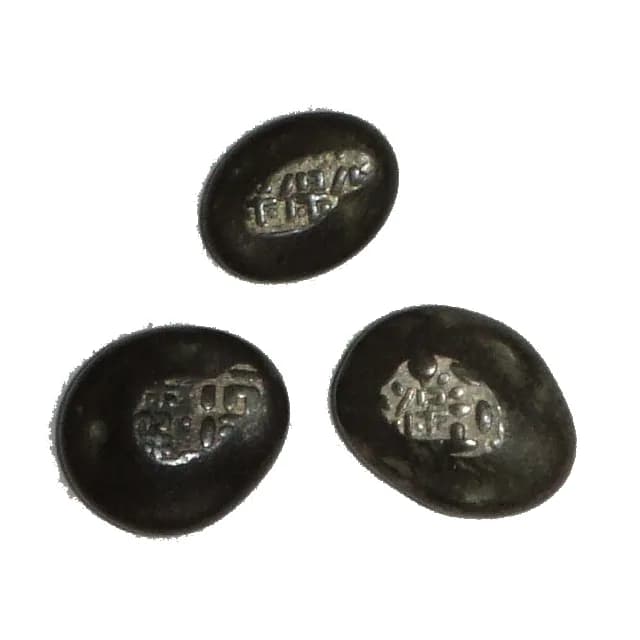
Image: Silver coins from the Edo to early Meiji periods / As6673 / Wikimedia Commons / CC BY-SA 3.0(source)
Tōkaidō Shinkansen Opening Commemoration Medal — The Mystery of the Lost Coin
The History and Value of the Commemorative Medal Celebrating the Opening Just Before the Tokyo Olympics
Subject coin: 東海道新幹線開業記念メダル
Overview
On October 1, 1964, the Tōkaidō Shinkansen opened for service. This date fell just nine days before the opening of the Tokyo Olympics, making it a symbolic event in Japan's era of high economic growth. Remarkably, however, no official coin was issued to commemorate this historic occasion; instead, the Japanese National Railways (JNR) sold commemorative medals and stamps. Behind this decision lay the fact that, in the same year, the Tokyo Olympics 100-yen silver coin and 1,000-yen silver coin had already been issued. These Olympic commemorative coins became collector's items and attracted great popularity both domestically and abroad, yet no official coin exists for the Shinkansen opening. This curious choice continues to captivate the interest of many people to this day. Looking ahead to the 70th anniversary of the Shinkansen's opening in 2034, the issuance of a commemorative coin is anticipated.
Specifications
- Denomination
- 記念メダル(額面なし)
- Minting period
- 1964年
- Metal composition
- 銀・銅合金(諸説あり)
- Weight
- 不詳(諸説あり)
- Dimensions
- 直径約32mm
- Mintage
- 不詳(諸説あり)
- Mint supervisor
- 国鉄(現JR)
- Market price
- 現在の相場: 数千円〜数万円(状態による)
Chapter 1: The Shinkansen Opening and Its Background — Japan in 1964
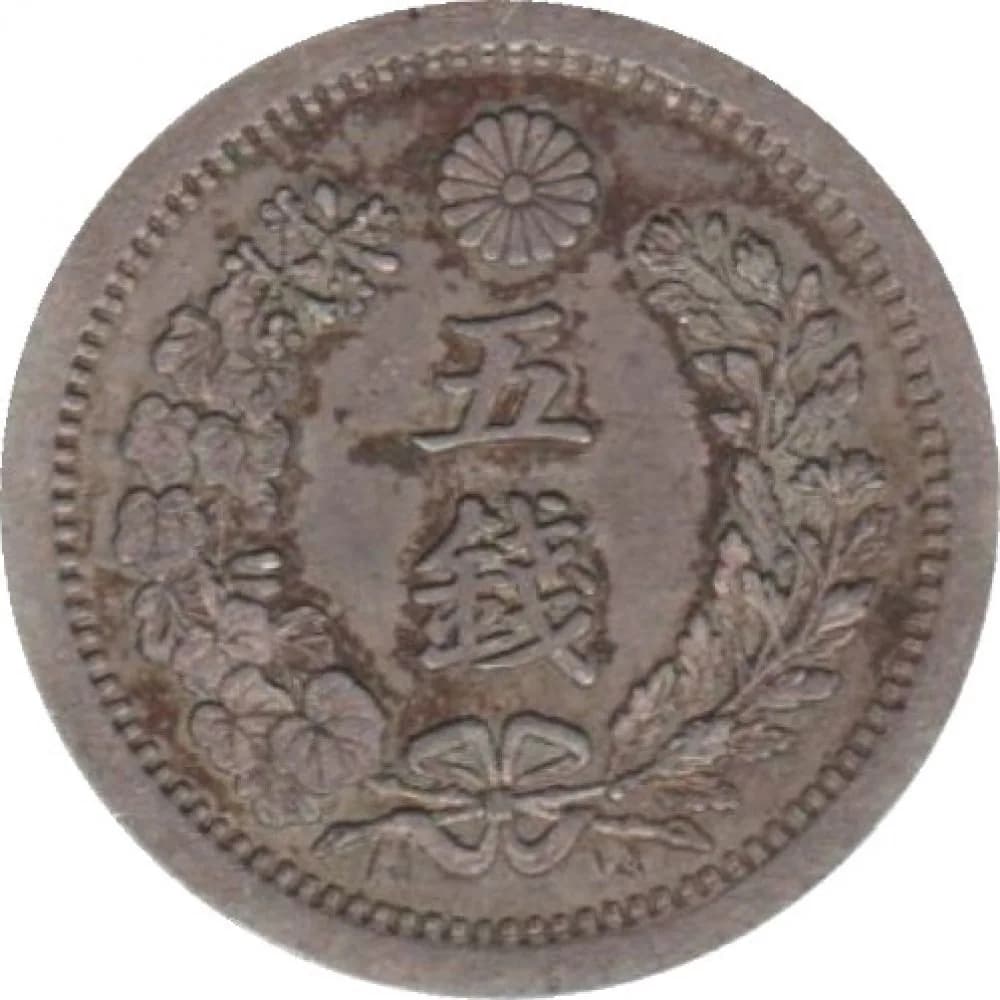
Image: Modern Japanese coinage / Coindesmonnaies / Wikimedia Commons / CC BY-SA 4.0(source)
In 1964, Japan was in the midst of its era of high economic growth. Having completed its postwar recovery, Japan was preparing for the Tokyo Olympics — a major event intended to assert its presence on the international stage. On October 1, the Tōkaidō Shinkansen, the world's first high-speed railway, began service. The timing was exquisite: the opening came just nine days before the start of the Olympics, drawing attention from around the world. The Shinkansen connected Tokyo and Osaka — a distance of 515.4 km — in as little as four hours, and stood as a symbol of Japan's technological prowess at the time.
Nevertheless, no commemorative coin was issued for this groundbreaking event. By contrast, the Tokyo Olympics 100-yen silver coin and 1,000-yen silver coin, both issued that same year, became enormously popular at home and abroad and turned into collector's items. These commemorative coins served not only to celebrate the success of the Olympics but also as symbols of Japan's rising international standing. During this period, Japan's economic leaders sought to project the country's technological capabilities and culture to the world through the twin events of the Olympics and the Shinkansen opening.
For its part, JNR issued stamps and medals to commemorate the Shinkansen's opening. These items were also used as gifts on formal occasions and were cherished by many people. Yet why no official commemorative coin was issued remains a mystery to this day. The Shinkansen's opening was a symbolic event that carved out Japan's future, and a coin marking its significance might have become a cultural legacy for posterity. Considering the political context and economic conditions of Japan at the time, the decision not to issue a commemorative coin was likely the result of various intertwined factors.
Chapter 2: The Production of the Commemorative Medal — Technology and Design
Image: Modern Japanese coinage / Coindesmonnaies / Wikimedia Commons / CC BY-SA 4.0(source)
The production of the medal commemorating the opening of the Tōkaidō Shinkansen was led by JNR (now JR), bringing together the technology and design sensibility of Japan at the time. The medal's design, executed through precise engraving techniques, featured the silhouette of the Shinkansen and a route map, and was highly regarded as a symbol of Japan's modernization. As for the material, it is said that an alloy of silver and copper was used, though the exact composition and the number of medals produced remain unclear, with various accounts in circulation.
The manufacturing process drew on Japan's casting technology of the era, with each medal carefully made by hand at a factory in Tokyo. The craftsmen involved poured their feelings of celebration for the Shinkansen's opening into every detail, producing works of painstaking craftsmanship. From the moment of their announcement, these medals attracted wide attention for the beauty of their design and the high level of technical skill they displayed, earning praise from collectors both in Japan and abroad.
This commemorative medal served as one means of demonstrating Japan's economic prosperity and technological capabilities to the world at the time. Moreover, since the event drew international attention comparable to that of the Olympics, the production and distribution of the medals were met with the expectations and interest of many people. Through this medal, JNR sought to express Japan's spirit of technological innovation and hope for the future. Produced in this way, the medals have endured across the ages as testament to Japan's development.
Chapter 3: The Circulation and Impact of the Commemorative Medal — Economic and Public Reactions
Image: Modern Japanese coinage / Coindesmonnaies / Wikimedia Commons / CC BY-SA 4.0(source)
The commemorative medal was sold as an official memento to celebrate the opening of the Tōkaidō Shinkansen at JNR stations and select retail outlets. Priced at several hundred yen — an affordable sum — it was purchased by many people and became popular as a household keepsake and a gift. It is said that at the time of their initial sale, queues formed at Shinkansen stations across the country, such was the demand.
The circulation of this medal had no small impact on the Japanese economy of the time. In Japan, which was in the midst of high economic growth, the development of transportation infrastructure was proceeding at a rapid pace, and the Shinkansen's opening was the symbolic event of that process. Sales of the medal contributed to JNR's revenue, while an increase in tourists also helped stimulate regional economies.
At the same time, the fact that no official commemorative coin was issued drew a variety of opinions from the public. There were not a few voices questioning why the Shinkansen's commemorative item had been limited to a medal, especially in comparison to the Olympic commemorative coins. However, the circulation of these medals also served as an opportunity for the significance of the Shinkansen's opening to become widely known. Those who received a medal were moved by the vision of the Shinkansen blazing a path toward Japan's future, and they felt its value firsthand.
In this way, the Shinkansen Opening Commemorative Medal left an impression on many people not merely as a souvenir, but as a symbol of Japan's growth and technological capabilities at the time. The public's reaction also influenced the subsequent trajectory of the commemorative goods market, and its value has been carried forward to the present day.
Chapter 4: Its Legacy — The Value of the Lost Coin
Image: Modern Japanese coinage / Coindesmonnaies / Wikimedia Commons / CC BY-SA 4.0(source)
The Tōkaidō Shinkansen Opening Commemorative Medal has continued to occupy an important place in the history that followed. The fact that no official commemorative coin was issued gave rise to much debate in later years. In particular, the absence of any coin celebrating the Shinkansen's opening — especially when set against the global acclaim received by the 1964 Tokyo Olympics commemorative coins — has become a great mystery for historians and collectors of later generations.
This medal subsequently came to be regarded as highly rare among many collectors and was sometimes traded at high prices at auction. With the 70th anniversary of the Shinkansen's opening approaching in 2034, the issuance of an official commemorative coin is anticipated, but until that time, there is no doubt that this medal will continue to hold value as the sole official commemorative item symbolizing the Shinkansen's opening.
The existence of this medal has also become an occasion to reassess the value of medals as commemorative items. Unlike commemorative coins, medals allow greater freedom in design and materials, and for that very reason they can possess a distinctive artistic value. From this perspective, the collecting of medals has come to be recognized not merely as a hobby but as an activity through which historical value is discovered.
In this way, the Tōkaidō Shinkansen Opening Commemorative Medal, through its production and circulation, continues to exist as part of Japan's economic and cultural history across generations. As long as the Shinkansen remains a symbol of Japan's modernization, this medal will surely retain its standing as a symbol of that same modernization.
Value & Rarity
The Tōkaidō Shinkansen Opening Commemorative Medal enjoys high popularity among collectors owing to its rarity and historical significance. The number of medals issued is unknown, but the absence of an official commemorative coin has relatively enhanced the medal's value. The market value of this medal varies depending on condition and design, but it is often traded for anywhere from several thousand yen to tens of thousands of yen.
In particular, examples in unused condition or those housed in their original cases tend to receive high appraisals. Moreover, as with Olympic commemorative coins in the value and market price of commemorative currency, the historical background of this medal is one factor in its valuation.
This medal is not merely a lump of metal; it holds value as an item symbolizing Japan's economic growth and technological innovation. For that reason, owning one is itself a source of pride for collectors, and knowledge of its historical background further enhances its value. In this way, the Tōkaidō Shinkansen Opening Commemorative Medal has established its position as a collector's item, and that value is unlikely to change going forward.
Related Guides: Value and Market Price of Commemorative Currency / Types and Features of Commemorative Coins / Check Hammer Prices at Old Coin Auctions / Check Price History on the Market Chart / Standards for Old Coin Grading
Conclusion
The Tōkaidō Shinkansen Opening Commemorative Medal is a precious historical legacy symbolizing one of Japan's landmark events of 1964. The fact that no official commemorative coin was issued gave rise to much debate afterward, yet that very circumstance also became a factor elevating the medal's value. The medal is a symbol of Japan's technological capabilities and economic growth at the time, and its existence has continued to influence many people across the generations.
Looking ahead to the 70th anniversary of the Shinkansen's opening, the issuance of an official commemorative coin is anticipated, but until that time, there is no doubt that this medal will continue to hold value as the sole official commemorative item symbolizing the Shinkansen's opening. Through this medal, we are able to reaffirm the history of Japan's modernization and technological innovation, and to hold hope for the future.
Related Stories
60th Anniversary of Local Autonomy Law 500 Yen Bicolor – 10-Year Journey Across 47 Prefectures
Commemorative Coin Series Born from the Law of 1947
Coin StoryAichi Expo Commemorative Silver Coin — Hope for the Future Carved with the Wisdom of Nature
The History and Value of the 1000-yen Silver Coin Commemorating the 2005 Aichi Expo
Coin StoryCommemorative 500 Yen Cupronickel Coin for the Enthronement of the Heisei Emperor — A Bridge from Heisei to Reiwa
The Story of a Historic Commemorative Coin Celebrating the Enthronement of the Heisei Emperor
Dealers
Dealers Handling This Category
A reference when considering a sale or appraisal. All are dealers and auction houses with a proven track record.
Ginza Coins
Ginza, Chuo-ku, Tokyo
One of Japan's most established numismatic dealers. The scale and variety of their regular auctions is among the largest in the country. Their catalogs are considered a benchmark for market pricing.
Tokyo Coin Club
Tokyo
A membership-based coin dealer known for carefully selected, quality inventory.
Japan Coin Auction (JCA)
Tokyo
Holds regular auctions with reliable hammer price data, making it a useful resource for tracking market values. Caters to a wide range of collectors from beginners to advanced buyers.