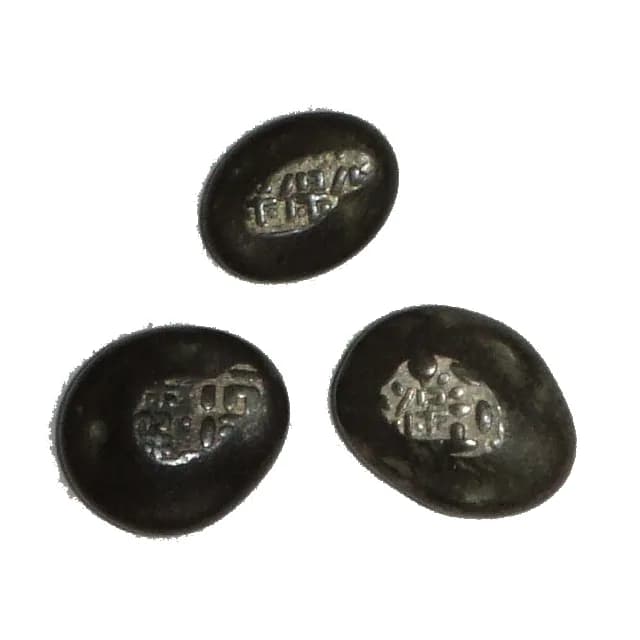
Image: Silver coins from the Edo to early Meiji periods / As6673 / Wikimedia Commons / CC BY-SA 3.0(source)
Reiwa Emperor's Accession Commemorative 100,000 Yen Gold Coin — A Golden Token Heralding a New Era
A commemorative gold coin issued in the first year of Reiwa telling Japan's future
Subject coin: 令和天皇陛下御即位記念10万円金貨
Overview
In the first year of Reiwa (2019), Japan welcomed a new era. The 100,000 yen gold coin issued to celebrate the Emperor's accession symbolizes this change. The obverse features the legendary phoenix flying through clouds, while the reverse depicts the main palace and the paulownia crest, showcasing both artistry and craftsmanship. With a mintage of 500,000, significantly fewer compared to the Heisei era's 2,000,000 commemorative coins, this reduction reflects the changes of the times and the diversification of public interest in modern society. Issued as a commemorative coin, this gold piece significantly influenced the value and market of commemorative coins, becoming essential material for deeply understanding modern Japanese culture and history. This coin is also an indispensable resource for understanding the types and characteristics of commemorative coins.
Specifications
- Denomination
- 10万円
- Minting period
- 令和元年(2019年)
- Metal composition
- 金99.99%
- Weight
- 30g
- Dimensions
- 直径約33mm
- Mintage
- 50万枚
- Mint supervisor
- 不詳
- Market price
- 30万円〜50万円(状態による)
Birth of the Accession Commemorative Coin — Symbol of a New Era
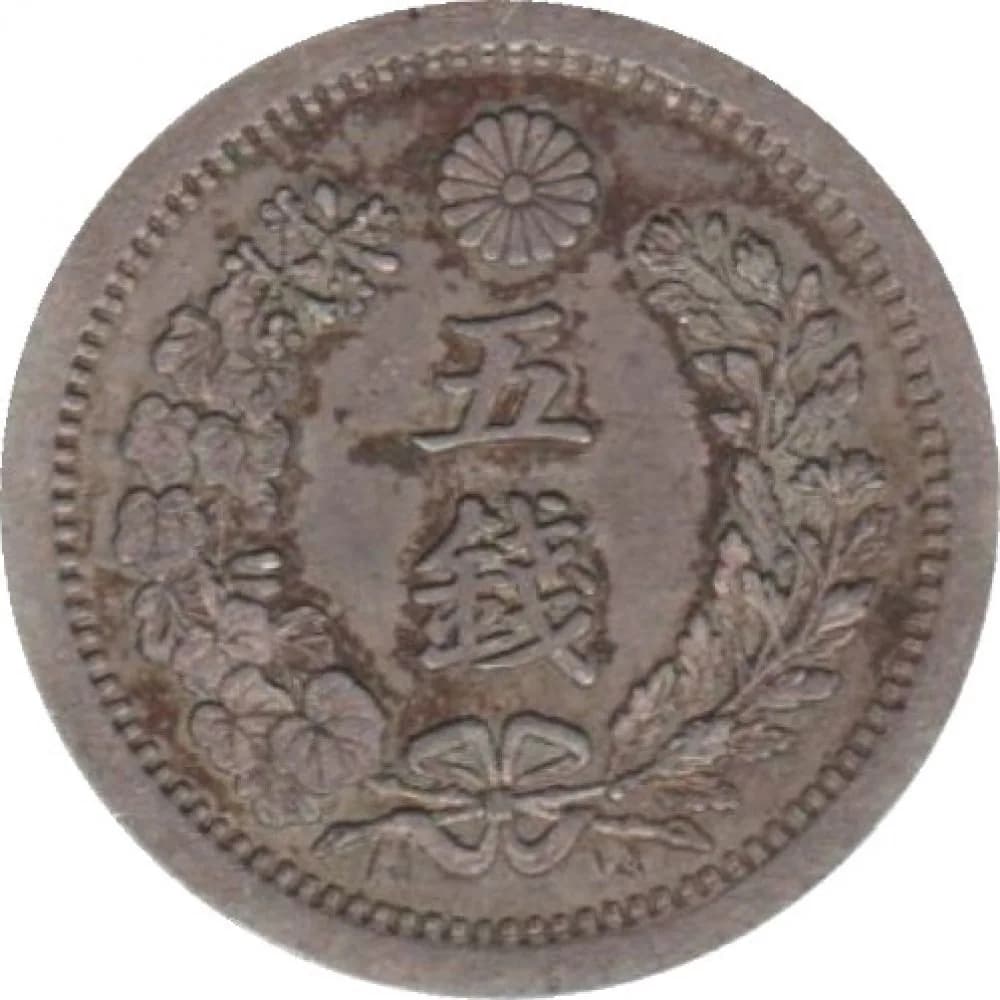
Image: Modern Japanese coinage / Coindesmonnaies / Wikimedia Commons / CC BY-SA 4.0(source)
Reiwa's first year (2019) marked an important turning point in Japanese history. It signaled the end of the Heisei era and the beginning of Reiwa. On May 1 of that year, the Emperor acceded, and amidst nationwide celebration, the government decided to issue two types of commemorative gold coins: 100,000 yen and 10,000 yen. The issuance aimed to express gratitude to the people and hope for the new era, with profound political intentions behind it. The Emperor's accession is a symbolic event for Japan, and issuing gold coins to commemorate it is noteworthy in the history of Japanese currency. At the time, Prime Minister Shinzo Abe spoke to the nation about hopes for the new era, expressing a will to guide Japan toward a better economic and cultural direction. Internationally, the issuance garnered attention, attracting interest from collectors overseas. Moreover, the drop in mintage to 500,000 compared to Heisei's 2,000,000 was notable, attributed to the diversification of public interest. Thus, the Reiwa Emperor's Accession Commemorative 100,000 Yen Gold Coin is positioned as a significant coin symbolizing the changing times.
Craftsmanship Shines in the Minting Process — Behind the Scenes of Minting the Coin
Image: Modern Japanese coinage / Coindesmonnaies / Wikimedia Commons / CC BY-SA 4.0(source)
The minting of the Reiwa Emperor's Accession Commemorative 100,000 Yen Gold Coin required special techniques and intricate craftsmanship. This coin uses gold with a purity of 99.99%, weighs 30g, and fits strict specifications with a diameter of approximately 33mm. Creating such high-purity coins required skilled craftsmen. Minting was primarily carried out at the Tokyo Mint Bureau, with domestic and international technicians collaborating on the production process. The Tokyo Mint Bureau, with its historical background, boasts traditions dating back to the Meiji era and has handled historical coins like the details of Keichō Koban and the types and distinctions of Edo gold coins. The obverse of the coin beautifully depicts a phoenix and clouds, symbols of the Japanese imperial family and a leap into the new era. The reverse features the main palace and the paulownia crest, symbolizing the connection between Japan's tradition and the present. The minting process begins with melting gold ingots and pouring them into precise molds. After cooling and polishing, the coins undergo strict inspections before becoming finished products. These processes blend the latest technology with the knowledge of craftsmen, enhancing the coin's value.
Circulation and Economic Impact — The Role of Commemorative Coins
Image: Modern Japanese coinage / Coindesmonnaies / Wikimedia Commons / CC BY-SA 4.0(source)
The circulation of the Reiwa Emperor's Accession Commemorative 100,000 Yen Gold Coin attracted attention both domestically and internationally. Shortly after issuance, the coin saw high demand mainly as a collector's item and was rarely used in general circulation. However, due to its rarity and symbolism, it often traded at high prices among domestic coin dealers and auction markets. Especially in Japan, coin collectors competed to acquire this new commemorative gold coin. Initial market prices often exceeded face value, with well-preserved items trading for several hundred thousand yen. For those with basic knowledge of coin auctions, it indicated high investment potential. Economically, issuing this coin was considered part of deflation countermeasures. The Bank of Japan aimed to enhance the scarcity of coins through limited issuance, thereby increasing their value. Internationally, it also served as a symbol of Japan's economic strength, attracting interest from overseas investors and collectors. Furthermore, given the rising gold market prices during issuance, the pure gold material's value was noted, turning the coin into an economically significant entity beyond a mere commemorative item.
Impact on Future Generations — Reiwa Gold Coin and Beyond
Image: Modern Japanese coinage / Coindesmonnaies / Wikimedia Commons / CC BY-SA 4.0(source)
What impact did the Reiwa Emperor's Accession Commemorative 100,000 Yen Gold Coin have on Japan's future currency culture? This coin is often compared to the Heisei accession commemorative coins, which had a mintage of 2 million, whereas Reiwa's is significantly reduced to 500,000. This reduction reflects domestic economic conditions and societal changes. Particularly, the rise of digital currency and the advancement of a cashless society are cited as background factors reducing the demand for physical currency. Additionally, the coin influenced future currency issuance policy. The government has indicated a future policy for commemorative coins with more limited and higher value-added objectives. This strategy aims to increase collection value by enhancing coin scarcity. Such policy revitalizes discussions on the value and market of commemorative coins and may create new movements in the collector market. Moreover, the design and technology of this coin have influenced subsequent commemorative and regular coins, promoting the manufacture of more artistic and high-quality coins. Thus, the Reiwa Emperor's Accession Commemorative 100,000 Yen Gold Coin extends beyond a mere souvenir, playing a role in the ongoing currency culture of the future.
Value & Rarity
The Reiwa Emperor's Accession Commemorative 100,000 Yen Gold Coin holds extremely high value as a collector's item. With a limited mintage of 500,000, its rarity is high, and demand in the collector market is very strong. Especially unused and well-preserved coins often trade at prices far exceeding their face value. The current market price ranges from 300,000 to 500,000 yen, fluctuating based on gold's international price and market trends. Due to its purity of 99.99%, its material value is also high. Coupled with the historical background of commemorating the dawn of a new era, its collection value increases. Given such a background, this coin serves as important reference material for understanding the value and market of commemorative coins. Moreover, in the modern era of digital currency proliferation, the physical coin's existence could paradoxically enhance its rarity and value. These factors combined, the Reiwa Emperor's Accession Commemorative 100,000 Yen Gold Coin is likely to continue drawing attention in the collector market.
Conclusion
The Reiwa Emperor's Accession Commemorative 100,000 Yen Gold Coin holds significant meaning for Japan as it enters a new era. Issued as a symbol of the times, this coin was created with hope for the future while inheriting the past currency culture. The limited mintage and use of high-purity gold are part of policies responding to economic changes and societal needs. Consequently, the coin extends beyond a mere souvenir, possessing economic and cultural value. Demand in the collector market is expected to remain, with the coin increasing in rarity and value. Even as times change, its value will not fade, continuing to influence future currency culture. This coin serves as a means to connect history and the present and as important material for understanding the beginning of a new era.
Related Stories
60th Anniversary of Local Autonomy Law 500 Yen Bicolor – 10-Year Journey Across 47 Prefectures
Commemorative Coin Series Born from the Law of 1947
Coin StoryFormer 20-Yen Gold Coin (Meiji 3) — The Highest-Denomination Gold Coin That Stamped Modern Japan's 'Gold Standard'
The Story of the New Currency Regulations and the Osaka Mint Born from the Scars of the Boshin War, and the Enigmatic Meiji 3 Issue
Coin StoryNagano Olympic Commemorative 500 Yen — The Winter Festival and Five Cupronickel Coins in 1998
Japan's First Sport-Specific 500 Yen Coin Series Born from the 1998 Nagano Olympics
Dealers
Dealers Handling This Category
A reference when considering a sale or appraisal. All are dealers and auction houses with a proven track record.
Ginza Coins
Ginza, Chuo-ku, Tokyo
One of Japan's most established numismatic dealers. The scale and variety of their regular auctions is among the largest in the country. Their catalogs are considered a benchmark for market pricing.
Tokyo Coin Club
Tokyo
A membership-based coin dealer known for carefully selected, quality inventory.
Japan Coin Auction (JCA)
Tokyo
Holds regular auctions with reliable hammer price data, making it a useful resource for tracking market values. Caters to a wide range of collectors from beginners to advanced buyers.