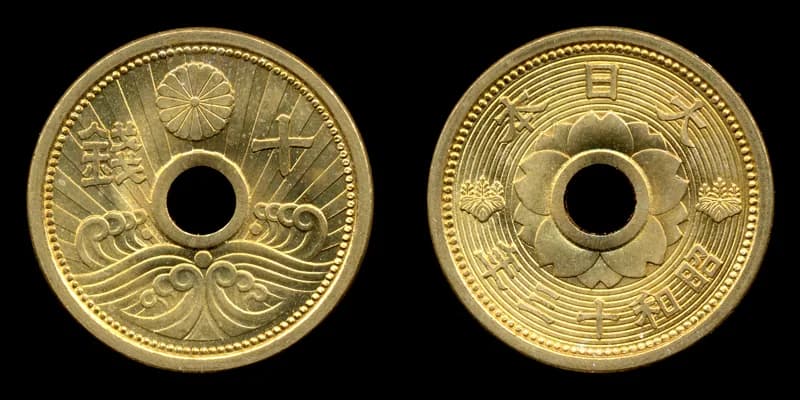
Image: Modern Japanese coinage / As6673 / Wikimedia Commons / CC BY-SA 3.0(source)
Genroku Ichibuban Kin — The Small Gold Coins of Edo That Changed Overnight
The Drastic Drop in Gold Purity of Genroku Ichibuban and Its Impact
Subject coin: 元禄一分判金
Overview
During the Genroku period, Japan's monetary system was at a major turning point. In Genroku 8 (1695), the Edo shogunate implemented a bold policy of lowering the quality of coins. This not only affected the Genroku Koban, but also the Ichibuban Kin. At this time, an astute kanjō bugyō named Ogiwara Shigehide introduced a policy to reduce the gold purity in order to restore the shogunate's finances. The Keichō Ichibuban Kin, which had a gold purity of 86%, was reduced to around 57% in the Genroku Ichibuban Kin, allowing the shogunate to gain a profit known as [demerit]. However, city merchants quickly noticed this change and used the older high-quality Ichibuban for transactions. Understanding types and identification of Edo gold coins is crucial for comprehending the economic activities of the time.
Specifications
- Denomination
- 一分
- Minting period
- 元禄8年〜宝永7年(1695-1710年)
- Metal composition
- 金57% / 銀43%
- Weight
- 8.8g
- Dimensions
- 縦約22mm × 横約14mm
- Mintage
- 不詳(諸説あり)
- Mint supervisor
- 後藤家(金座)
- Market price
- 50万円〜100万円(状態による)
Genroku Recoinage — Ogiwara Shigehide's Strategy
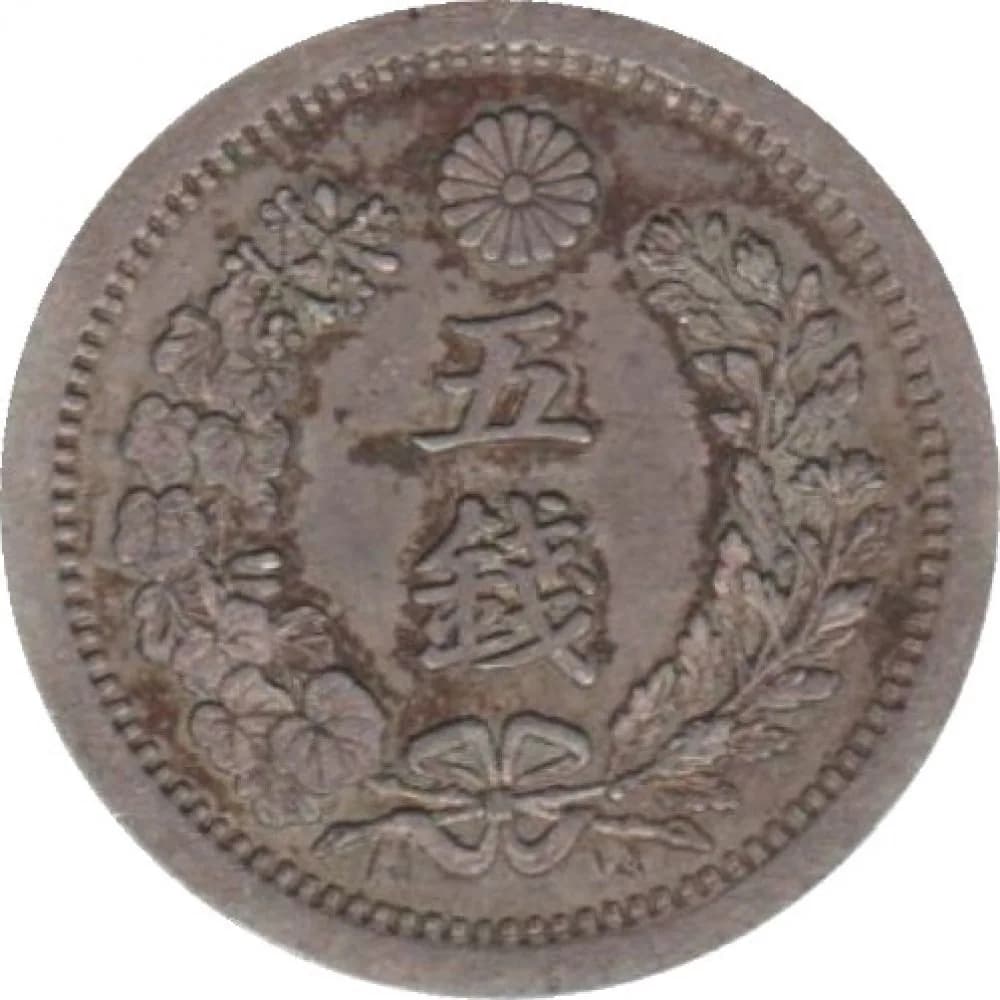
Image: Modern Japanese coinage / Coindesmonnaies / Wikimedia Commons / CC BY-SA 4.0(source)
In Genroku 8 (1695), the Edo shogunate executed a major recoinage of the monetary system. Against the backdrop of financial difficulties, kanjō bugyō Ogiwara Shigehide proposed a new monetary policy. His strategy was to lower the quality of gold coins to improve the shogunate's finances. Specifically, the gold purity of the Keichō Koban and Ichibuban was drastically lowered, from 86% for the Keichō Ichibuban to about 57% for the Genroku Ichibuban Kin. This enabled the shogunate to gain substantial profits, but merchants quickly noticed this change. The 'demerit' from the Genroku recoinage became a temporary source of revenue for the shogunate, contributing to short-term financial improvement, but trust among the public declined. Although Ogiwara Shigehide enforced this policy as a bold move for financial reconstruction, it ultimately affected the shogunate's credibility. The impact of his policy on Genroku coinage had significant repercussions for subsequent shogunate monetary policies. Understanding the details of Keichō Koban allows for a deeper understanding of the significance of the Genroku recoinage. Considering the circumstances of the era, the Genroku Ichibuban Kin was not merely a currency but a reflection of the issues faced at the time.
The Minting Stage — Kinza and the Gotō Family
Image: Modern Japanese coinage / Coindesmonnaies / Wikimedia Commons / CC BY-SA 4.0(source)
The minting of the Genroku Ichibuban Kin was staged at the Kinza in Edo. The Kinza was a coin mint under the control of the shogunate, and the Gotō family was responsible for minting during this period. The Gotō Shirobei family had traditionally assumed the role of minting gold coins and fulfilled this duty during the Genroku recoinage as well. At Kinza, skilled craftsmen worked to adjust the blend of gold and silver while minting the Ichibuban Kin. Due to the significant reduction in gold content compared to the Keichō Ichibuban, material blending during minting was crucial. This adjustment was supported by the long-standing skills and experiences of the craftsmen in the Gotō family. It is said they reviewed minting processes and introduced new techniques to adapt to these changes. Through their efforts and technical prowess, the Genroku Ichibuban Kin managed to achieve the prescribed reduction in quality while maintaining certain standards. Knowing the background of minting allows for a better understanding of how gold coins were produced at that time. The traces of craftsmanship in the Genroku Ichibuban Kin are crucial clues for distinguishing authenticity and lineage in modern appraisals.
Market Confusion — Merchants' Reactions
Image: Modern Japanese coinage / Coindesmonnaies / Wikimedia Commons / CC BY-SA 4.0(source)
As the Genroku Ichibuban Kin began circulating among the public, confusion arose in the market. Merchants quickly discerned the decrease in the new Ichibuban Kin's quality and reacted sensitively. Merchants of the time had the expertise to evaluate the value of currency and noticed the gold purity of Genroku Ichibuban Kin was lower than those from the Keichō era. As a result, they favored using older Ichibuban Kin in transactions, avoiding the new ones. This led to a relative increase in the value of the old Ichibuban Kin in the market, creating a difference in exchange rates with the new ones. Edo during the Genroku era was a hub of commercial activity, and trust in currency was a fundamental element of trade; thus, the impact of decreased quality was significant. While the shogunate intended short-term financial improvement, it also risked losing trust in commercial activities. Such circumstances laid the groundwork for future monetary reforms, prompting a re-evaluation of the balance between currency reliability and shogunate financial policy. Merchants' reactions vividly illustrate the essential role of currency in economic activities during the Edo period. The movement of Genroku Ichibuban Kin in the market was closely tied to the lives and prices of the time, providing a key to understanding the history of currency.
Impact on Later Generations — Evolution of Monetary System
Image: Modern Japanese coinage / Coindesmonnaies / Wikimedia Commons / CC BY-SA 4.0(source)
The Genroku Ichibuban Kin eventually had a considerable influence on subsequent monetary systems. The market confusion triggered by the reduction in quality led the shogunate to undertake new monetary reforms. The circulation of Genroku Ichibuban Kin ended in 1710, in Hōei 7, and the Shōtoku Koban was introduced, which saw a reevaluation of currency quality. This recoinage reflected on the lessons from the Genroku recoinage and aimed to restore trust in currency. The experience from the Genroku Ichibuban Kin served as a catalyst for the shogunate to reconsider the state of the monetary system, having a big impact on later monetary policies. Even today, the Genroku Ichibuban Kin holds a significant place in exploring Japan's currency history. Coin enthusiasts and researchers investigate the historical context and impact of the currency from this period to understand the economic and social trends of the time better. The Genroku Ichibuban Kin is not just a historical currency but an indispensable subject for examining Edo-period financial policies and economic flows. When viewed from later periods, the impact left by Genroku Ichibuban Kin quietly persists in the history of subsequent currencies and collections. Considering its evaluation in today's market fosters an eye for both history and market trends.
Value & Rarity
The Genroku Ichibuban Kin is a highly important coin for understanding the monetary systems of the Edo period. While its value fell in the markets at that time due to decreased gold content, today it is highly valued for its historical background and rarity. Prices vary significantly based on condition and quality, with well-preserved coins fetching prices of 500,000 yen or more. High-quality specimens from the original minting period are particularly rare, and there is high demand among collectors and researchers. The market value of the Genroku Ichibuban Kin is determined not merely by its gold value but by its historical significance and cultural worth. Owning such currency can aid in gaining a deeper understanding of the Edo period's monetary system and economic conditions. Knowledge of coin auction basics can make your collection or purchases more meaningful. Related Guide: Check price trends with market charts
Conclusion
The Genroku Ichibuban Kin is a key reflection of the complex monetary policy of the Edo period. Although the reduction in gold purity aimed at the shogunate's short-term financial improvement, it resulted in market confusion. Merchants' reactions and market changes speak to the importance of currency trust. In later times, this experience led to a reconsideration of monetary systems and served as a lesson in balancing currency reliability with economic policy. Genroku Ichibuban Kin remains a subject of research today, with its historical value being reassessed. Learning from history and considering future economies, the lessons from the Genroku Ichibuban Kin remain alive today.
Related Stories
The Genroku Koban — Shigehide Ogiwara's Financial Revolution and the Consequences of the Genroku Bubble
The man who halved the gold content to save the shogunate, and the merits and demerits of his actions
Coin StoryIchibu-gin — The 'Gold-Silver Ratio Trap' Exposed by Unequal Treaties and the Monetary Crisis of the Late Edo Period
The Systematic Outflow of Gold Coins Triggered by the Opening of Ports in 1858, and the Shogunate's Last Resort: The Manen Recoinage
Coin StoryKeichō Koban (慶長小判) — The Symbol of the Early Modern Monetary System Built by Tokugawa Ieyasu
The year after Sekigahara, Japan's first nationally unified gold coin was born
Dealers
Dealers Handling This Category
A reference when considering a sale or appraisal. All are dealers and auction houses with a proven track record.
Ginza Coins
Ginza, Chuo-ku, Tokyo
One of Japan's most established numismatic dealers. The scale and variety of their regular auctions is among the largest in the country. Their catalogs are considered a benchmark for market pricing.
Japan Coin Auction (JCA)
Tokyo
Holds regular auctions with reliable hammer price data, making it a useful resource for tracking market values. Caters to a wide range of collectors from beginners to advanced buyers.
Taisei Coins
Tokyo
A dealer with an international network. Offers advanced services such as consignment to overseas auctions and NGC/PCGS grading submission. Recommended for high-value or internationally recognized coins.