Image: Modern Japanese coinage / photographed by Samuel Ho / Wikimedia Commons / CC BY-SA 3.0(source)
Sakamoto Kan'ei — The Fabled Kan'ei Tsuho Telling a Brief History
The Extremely Rare 'Kan'ei Tsuho' from the Sakamoto Mint
Subject coin: 坂本寛永
Overview
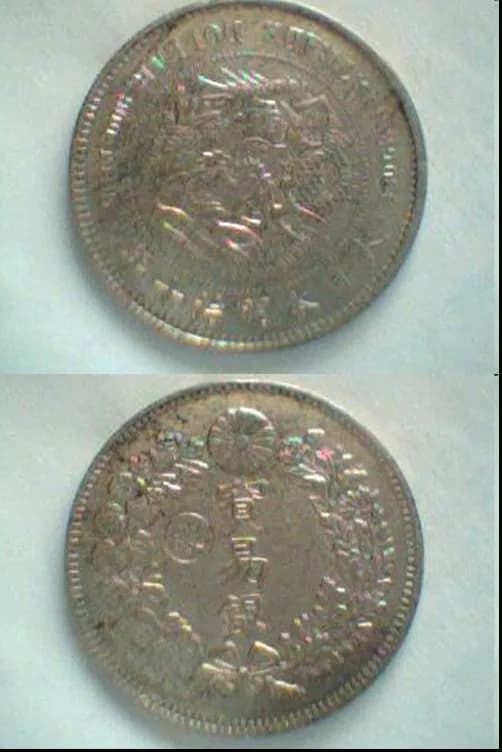
Sakamoto Kan'ei is known as the 'phantom Kan'ei Tsuho' minted in Sakamoto in Omi Province (present-day Otsu City, Shiga Prefecture). Manufactured over a short period from 1668 to 1683, its rarity and unique design command high popularity in today's antique coin market. During this period, Japan's currency system rapidly developed, laying an economic foundation. Specifically, after Tokugawa Ieyasu's death, it was a time when the Edo shogunate sought to establish its own currency system. The distinctive calligraphy and size of Sakamoto Kan'ei set it apart from other minting locations, requiring specialized appraisal to authenticate, making it a 'phantom coin' that attracts significant attention from collectors. It is often compared to Types and Identification of Anasen and Types and Identification of Edo Gold Coins, highlighting its uniqueness.
Specifications
- Denomination
- 寛永通宝
- Minting period
- 寛文8年〜天和3年(1668-1683年)
- Metal composition
- 銅
- Weight
- 約3.7g
- Dimensions
- 約25mm
- Mintage
- 不詳(諸説あり)
- Mint supervisor
- 不詳(坂本銭座)
- Market price
- 照合済みの落札記録が揃うまで提示しません
Chapter 1: The Birth of Sakamoto Kan'ei — Political Background and Minting Motivation
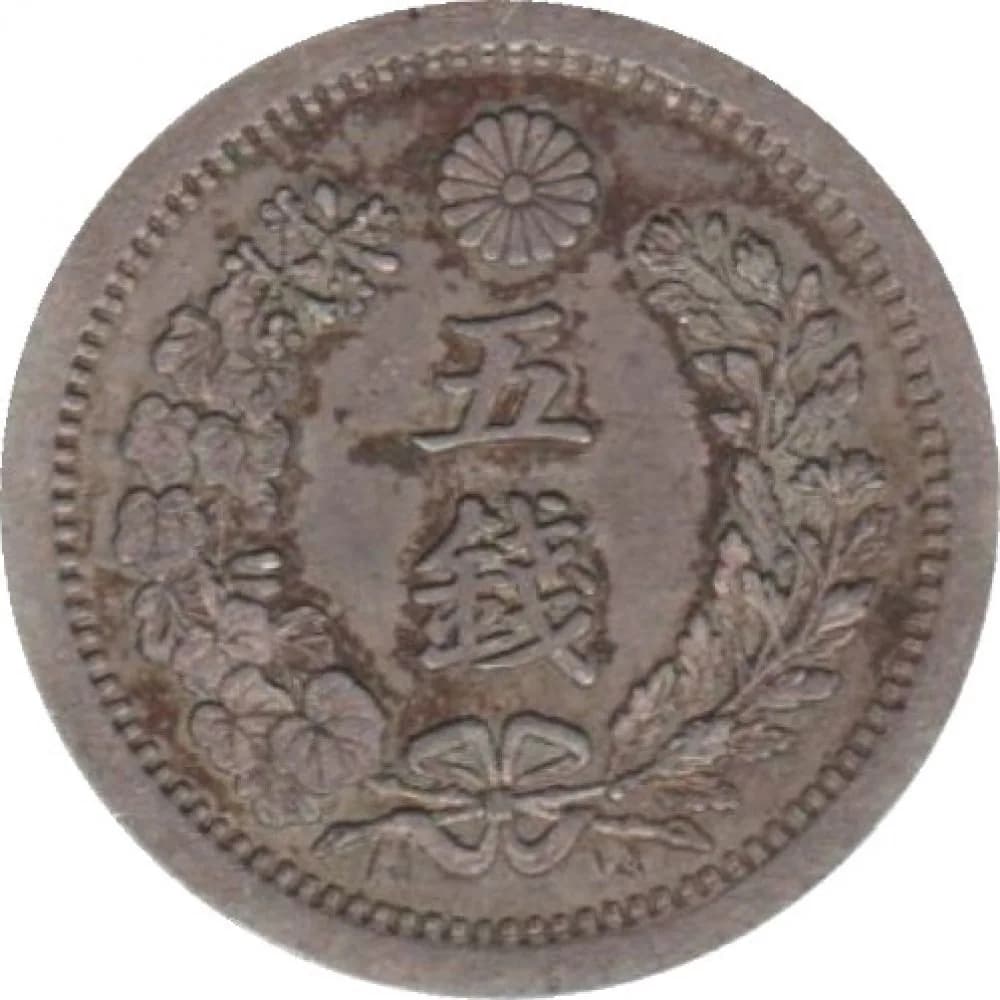
Image: Modern Japanese coinage / Coindesmonnaies / Wikimedia Commons / CC BY-SA 4.0(source)
In 1668, the mint at Sakamoto in Omi Province began operations as part of early Edo period monetary system reforms. During this time, Japan, under the stable political system established by Iemitsu after Ieyasu's death, was promoting the flow of currency by setting up regional mints. The mint at Sakamoto, as part of this initiative, was responsible for producing currency used nationwide.
Kan'ei Tsuho, a symbol of Japan's currency reforms starting in the early 1600s, was produced in various regions, but minting in Sakamoto was notably brief. The year 1668, when Sakamoto Kan'ei production began, was under the reign of Tokugawa Ietsuna, who pursued policies aimed at national stability and prosperity. To facilitate smooth currency flow, mints in various areas produced Kan'ei Tsuho with unique characteristics. Those made at Sakamoto distinctly differed from others with their unique calligraphy and size, earning them the moniker of 'phantom coin' among collectors.
Though the exact political and economic motivations for the short production period, ending in 1683, remain elusive, it's clear that shogunate policies and domestic economic conditions had significant influence. This background continues to draw interest from researchers and collectors due to the brevity of Sakamoto Kan'ei's existence.
Chapter 2: The Unique Minting Process — Techniques and Craftsmen of Sakamoto Kan'ei
Image: Modern Japanese coinage / Coindesmonnaies / Wikimedia Commons / CC BY-SA 4.0(source)
The minting of Sakamoto Kan'ei was conducted at the Sakamoto mint in Omi Province, involving advanced techniques and the efforts of skilled craftsmen. In 1668, under shogunate directive, the Sakamoto mint began producing its unique Kan'ei Tsuho. While the basic minting process using molds was similar to other mints of the Edo period, Sakamoto Kan'ei's design was particularly distinctive.
Craftsmen at the Sakamoto mint were skilled technicians directly instructed by the shogunate. They employed unique techniques in addition to standard molds to produce Kan'ei Tsuho differing in calligraphy and size from other mints. The calligraphy, markedly different from other minted coins, demonstrated meticulous attention to detail, making the minting process of Sakamoto Kan'ei an art form.
Copper, primarily sourced from nearby regions in Shiga Prefecture, was a precious metal in Japan at the time. The craftsmen at the Sakamoto mint strived to produce high-quality coins within a limited timeframe, their skills and efforts making them invaluable to present-day coin collectors.
Despite technical limitations of the time, creative solutions were evident throughout the minting of Sakamoto Kan'ei, supporting its rarity and high appraisal today.
Chapter 3: Circulation Reality of Sakamoto Kan'ei — Economic Impact and Public Perception
Image: Modern Japanese coinage / Coindesmonnaies / Wikimedia Commons / CC BY-SA 4.0(source)
The period from 1668 to 1683, during which Sakamoto Kan'ei was minted, saw significant changes in Japan's currency system. Minted at Sakamoto in Omi Province, Sakamoto Kan'ei circulated nationwide, but in minimal quantities, with existing numbers being exceedingly limited. Although precise records are few, it is clear that its circulation was limited.
Sakamoto Kan'ei's circulation reflected the economic conditions of the time. In early Edo, Japan was transitioning from an agriculture-based economy to a monetary economy. Increased currency supply energized markets and commercial activities. However, due to its unique design and brief minting period, Sakamoto Kan'ei was likely a rare sight for the general populace.
A merchant's diary mentions that when Sakamoto Kan'ei appeared in the market, rumors of 'a rare coin arriving' circulated. These rumors attest to its rarity, making it a topic of interest even among common folk. During Edo, trust in mint-issued currency was paramount, and coins with unique designs like Sakamoto Kan'ei sometimes faced skepticism.
Economically, the limited circulation of Sakamoto Kan'ei suggests its impact was modest. Still, it was highly valued among collectors, with its worth reassessed as late as the Edo period's end. Though many mysteries remain about its circulation, they only add to the allure of this currency.
Chapter 4: Sakamoto Kan'ei's Influence on Later Generations — Recasting and Modern Appraisal
Image: Modern Japanese coinage / Coindesmonnaies / Wikimedia Commons / CC BY-SA 4.0(source)
Post-1683, when Sakamoto Kan'ei minting ended, Japan's currency system further evolved. Coins like Sakamoto Kan'ei, limited to specific regions, were gradually replaced by standardized formats nationwide. During the Genroku era (1688-1704), the recasting of gold and silver coins marked an effort to unify and stabilize currency. However, Sakamoto Kan'ei's uniqueness and rarity remained a significant allure for later generations of collectors.
Compared to other regions' Kan'ei Tsuho, Sakamoto Kan'ei stands out for its unique design and short production period. In modern numismatic markets, its rarity commands high esteem, leading to fierce competition among collectors. Especially as its authenticity is challenging to determine—requiring expert appraisal—its value increases further.
In contemporary times, Sakamoto Kan'ei is regarded as more than an antique coin but an artifact of historical value. For example, in a 2020 auction, a well-preserved Sakamoto Kan'ei fetched over 500,000 yen. Such phenomena reflect its recognition as historical cultural property rather than just currency.
Rare coins like Sakamoto Kan'ei will likely continue to maintain their value. To modern collectors, Sakamoto Kan'ei is remembered as a 'phantom coin,' its very existence engraved as part of history.
Value & Rarity
Sakamoto Kan'ei is highly esteemed in the antique coin market due to its rarity and historical value. Minted only between 1668 and 1683, its limited existing number classifies it as a 'phantom coin' among collectors. In the market, due to its preservation status and the difficulty of authenticity verification, Sakamoto Kan'ei typically trades for several tens of thousands of yen. Especially those in good condition and verified as genuine by expert appraisal command higher prices.
Sakamoto Kan'ei derives its value from the unique design attributed to the Sakamoto mint. Its calligraphy and size differ from other regions' Kan'ei Tsuho, captivating collectors. Moreover, the difficulty of authenticity appraisals means those evaluated by experts fetch high market valuations. Learning to Identify Fakes and Altered Goods is also an important skill for collectors.
Thus, Sakamoto Kan'ei is considered highly valuable in the antique coin market, making it an attractive subject for collectors and history enthusiasts. Its rarity and uniqueness will likely continue to enhance its value.
Related Guides: Details of Kan'ei Tsuho / Checking Auction Prices for Antique Coins
Conclusion
Sakamoto Kan'ei, known as the 'phantom Kan'ei Tsuho' minted for a short period in early Edo, is esteemed for its uniqueness and rarity even today. Reflecting political and economic conditions of the time and technological challenges, it holds value beyond that of an ordinary coin, seen as historical cultural property. The skills of the craftsmen at the Sakamoto mint and their unique design remain significant attractions for modern collectors.
By understanding these historical aspects, we gain a deeper insight into Japan's past currency systems and economic transformations. Sakamoto Kan'ei is recognized as a narrative beyond just currency, continually acknowledged for its historical value. In the world of antique coin collecting, rare coins like Sakamoto Kan'ei are symbols of history and culture, capturing the fascination of many.
Related Stories
Fujushanpō — The End of Kōchōsen
The Story of the Fifth Kōchōsen Issued by Emperor Saga: Its Rise and Fall
Coin StoryKan'ei Tsuho Tetsusen — The Unorthodox Currency Born from Copper Shortage
A Historical Scene Where Edo-period Minting Techniques and Economic Struggles Intersected
Coin StoryKan'ei Tsūhō — "Japan's Longest-Lived Coin" in Circulation for 230 Years
The history of the hole coin that continued to be used from the unification of Edo coinage in Kan'ei 13 (1636) to Meiji
Dealers
Dealers Handling This Category
A reference when considering a sale or appraisal. All are dealers and auction houses with a proven track record.
Japan Coin Auction (JCA)
Tokyo
Holds regular auctions with reliable hammer price data, making it a useful resource for tracking market values. Caters to a wide range of collectors from beginners to advanced buyers.
Osaka Numismatic Auction
Osaka
A Kansai-based coin auction house with particular strength in regional and hole coins.
Ginza Coins
Ginza, Chuo-ku, Tokyo
One of Japan's most established numismatic dealers. The scale and variety of their regular auctions is among the largest in the country. Their catalogs are considered a benchmark for market pricing.