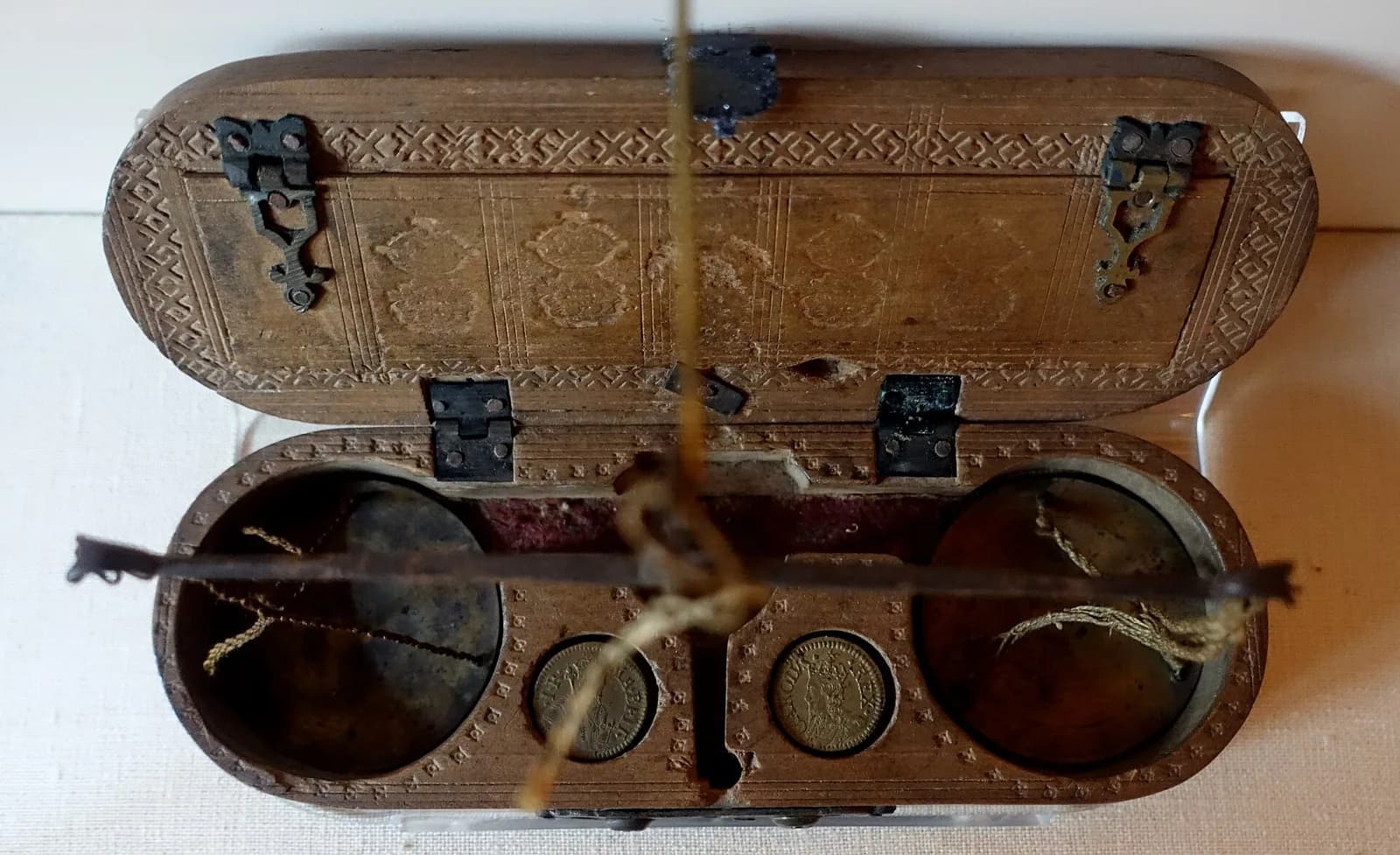
Did you know that Japanese old coins are now catching the keen eye of collectors worldwide? Why have overseas buyers found so much value in Japanese old coins? This is due to significant changes in the international coin market.
The International Market Value of Japanese Old Coins Targeted by Overseas Buyers and the Formation of Market Trends
In recent years, Japanese old coins have drawn considerable attention from international collectors and investors due to their rarity and historical value. Previously, the trade of Japanese old coins was mainly centered on the domestic market, but now they are frequently sold for high prices at major foreign auction houses. This is not merely a temporary trend but results from a complex interplay of factors such as international asset diversification and the booming Asian market.
Especially, gold coins issued since the Meiji era and historic currencies symbolizing the Edo period, like koban and chōgin, have seen a marked increase in demand from affluent overseas individuals and institutional investors, thanks to their intricate designs and verifiable provenance. At ITTENDO, we delve into these international market trends and convey the true value of Japanese old coins and the logic of market formation to our readers.
Evaluation and Market Trends of Japanese Old Coins in the International Market
In recent years, the evaluation of Japanese old coins in the international market has been remarkable. Since 2020 in particular, the worldwide easing of monetary policy and the accompanying heightened concerns about inflation have spurred interest in investing in tangible assets. As a result, funds have flowed into alternative assets like art and antique coins, with Japanese old coins also benefiting from this trend.
A specific example includes cases where Meiji Era 20 yen gold coins (Meiji 3 issue) were sold at prices ranging from several tens of millions of yen to over ¥100 million at sessions held by major American auction houses. Gold coins like Tenpō koban and Genroku koban from the Edo period also fetch prices far exceeding expectations due to their historical background and scarcity. These high auction prices clearly indicate that Japanese old coins are establishing their status not just as collectors' items but as internationally recognized collectibles.
The strong interest of wealthy individuals from China and Southeast Asia in Japanese culture and history cannot be ignored, as their strong purchasing power drives the market. They purchase Japanese old coins not only for collection but also as a part of asset preservation. This movement brings new liquidity to the Japanese old coin market and is a factor in driving up the overall price level. At ITTENDO, we objectively analyze these trends by checking the price trends with market charts.
"Why Has This Happened?" Analyzing the International Value of Japanese Old Coins from Multiple Perspectives
For Beginners: Elements Determining the Value of Old Coins
The value of old coins is not determined merely by their appearance or materials. The three most important elements are "rarity", "condition", and "historical background". For example, even coins that appear similar, as seen in A Detailed Explanation of Hole Coins (Kan'ei Tsūhō, Tenpō Tsūhō), can have their values greatly influenced by differences in production years, mints, or unique character arrangements (substitute pieces). Kan'ei Tsūhō from the Edo period were issued in large numbers; however, rare substitute pieces manufactured in limited quantities at specific branches can be traded at prices incomparable to general items.
The condition significantly affects the value of old coins. Coins in nearly unused condition (mint state), even if a type with a large issuance, are highly valued in the market. Conversely, coins with significant wear or many scratches tend to have their value drop, even if they are rare. Therefore, when considering buying or selling old coins, understanding the criteria and interpretation of coin grading and obtaining an objective evaluation is extremely important. It is not just the aesthetic beauty, but also the stories and historical significance of the coin that captivate collectors.
For Intermediate Collectors: Supply and Demand Balance and Recent Price Trends
The rise in prices of Japanese old coins in the international market is fundamentally driven by changes in the supply-demand balance. On the supply side, old coins are already no longer being issued, meaning their total quantity is limited. In particular, the supply of rare old coins in good condition will never increase. On the demand side, with world economic growth, new wealthy individuals are emerging, and they are turning their attention to old coins as an alternative asset. This imbalance in supply and demand is the main factor driving up prices.
Recently, there has been a noticeable price increase in high-grade coins (MS65 or higher) within the modern gold and silver coins (Meiji to Shōwa) overview. For instance, Meiji-era dragon 20 sen silver coins or rising sun dragon 50 sen silver coins graded MS65 and above have, on average, shown a price increase of over 20% over the past five years. This is due to the growing trend among global collectors to seek coins in the highest possible condition. Old coins with specific themes, such as those featuring lucky motifs like "dragon" or "phoenix", are especially popular among Asian buyers, often commanding higher premiums. By viewing ITTENDO’s Heat Map by Category, one can easily grasp which categories are currently the most active.
For Advanced Collectors: International Capital Inflow and Price Formation Logic
The price formation of Japanese old coins in the international market is closely tied to global capital flows, extending beyond just the hobby domain of collectors. Recently, it has become increasingly common for wealthy overseas individuals and institutional investors to include old coins as part of their portfolios. They regard old coins, which have price movements different from traditional asset classes like stocks and real estate, as a means of risk diversification. Especially in a weak yen phase, Japanese old coins become an attractive investment target for overseas buyers purchasing in dollars since they can benefit from the weak yen and anticipate future profits from resale in a stronger yen phase.
By setting up specialized sessions for Japanese old coins, international auction houses draw more participants into the market, intensifying price competition. In these auctions, fees, exchange rates, and transportation costs are also factored into the price, leading to a price logic distinct from the domestic market. For example, A Detailed Explanation of Edo Gold Coins (Koban, Ōban) and A Detailed Explanation of Edo Silver Coins (Chōgin, Mameitagin) tend to fetch high prices internationally due to their historical rarity and perceived value as "Japanese cultural heritage". Market participants decide prices not only on the scarcity of the old coins but also considering their cultural and historical backgrounds, as well as international liquidity.
Interpreting International Market Trends from Price Charts
The price charts offered by ITTENDO are essential tools for understanding the price trends of Japanese old coins in the international market. When viewing charts, it's important to focus on the "median price" first. Extreme highs or lows may occur due to the enthusiasm of specific collectors or transactions involving Fake and Processed Item Identification. Therefore, the median price serves as an indicator that shows a price closer to reality.
Distinguishing between "thinly traded" categories and those based on "real demand" is also important. In categories with fewer transactions (thinly traded), even small transactions can cause significant price fluctuations. Buyers need to be careful as a particular buyer may drive prices up, or conversely, release them at low prices. On the other hand, categories with many transactions and stability are considered to have well-formed markets based on real demand. Old coins traded at stable price ranges tend to have high liquidity, making future sales easier. By deciphering trend lines on charts and comparing past data, you can develop the ability to objectively determine which phase the current market is in.
Common Mistakes Beginners Make in International Markets and How to Avoid Them
When trading Japanese old coins in the international market, there are several common mistakes beginners make. The most typical mistake is “being lenient on grade evaluation” due to insufficient awareness of the standards and interpretation of coin grading. Even if coins are judged as excellent domestically, they may be rated lower by international standards, resulting in selling at a lower price than expected or purchasing subpar items at a high price.
Next, "insufficient verification of authenticity" poses a significant risk. Particularly with high-value old coins, there are intricate Guides for Identifying Counterfeits available in the market. Unless you have a certificate from a reliable appraisal organization, avoid making purchases too readily. "Forex risk" must also be considered in overseas auctions. If the exchange rate changes significantly between the time of purchase and sale, this would directly impact profits or losses. Overseas auction fees are often higher than domestic ones, and including shipping costs and customs duties can incur costs beyond expectations. It is essential to thoroughly check these hidden costs beforehand. Don't neglect information gathering, and actively seek advice from trusted professionals.
ITTENDO's Conclusion: Smartly Evaluating Japanese Old Coins in International Markets
To smartly evaluate and trade Japanese old coins in international markets, firm knowledge and an objective judgment axis are essential. As recommended by the editor-in-chief of ITTENDO, start with "categories that have an established international evaluation and a rich history of transactions".
Specifically, among the Modern Gold and Silver Coins (Meiji to Shōwa) Overview issued from the Meiji Era to the early Shōwa Era, coins graded MS63 to MS64 are currently traded at relatively stable prices, making them easy to enter for beginners. These grades remain at a considerable price gap compared to the top grades of MS65 or MS66, with potential for future value appreciation. Coins frequently traded in international auctions have the advantage of liquidity and are easier to cash in urgently.
At ITTENDO, historical auction records and market charts are made available so that you can track "the now" of old coins. Continuously obtaining the latest information and analyzing the market with a calm eye will be the first step to success.
Structural Entry Factors for Overseas Buyers
Several structural factors underlie the continuous entry of overseas buyers into the Japanese old coin market. The first is exchange rate trends, where a weak yen directly enhances overseas buyers' purchasing power. The second is the permeation of grading standards, as discussed in Evaluation of Japanese Coins by PCGS & NGC, which make it easier for overseas buyers to enter. The third is the institutional establishment of cultural property investments, creating an environment increasingly conducive to acquiring Japanese old coins by overseas collectors.
Evaluation of Japanese Old Coins in Overseas Markets
Japanese old coins in overseas markets exhibit varying characteristics depending on the category. Edo period gold coins tend to be evaluated for their artistic value, whereas modern gold coins are more inclined towards being investment assets.
Comparison of International and Domestic Prices
The price gap between the international and domestic markets varies depending on the brand and timing. A combination of factors such as exchange rate fluctuations, differences in circulation volume, and overseas collectors' preferences forms the price gap. Applying the three perspectives of market analysis discussed in Correct Interpretation of Coin Market Charts to international comparisons deepens structural understanding of the market.
Collector Strategies in the Global Age
In the rapidly globalizing Japanese old coin market, individual collectors can adopt multiple strategies. There are options to focus activities on domestic auctions, participate in overseas auctions, or use both. Each has different risk and return characteristics. Combining it with the characteristics of overseas markets discussed in Japanese Old Coins Targeted by Overseas Buyers — Value and Market in the International Arena is recommended for establishing a personal strategy.
Utilizing International Certification Agencies
For overseas buyers acquiring Japanese old coins, evaluations by international certification agencies are utilized as a prerequisite. As discussed in PCGS/NGC Grade Reevaluation, it is becoming a basic requirement for international market participation.
Connection to Cultural Property Repatriation Movements
Although these phenomena may appear contradictory, they are actually advancing within a shared context of expanding international recognition of Japanese old coins. In the long term, collaborative relationships are forming between overseas collectors and Japanese collectors and researchers.
Characteristics of Overseas Buyer Demographics
Overseas buyers can largely be divided into three regions: North America, Europe, and Asia. North American buyers participate through major auction houses such as Heritage Auctions and Stack's Bowers, with a strong inclination for long-term holdings. European buyers, extending traditional collecting culture, are interested in Japanese old coins, emphasizing their value as cultural properties. Asian buyers (especially from China, Korea, and Taiwan) have rapidly increased their participation in recent years and, due to cultural proximity, have a strong interest in Japanese old coins.
Exchange Rates and International Transactions
Exchange rate trends directly affect overseas buyers' purchasing power. A weak yen strengthens overseas buyers' effective purchasing power, while a strong yen has a weakening effect. Long-term exchange rate trends significantly influence overseas buyers' entry patterns. In market analysis, the relation to exchange rate trends explained in Correct Interpretation of Coin Market Charts is a critical perspective.
Summary
Utilization of Overseas Markets
The entry of overseas buyers is a crucial structural factor supporting the development of the Japanese old coin market. By continuously following trends in the overseas market, domestic collectors can broaden their collection strategies. By learning in combination with Basic Knowledge of Coin Auctions and Risk Management in Coin Investing, strategic collection activities in the global era can be practiced.
Market Participation in the Global Era
Participating in the market with awareness of overseas buyers is a prerequisite for collector activities in the 21st century. By following not only domestic but also international market trends, the breadth and depth of collection strategies can be expanded.
Dialogue with the International Market
The phenomenon of Japanese old coins being targeted by overseas buyers is also evidence that Japan's monetary culture is highly regarded internationally. All collectors, market participants, researchers, and museum staff, while leveraging such international evaluations, should ensure the cultural property value of Japanese old coins is securely passed down to the future, a significant endeavor in the 21st century. By combining Basic Knowledge of Coin Auctions and Risk Management in Coin Investing, strategic collection activities in the global era can be practiced.
International market participation can greatly expand the possibilities of collector activities. As the cultural property value of Japanese old coins is recognized worldwide, collectors, through cross-border intellectual exchange, can reassess the significance of their collection activities. Seen as an endeavor for long-term cultural property inheritance, collector activities in the global era deepen.
Let this article's discussions be a starting point for developing the habit of continuously following trends in overseas markets. An international perspective is an indispensable element in building cultural property collections over the long term.
The advent of an era when collector activities are carried out on an international perspective is also the advent of an era when the cultural property value of Japanese old coins is recognized worldwide. A stance of deepening dialogue with cultural property over the long term becomes the essence of collector activities in the coming era.