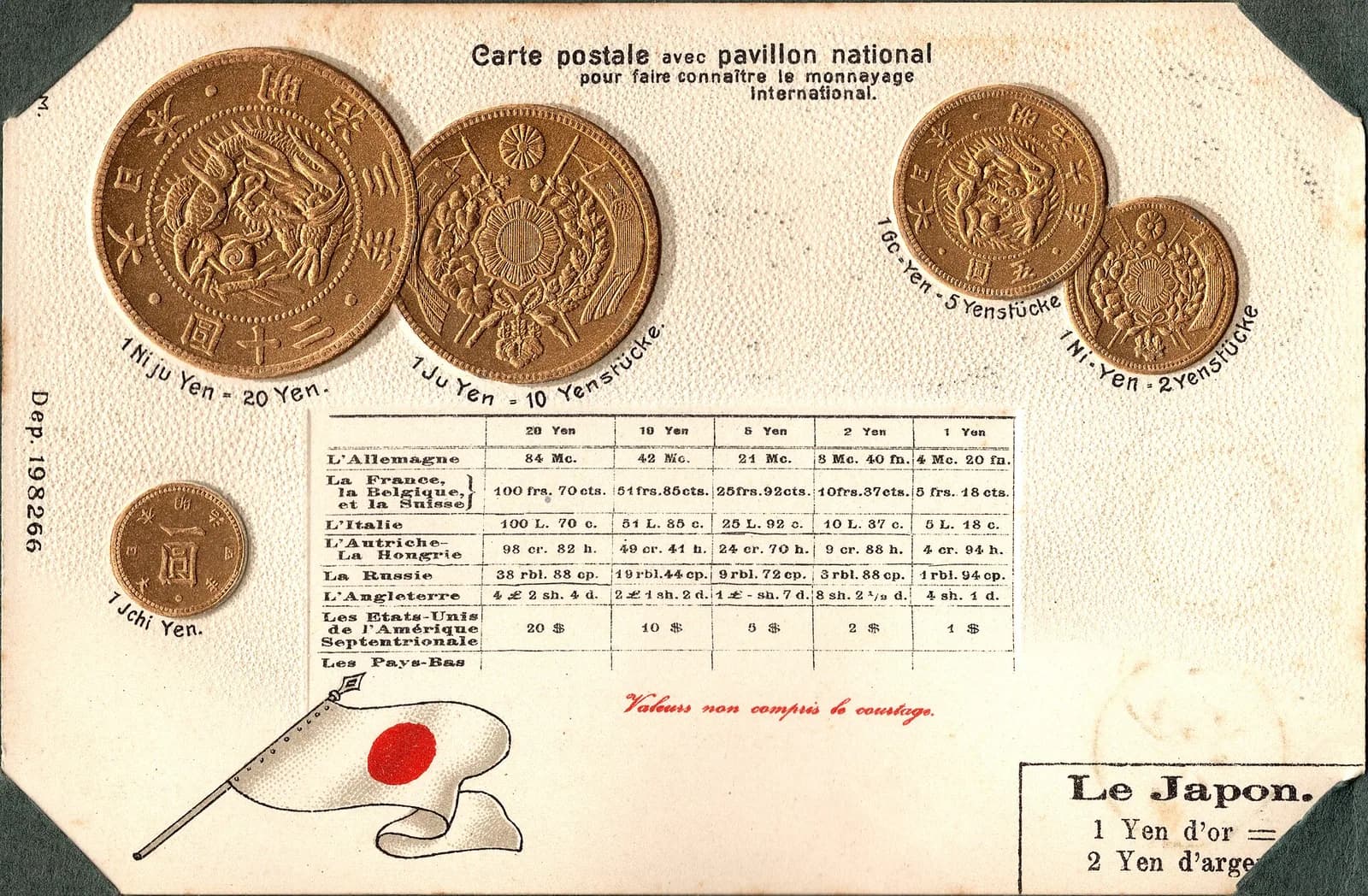
Posting photos of ancient coins on social media has become one of the pleasures of coin collecting. Not only can you receive reactions from fellow enthusiasts, but you may also gather unexpected information and appraisal hints. However, as the community has grown, "careless mistakes" have become more noticeable. In this article, based on case studies collected by the ITTENDO editorial team, we organize five points to keep in mind when posting ancient coin photos on social media.
Point 1: Check That No Personal Information Appears in the Background
The most common issue is when mail, receipts, or delivery slips appear in the background when a coin is placed on a table for photography. If an address or name is legible in a posted photo, personal information is inadvertently made public.
There is also a risk that a social media account can be linked to a real home address when the interior of a home (distinctive furniture, window shapes, wall posters) or the arrangement of other parts of a collection is visible. From a security standpoint, care must be taken to ensure that outsiders cannot determine "where you live and what high-value items you own."
Recommended countermeasures:
- Use a plain cloth or tray as a background
- Before posting, zoom into the thumbnail and visually check the background
- Use the "grid display" on your smartphone camera app to frame shots consciously
Point 2: Be Careful About the Timing of Posts Featuring High-Value Coins
Posting on the same day as "I just won this at auction!" is a natural desire to share excitement, but it can heighten security risks. Because high-value auction records can also be checked in the Auction Hammer Price Records, if a winning bidder is linked to a social media account, the information that "this person owns this coin" becomes known to outsiders.
Photos that suggest a storage location (a home safe, a collection rack, etc.) present the same risk. Particularly when handling pieces in the high-value range covered by the Market Report (Edo Period), extra care should be taken with the timing and content of posts.
Practical guidelines:
- Wait several weeks to one month or more after acquiring an item before posting
- Focus the post on "the item's characteristics and highlights" rather than "how it was acquired"
- If you are considering storage outside the home, such as a bank safe deposit box, please also refer to the Dealer & Storage Service Directory
Point 3: Do Not Repost Others' Photos or Images Without Permission
Even a well-intentioned post such as "I shared this photo because it was easy to understand" still means that copyright belongs to the original photographer. Reproducing lot photos taken by auction houses, or diagrams and comparison images created by specialists, without permission can constitute copyright infringement.
The same applies to articles and images from Coinpedia (Japanese Ancient Coin Encyclopedia). When quoting ITTENDO content, cite the source and keep the quotation within appropriate bounds. Reposting entire texts or all images should be avoided; introducing content via a link is becoming established as proper etiquette.
Guidelines:
- Always obtain permission in advance if you wish to use someone else's photo
- Cite the source even when using auction photos as "reference images"
- The principle is: if it feels like a "gray area," don't use it
Point 4: Do Not Take "Price Information" on Social Media at Face Value or Spread It Further
On social media, price information such as "this coin is worth ○○ yen" or "prices have been rising sharply lately" circulates widely, but it is not uncommon for figures without any basis to take on a life of their own. Even if the person sharing the information is acting in good faith, if the price they are referencing is outdated or does not account for grade (condition), it can become a breeding ground for the spread of a mistaken sense of market values.
Criteria for reliable price information:
- Actual hammer prices (checkable in Auction Hammer Price Records)
- Specialist media such as regularly updated Market Reports
- Direct consultation with a qualified, experienced ancient coin specialist dealer
If you want to verify a price range yourself, or if you are considering bringing a coin in for appraisal, it is most reliable to contact a specialist via the Appraisal & Purchase Inquiry Form. It is also important to note that "sold for ○○ yen" figures on social media often do not include fees, insurance, or packaging costs.
Point 5: Delete Exif Information (Metadata) from Photos
Photos taken with a smartphone often have GPS location information embedded in the Exif data, in addition to the date and time of shooting and the device model. Many social media platforms automatically strip Exif data upon posting, but not all platforms do so, and if you share the original file directly—such as by sending it via DM or posting a Dropbox link—the location information is passed along with it.
If you shoot at home, the location information will point directly to your home address. Combined with Points 1 and 2, please manage the overall risk of "where you live and what you own" being leaked.
Methods to delete Exif data (as of 2026):
- iPhone: Photos app → Share → Options → Turn off "Location" before sending
- Android: Depends on settings, but when sharing via Google Photos, select "Remove metadata"
- PC (Windows): File Explorer → Properties → "Remove personal information"
- Third-party apps: ExifTool (free, cross-platform) is the standard choice
To Enrich the Community
Sharing information on social media has significant positive aspects: it promotes knowledge exchange among collectors and increases market transparency. In fact, there have been multiple reported cases where photos published on social media sparked discussion about authenticity and helped prevent the circulation of counterfeits.
Coinpedia (Japanese Ancient Coin Encyclopedia) has also accumulated authentication points that can be identified from the details in photographs. There is no doubt that collectors' careful photo posts contribute to the formation of this collective knowledge.
For that very reason, it is important to develop safe and sustainable posting habits. The five points above should not be seen as rules that interfere with enjoyable social media activity, but rather as self-protective measures for continuing as a collector over the long term.
Risk Management for SNS Posts
When posting photos of ancient coins on social media, risk management is an important consideration. The first risk is the leakage of location information: it is necessary to avoid having addresses or personal information appear in the shooting background. The second is the disclosure of ownership information: explicitly indicating ownership of high-value ancient coins may increase the risk of theft. The third is the handling of appraisal information: the information on appraisal certificates must be handled with care.
Basics of Photo Shooting
There are several basic principles for photographing ancient coins. The first is lighting: use natural light or dedicated lighting to shoot so that the color of the metal is accurately represented. The second is background selection: using a plain background makes the details of the coin stand out. The third is resolution: it is recommended to shoot at a high resolution that allows the details to be confirmed. It is also important to choose a shooting angle that shows the condition of the coin, with an awareness of the grading system covered in Grading Standards and How to Read Them for Ancient Coins.
Contributing to the SNS Community
Posting photos of ancient coins on social media has the aspect of contributing to the collector community. It fulfills roles such as information sharing, mutual learning, and educating newcomers. On the other hand, there are also risks such as the spread of inaccurate information, the legitimization of fakes, and market disruption. It is recommended to be mindful of the authentication basics covered in The Basics of Identifying Fake Ancient Coins and to strive for accurate information dissemination.
The Five Points of Posting Etiquette
Here we organize the five points of etiquette for posting ancient coins on social media. The first is protection of location information, the second is careful disclosure of ownership information, the third is accurate display of appraisal information, the fourth is consideration for other collectors, and the fifth is restraint from commercial use. By being mindful of these five points, you can contribute to the healthy development of the collector community.
Copyright and Portrait Rights
Photos of ancient coins also have legal aspects such as copyright, portrait rights, and ownership rights. Photos of items you own yourself are not a problem, but photographing items owned by museums or other parties requires appropriate permission.
Interacting with Fellow Collectors
Social media is an important means of interacting with fellow collectors. You can connect with collectors in the same area of interest, exchange information, and learn from each other. The image of the coin collector in the digital age covered in The Image of the 21st-Century Coin Collector represents a new collecting style that includes community participation through social media.
The Long-Term Significance of Posting
Posting ancient coin photos on social media has long-term significance beyond short-term information sharing. It fulfills roles such as recording collections, raising awareness of cultural assets, and passing on collector culture. Alongside the physical storage covered in Practical Guide to Storing Ancient Coins and Managing Humidity, the role of social media as a collection record for the digital age is also important.
Recording Cultural Assets in the Digital Age
Photos of ancient coins posted on social media also function as records of cultural assets in the digital age. They have multifaceted significance not only as personal archives for individual collectors, but also as information sharing among fellow collectors, education for newcomers, and the provision of primary information to researchers. Social media plays an important role within the image of the digital-age coin collector covered in The Image of the 21st-Century Coin Collector.
International Collector Exchange
Social media is also an important venue for international collector exchange. Activities such as direct interaction with overseas collectors, sharing information about overseas auctions, and global market analysis have become routine through social media.
The Social Significance of SNS Manners
Etiquette for posting ancient coins on social media has social significance that extends beyond individual collector activity. Multifaceted contributions such as raising awareness of cultural assets, passing on collector culture, educating newcomers, and stimulating international interest in Japanese ancient coins are realized through appropriate use of social media. By disseminating through social media the auction market trends covered in Basics of Ancient Coin Auctions and the grading system covered in Grading Standards and How to Read Them for Ancient Coins, you can contribute to the development of the entire numismatic community.
Collector Culture in the Digital Age
Collector culture in the digital age unfolds across multiple layers of platforms: social media, online auctions, digital archives, and specialist media. Social media plays a central role within the image of the digital-age collector covered in The Image of the 21st-Century Coin Collector. Understanding the points of this article in conjunction with that image allows the role of social media to come into sharper, more three-dimensional focus.
Supplementary Conclusion
The development of collector culture in the social media age is supported by both individual collectors' awareness of manners and the autonomous formation of norms across the community as a whole. It is hoped that the practice of social media etiquette will spread as part of the long-term endeavor of passing on cultural assets.
Summary
| Point | Risk | Countermeasure |
|-------|------|----------------|
| Personal information in background | Exposure of address/name | Shoot with plain background; check before posting |
| Immediate posting of high-value coins | Security risk; becoming a target | Post several weeks to one month later |
| Unauthorized reposting | Copyright infringement | Obtain permission; keep within quotation limits |
| Spreading unsubstantiated price information | Market disruption; misconceptions | Refer to official records and specialist information |
| Exif location data | Identification of home address | Delete metadata before sharing |
The social media community for ancient coin collecting can only thrive over the long term if proper etiquette is maintained. ITTENDO supports healthy information exchange among collectors and will continue to provide a reliable information foundation through Coinpedia and Market Reports.
Collectors in the SNS Age
Social media has become an important aspect of collector activity in the twenty-first century. Using it with an awareness of etiquette greatly expands the enjoyment of collecting. Combined with the methods for participating in the auction market covered in Basics of Ancient Coin Auctions, comprehensive practice of modern collector activity becomes possible.
The Essence of SNS Manners
The essence of etiquette for posting ancient coins on social media is respect for fellow collectors and responsibility toward cultural assets. By observing proper etiquette, the enjoyment of collecting expands greatly and you can contribute to the long-term development of the community. Each and every post becomes a small step in the preservation and dissemination of cultural assets.
SNS and the Preservation of Cultural Assets
Posting ancient coins on social media is part of the endeavor of preserving cultural assets in the digital age. By using social media with proper etiquette, an individual collector's activity deepens into a form that contributes to the development of coin culture as a whole. The multifaceted contributions of information sharing among fellow collectors, support for newcomers, dissemination of cultural assets, and international collector exchange are realized through the appropriate use of social media. It is hoped that understanding and practicing social media etiquette will spread as the standard for collector activity in the coming era.
The Future of Manner Guidelines
Etiquette guidelines for ancient coin social media are an important aspect of twenty-first-century collector culture. Ongoing discussion and refinement is expected to continue. Through multilayered activities such as information sharing among fellow collectors, discussion in specialist communities, and the issuance of guidelines by industry groups, etiquette guidelines will come to be shared socially. Alongside the auction market etiquette covered in Basics of Ancient Coin Auctions, social media etiquette is also a continuously evolving topic.
The Development of Collector Culture in the SNS Age
The development of collector culture in the social media age is advancing on multiple levels simultaneously. Individual collector activity, the formation of specialist communities, the issuance of guidelines by industry groups, interaction with researchers, and collaboration with overseas collectors—all of these unfold on the common foundation of social media. Understanding the points of this article in conjunction with the image of the digital-age collector covered in The Image of the 21st-Century Coin Collector allows the role of social media to come into sharper, more three-dimensional focus.
Posting photos of ancient coins is an important means of sharing the enjoyment of collecting. By using social media with proper etiquette, both individual collectors and the community as a whole develop richly.
The practice of social media etiquette is not only an activity that raises the quality of an individual collector's activity, but also a social endeavor that contributes to the development of the community as a whole. The preservation and dissemination of coin culture is supported through multifaceted activities including information sharing among fellow collectors, support for newcomers, and exchange with overseas collectors.
The relationship between social media and ancient coin collecting is a theme that will continue to develop going forward. Let us each realize, within our own activities, the fusion of new technology and traditional collector culture. It is an era in which the breadth and depth of collecting activity are expanding ever further.
Balancing the enjoyment of collecting with social responsibility is the attitude required of collectors in the social media age. Mindful posting supports the foundation for healthy engagement with cultural assets.
The endeavor of disseminating coin culture through social media is one of the new roles of twenty-first-century collectors. Let us contribute to the preservation and development of collector culture through activities conducted with an awareness of proper etiquette.
Developing the habit of posting ancient coins on social media with etiquette in mind has a positive influence on both individual collectors and the community as a whole. The small accumulation of daily efforts supports the long-term development of collector culture.
Posting on social media is an important opportunity to place collecting activity in a broader social context. Let us share our activities while valuing proper etiquette.
Collector activity in the social media age is a rich domain that will continue to develop going forward. Each individual post becomes a small contribution that carries collector culture into the future.
While cherishing interaction with fellow collectors, let us each establish our own style of social media use. The enjoyment of participating in the development of collector culture in a new era is a rich intellectual activity that will continue for a long time to come.
We hope that the points raised in this article will serve as a reference for thinking about everyday social media use. The enjoyment of collecting deepens through just such small daily efforts and ingenuity.
The endeavor of sharing encounters with ancient coins through social media is a meaningful activity that connects collector culture to the next generation.
Disseminating coin culture is an important role of collectors.