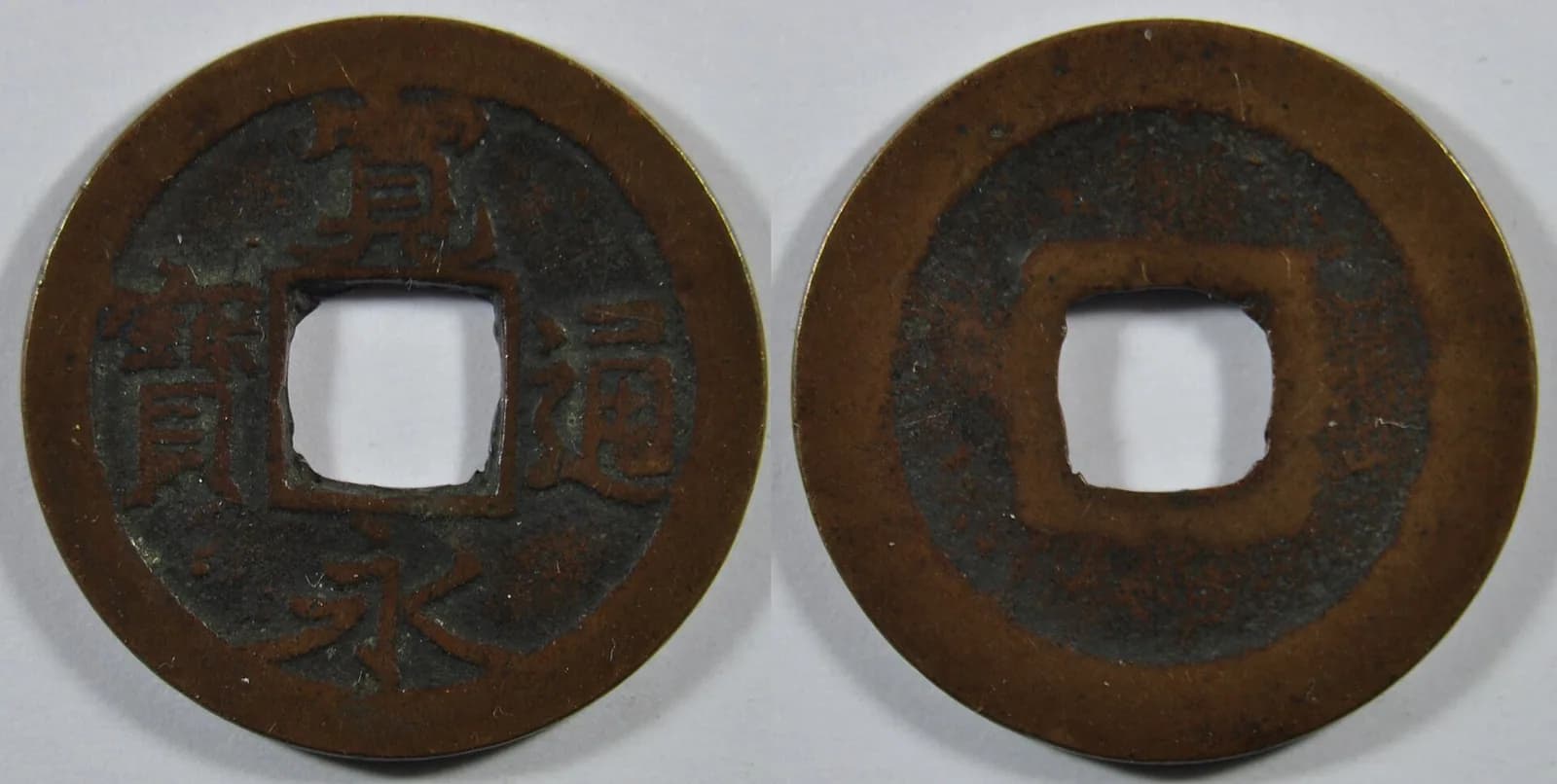
The Mechanism Behind Counterfeit Japanese Coins — Correlation Between Price and Forgery Risk
Counterfeit coins are not a rare phenomenon in the Japanese numismatic market. Rather, there exists a clear pattern: the higher the market price, the more likely a coin becomes a target for counterfeiting.
From 2023 to 2024, trading activity in high-value pieces—Edo-period koban (小判) and oban (大判) gold coins, as well as Meiji-era dragon coins (龍銭)—surged significantly. Simultaneously, authentication requests to certification bodies increased dramatically. Among these submissions, reports indicated that an unexpectedly high percentage contained counterfeits.
The reason is straightforward: counterfeiting becomes more profitable when target coins have higher market values.
Forging a coin worth 50,000 yen yields substantially more profit than forging a 500-yen piece, even with similar production costs. Consequently, counterfeiters strategically target high-value coins, creating a predictable market distortion.
Three Defining Characteristics of Coins Prone to Counterfeiting
Characteristic 1: Coins That Have Recently Surged in Price
Coins experiencing rapid price appreciation become breeding grounds for counterfeits, primarily because price spikes attract uninformed buyers unfamiliar with genuine market valuations.
The 2023 dragon coin surge exemplifies this pattern. Previously trading in the tens of thousands of yen, media coverage drove certain pieces above 100,000 yen. Subsequently, auction sites and peer-to-peer platforms flooded with "dragon coins." Authentication bodies reported that over 30% of these submissions were counterfeits.
Price surges trigger a psychological response: "I should buy now before prices rise further." Counterfeiters exploit this urgency by flooding the market with fraudulent pieces.
Characteristic 2: Coins Easy to Misjudge by Appearance Alone
Coin value depends heavily on "grade" (condition), yet beginners struggle to assess grading accurately.
Small koban coins, for instance, are frequently evaluated based on superficial appearance—golden color and engraved characters. However, authentic valuation requires expertise in gold content, engraving depth, wear patterns, and other technical factors. Beginners often mistake sophisticated counterfeits for genuine pieces based purely on visual inspection.
Particularly deceptive are coins in pristine condition. Historically, Edo-period coins surviving to the present in excellent condition are exceptionally rare. Paradoxically, exceptional preservation can signal a counterfeit rather than validate authenticity.
Characteristic 3: Coins with Limited Trading Volume (Thin Markets)
Coins with minimal transaction history create market conditions favorable to counterfeit infiltration. Price formation becomes difficult, and fraudulent pieces escape detection more easily.
Local domain coins (地方銭) issued by specific regions exemplify this vulnerability. With limited national circulation and requiring specialist authentication expertise, these thin-market coins present fewer detection risks for counterfeiters.
Market Data Analysis: Why High-Value Coins Demand Greater Vigilance
Examining price trends across the Japanese coin market reveals a revealing pattern.
Counterfeit Risk by Grade Category:
- Low-grade range (¥1,000–¥10,000): Minimal counterfeit risk. High transaction volume creates market transparency.
- Mid-grade range (¥10,000–¥100,000): Moderate counterfeit risk. Price volatility increases and attracts inexperienced buyers.
- High-grade range (¥100,000+): Elevated counterfeit risk. Limited transactions create pricing opacity.
This distribution reveals a critical principle: as coin prices increase, transaction volume proportionally decreases, creating vulnerability to counterfeit infiltration.
Major auction house statistics from 2023 documented that among coins exceeding 1 million yen, a measurable percentage failed re-authentication by certification bodies. The counterfeit rate for this category was approximately five times higher than coins under 100,000 yen.
Why Beginners Fall Victim to Counterfeits
Reason 1: Conflating High Market Price with Authenticity
Many beginners assume that high-priced coins must be genuine. This assumption inverts market reality: counterfeiters specifically target high-value pieces because profit margins justify sophisticated production methods.
The reasoning "this coin sold for 500,000 yen at auction, so it must be authentic" proves dangerously flawed. The auction itself may traffic in counterfeits.
Reason 2: Neglecting Professional Authentication
Beginners often view professional authentication as burdensome. However, for high-value acquisitions, certification is non-negotiable.
Authentication bodies employ techniques inaccessible to amateur inspection: gold content analysis, engraving geometry verification, and material composition testing. Skipping this step and later discovering counterfeit ownership represents a catastrophic financial error.
Reason 3: Pursuing "Bargain" Listings
When coins appear priced substantially below market rates, beginners experience excitement about discovering overlooked value. However, below-market pricing typically indicates a reason. Counterfeiting frequently explains the discount.
Three Authentication Checkpoints for Beginners
Checkpoint 1: Verify Transaction History
Examining past auction results, historical pricing, and transaction frequency provides the foundation for market assessment.
Platforms like Ichitendo maintain comprehensive auction history records. Verify whether a coin has undergone multiple authentication reviews, demonstrates consistent transaction volume, and exhibits stable pricing. Conversely, coins appearing exclusively on single platforms or showing isolated transactions warrant caution.
Checkpoint 2: Investigate Seller Credibility
Most auction and peer-to-peer platforms display seller ratings and transaction histories.
Evaluate:
- Does the seller maintain consistently high ratings?
- Does their transaction history demonstrate substantial coin-dealing experience?
- Do they partner with authentication bodies?
These factors indicate seller reliability. Avoid purchasing from new sellers or those with poor feedback records.
Checkpoint 3: Mandate Professional Authentication
This represents the most critical step. High-value acquisitions require certification by recognized authentication bodies.
Primary Japanese certification organizations include:
- Japan Numismatic Dealers Association (JNDA): Highest credibility for coin authentication
- Coin Authentication Centers: Specialized authentication services
- Independent certification specialists: Detailed, individualized assessment
While authentication fees range from several thousand to tens of thousands of yen, this cost pales against potential losses from acquiring counterfeit million-yen coins.
The Evolution of Counterfeiting Technology in the Market
Coin forgery techniques advance annually, creating escalating authentication challenges.
Historical Counterfeits: Visually Detectable
Counterfeits from a decade ago contained obvious flaws: incorrect gold coloration, blurred engravings, and inaccurate weight. Amateurs could identify these defects.
Contemporary Counterfeits: Expert-Level Difficulty
2020s-era counterfeits demonstrate dramatically improved sophistication:
- Gold content approximates authentic coins: Some employ genuine gold matching original specifications
- Engraving replicates Edo-period precision: Microscopic historical characteristics receive reproduction
- Weight matches authentic pieces: Balance-scale verification becomes ineffective
Such advanced counterfeits exceed casual inspection capabilities. X-ray fluorescence (XRF) analysis and microscopic examination become mandatory for reliable authentication.
Common Beginner Mistakes in Coin Acquisition
Mistake 1: Equating Platform Reputation with Safety
Major auction platforms host counterfeit listings. Site size and brand recognition bear no correlation with counterfeit absence. Paradoxically, high-traffic platforms attract counterfeiters due to transaction volume and profit potential.
Mistake 2: Self-Assessing Coin Grade
Professional grading requires specialized expertise. Beginners frequently misclassify condition, mistaking newly manufactured counterfeits for high-grade genuine pieces.
Mistake 3: Bulk Purchasing from Single Sources
Assuming "this seller appears trustworthy, so I'll purchase multiple coins" creates concentrated risk. If that seller traffics in counterfeits, multiple acquisitions likely involve fraud.
High-value purchases demand sequential, individually-authenticated acquisitions.
Ichitendo's Conclusion: For High-Value Coins, Prioritize Transaction History
Counterfeit infiltration intensifies alongside market appreciation. Coins experiencing rapid price increases or limited transaction volume require heightened scrutiny.
Three principles protect beginners from counterfeit acquisition:
- Begin with coins demonstrating robust transaction history: Higher trading volume creates pricing transparency and reduces counterfeit probability.
- Mandate professional authentication for all high-value pieces: Certification represents non-negotiable due diligence.
- Prioritize sellers with established coin-trading credentials: Extensive transaction history and high ratings provide the most practical fraud defense.
Remember: higher-value coins attract counterfeiters proportionally. Exercise corresponding caution in purchasing decisions.
Ichitendo tracks historical auction results and price charts to keep you informed about current market conditions.