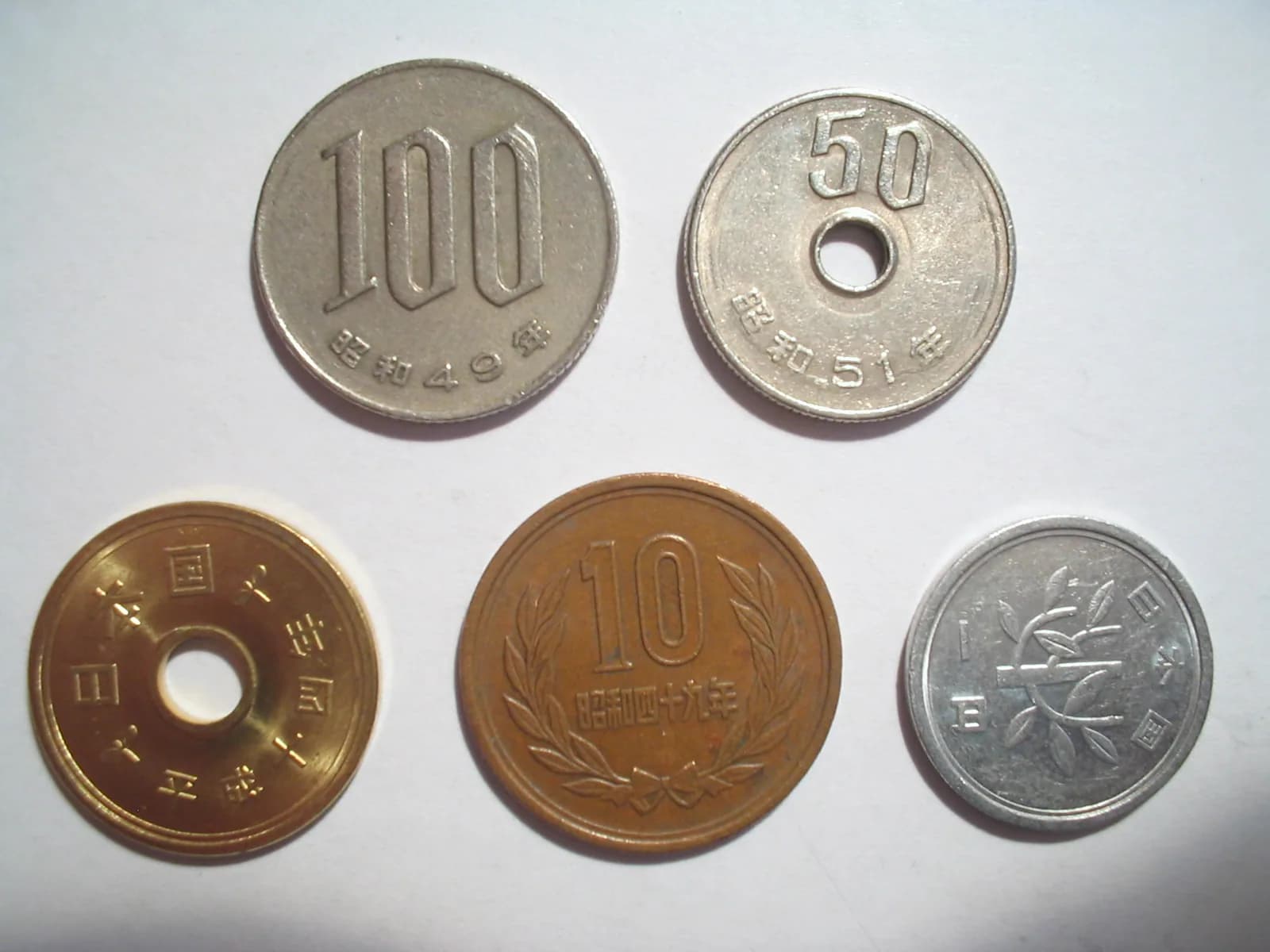
Unfortunately, counterfeits are an unavoidable companion to high-value antique coins.
A single coin that looks identical to another can differ in value as much as heaven and earth, depending on whether it is genuine or a fake.
To protect your collection, cultivate a reliable eye for authenticating coins.
News Facts: The Current State of an Antique Coin Market Prone to Counterfeits
In recent years, the circulation of counterfeits—centered on high-value items—has become a serious problem in the antique coin market. Coins with high rarity and historical value, such as gold and silver coins from the Edo period and modern gold coins from the Meiji period, tend to be prime targets for forgeries. In individual-to-individual transaction venues such as auction sites and flea-market apps, many sellers and buyers lack specialist knowledge, and cases in which counterfeits are mistakenly traded as genuine coins are not uncommon. As a result, the overall credibility of the market is undermined, and situations arise in which even genuine coins cannot be properly evaluated.
The methods used to produce counterfeits grow more sophisticated every year, and some are extremely difficult for non-experts to detect. For example, techniques for bringing the material composition closer to that of genuine coins, or for applying finishes that make a coin appear to have aged over time, have also advanced. This situation poses a significant barrier for beginners entering coin collecting, and is a challenge serious enough that even veteran collectors cannot afford to let their guard down. The existence of counterfeits leads not only to financial loss but also to the degradation of the historical and cultural value inherent in antique coins. For this reason, solid knowledge and well-informed vigilance for authenticating coins are indispensable in modern antique coin collecting.
Trends and Background Behind the Circulation of Counterfeit Coins
The higher the value of an antique coin, the more likely counterfeits are to circulate, because forgers can anticipate large profits. In particular, coins with the following characteristics tend to be easy targets for counterfeits.
[For Beginners] What Factors Determine Value? Why Coins That Look the Same Can Have Different Values
The value of an antique coin is determined by its rarity, condition, historical background, and authenticity. Even if two coins look identical, the difference in value between a genuine piece and a fake can be as extreme as zero versus infinity. For example, the Keichō Koban (慶長小判) and Man'en Koban (万延小判) that circulated during the Edo period vary greatly in value depending on their period of issue, gold fineness, and the number of surviving examples. However, many counterfeits exist of these popular koban. Counterfeits are made to imitate the design of genuine coins, but differences arise in the materials, manufacturing techniques, and the rendering of fine details. The first thing beginners should know is the fact that the higher the price at which a coin trades on the market, the greater the incentive to produce counterfeits. For this reason, it is important never to jump at an unreasonably low price and to always maintain a skeptical eye toward authenticity.
[For Intermediate Collectors] Supply and Demand, Recent Price Trends, and Rarity Within Grade Bands
The circulation of counterfeits greatly distorts the supply-and-demand balance of the market. When large quantities of counterfeits that are difficult to distinguish from genuine coins flood the market, an oversupply situation arises, which can also adversely affect the price formation of genuine coins. In particular, coins with rarity concentrated in a specific grade band are frequently targeted by sophisticated counterfeits aimed at that segment. For example, coins such as the Old ¥20 Gold Coin (旧20円金貨) issued during the Meiji period—of high quality with few surviving examples—have prices that fluctuate sharply with minor differences in condition, making market prices particularly susceptible to confusion caused by counterfeits. Intermediate collectors are required not only to follow recent price trends, but also to assess whether those prices are being formed solely through genuine transactions and whether they are free from the influence of counterfeits. For this reason, coins certified by trustworthy institutions play an important role in market price formation.
[For Advanced Collectors] Hypotheses About "Who Is Buying," the Flow of Money, and the Logic Behind Pricing
The problem of counterfeits in the antique coin market is not limited to simple fraud between individuals. In some cases, organized networks for producing and distributing forgeries exist, with transactions taking place on international black markets. It is important for advanced collectors to analyze the bidding history and transaction trends of specific high-value coins and to form hypotheses about "who is buying, for what purpose, and at what price." By tracing the flow of money, it is sometimes possible to detect signs of counterfeit distribution, such as unnatural price formation or a concentration of transactions in a specific region. A deep understanding of the logic by which antique coins are priced—that is, a multi-faceted evaluation framework encompassing historical background, artistic value, material value, and rarity—increases one's ability to identify counterfeits that are being traded at unjustifiably high prices. The ability to understand the structure of the counterfeit market and to gather and analyze information to minimize its impact is indispensable for advanced collectors. For detecting fakes, deeper knowledge is required. Please also refer to our Complete Guide to Fake Detection.
Basic Knowledge for Authenticating Coins: From Beginners to Advanced Collectors
To protect your precious collection from counterfeits, it is essential to acquire the knowledge and eye needed to distinguish genuine coins from fakes. Here we explain the foundational knowledge for doing so in a step-by-step manner.
Understanding the Types and Characteristics of Counterfeits
Counterfeits come in various types. Broadly speaking, there are outright "forgeries" created entirely from scratch, "altered pieces" in which genuine coins are processed to increase their apparent value, and cases in which "replicas" produced in later eras circulate as genuine coins. Forgeries often display unnaturalness in their materials, manufacturing methods, script style, and the fine details of their design. For example, in hole coins (穴銭) such as Kan'ei Tsūhō (寛永通宝), crude casting marks from hand work, unnatural burrs not found on genuine coins, or an alien quality to the material may be characteristic indicators. Altered pieces include techniques such as scraping off a date and replacing it with a rarer one, polishing the surface to make condition appear better, or applying plating to make a coin appear to be gold. Replicas are originally produced for display or educational purposes, but it becomes a problem when unscrupulous sellers pass them off as genuine. Understanding the characteristics of each type is the first step toward detecting counterfeits.
The Importance of Professional Appraisal
The most reliable method of authentication is to have a coin examined by a specialist institution. Both domestically and internationally, specialist institutions exist that carry out authentication and grading of antique coins. These institutions use a high level of specialist knowledge and the latest analytical equipment to investigate a coin's materials, manufacturing methods, and aging in detail. For example, our article on Standards and How to Read Coin Grading explains in detail the criteria by which grading institutions evaluate coins. Certified antique coins come with a slab (case) recording the authenticity guarantee and grade, which greatly enhances their credibility in the market. When purchasing a high-value antique coin in particular, we strongly recommend either choosing a certified piece or submitting the coin for certification after purchase. Appraisal fees are involved, but compared to the risk and loss of purchasing a counterfeit, they are by no means a costly investment.
Points for Authenticating Coins on Your Own
While professional appraisal is the most reliable method, knowing the points for authenticating coins on your own is also useful for everyday information gathering and simple checks before purchase.
- Weight and specific gravity: Genuine antique coins have a standard weight and specific gravity determined by their material. Counterfeits are often made from different materials and may be too light or too heavy, or may have a different specific gravity. Using a precision scale and a container of water to measure specific gravity allows for a certain degree of discrimination.
- Diameter and thickness: Check whether the coin conforms to the specifications of the time it was issued. Even slight discrepancies may indicate a counterfeit.
- Script style and fine details of the design: Genuine antique coins have intricate designs engraved by skilled craftsmen. In the brushwork of the script, the patterns, the expressions of figures, and the details of backgrounds, counterfeits often display a roughness or unnaturalness that cannot be fully replicated. It is important to observe every detail carefully using a loupe. In particular, the precise die-strikes and hallmarks introduced in detailed explanations of Edo gold coins (koban and ōban) are points that are difficult to reproduce in counterfeits.
- Manufacturing marks: Genuine coins have characteristic manufacturing marks (casting marks, die-strike marks, etc.). For cast coins, for example, these include traces of the sprue, misalignment of the mold halves; for struck coins, variations in the strength or alignment of the strike. On counterfeits, these traces may be unnatural or absent.
- Aging and patina: Antique coins that have been through many years develop characteristic aging and patina (aged color). Counterfeits attempt to reproduce this artificially, but the result is often an unnatural color or texture. Unnatural luster or, conversely, excessive darkening should be treated with suspicion.
- Deviation from market price: If a coin is being sold at a price dramatically lower than the market price, the possibility of it being a counterfeit should be strongly suspected. Any deal that sounds too good to be true should be treated with skepticism.
By making a comprehensive judgment based on these points, you can improve your accuracy in detecting counterfeits. However, it is wise to leave the final determination to a specialist. The article here also provides a detailed explanation of how to distinguish counterfeits and altered pieces.
Reading the Influence of Counterfeits and the Value of Genuine Coins from Price Charts
At ITTENDO, we publish price charts for antique coins based on past auction histories, but it is important to be aware of the existence of counterfeits even when interpreting these charts. The influence of counterfeits on the market can also appear in price data.
When Looking at Price Trends, the Median Is the Baseline
When looking at antique coin price charts, the basic approach is to focus on the long-term trend in the median or average value rather than being swayed by individual highs or lows. In particular, when a high-value coin has a small number of transactions, a temporary spike or crash caused by "a single data point appearing" does not necessarily reflect the overall market trend. In rare cases, a counterfeit that has been sold as genuine at a high price may temporarily cause the market price to jump unnaturally. For this reason, rather than relying on a single data point, tracking the movement of the median formed from multiple transaction data leads to a more accurate understanding of the market. When checking price trends in the price chart, it is also effective to limit your analysis to data from coins that have been assigned grades by reliable certification institutions.
Thinly Traded Issues and the Timing of Genuine Demand
In the case of "thinly traded" issues with few transactions, even a small number of trades can cause significant price fluctuations. For such issues, the impact may be more pronounced when counterfeits enter the market. For example, if a forgery submitted as genuine is successfully bid on, that price is temporarily recorded in the chart as high-value data, which can mislead people about the true market price of genuine coins. To ascertain true value, it is important to focus on the "timing when genuine demand emerged"—that is, the price at which actual collectors or investors purchased genuine coins. When suspiciously high or unnaturally low prices are recorded, it is necessary to carefully confirm the details of those transactions (the reliability of the seller, whether certification was obtained, etc.).
Decline in Market Credibility Caused by Counterfeits and Its Impact on Prices
The circulation of counterfeits reduces the overall credibility of the antique coin market and, as a result, adversely affects price formation for genuine antique coins. If buyers become hesitant to participate in the market out of fear of counterfeits, demand will decline and genuine coins may become less likely to be properly valued. Once a counterfeit has circulated as genuine, its impact can bring lasting distrust to the market over the long term. To prevent such situations, it is indispensable for each and every participant in the market to acquire the knowledge to authenticate coins and to make a habit of purchasing through trustworthy channels, in order to ensure the healthy development of the market. At ITTENDO, in order to increase market transparency, we place importance on price data from certified coins and endeavor to provide reliable information.
Traps of Counterfeit Purchases That Beginner Coin Collectors Are Prone to Fall Into
Coin collecting is a deeply engaging and attractive hobby, but if beginners carelessly reach for high-value items, the risk of falling into the trap of purchasing counterfeits increases. Here we explain in specific terms the mistakes beginners tend to make.
Purchasing Casually Based on Appearance Alone
Beginners who have just started collecting antique coins tend to be drawn by the beauty or rarity of a coin's appearance and purchase it without thorough investigation. However, as mentioned earlier, counterfeits are often made to look virtually identical to genuine coins, making them very difficult for non-experts to detect. Judging based only on photographs, such as in internet auctions, is particularly dangerous. In photographs, crude details or unnatural aging in a counterfeit may be difficult to discern. Techniques also exist in which images are digitally enhanced to make condition appear better, or the photographs are substituted with images of genuine coins. What matters is confirming not just the appearance but the historical background, manufacturing techniques, and above all, information relating to the "authenticity" of the coin. Avoid being swayed by casual intuition or emotion and strive for calm, considered judgment.
Disregarding Appraisal and Authentication
Another common mistake beginners tend to make is neglecting appraisal and authentication with reasoning such as "appraisal fees are expensive" or "submitting a coin for appraisal is too much trouble." Even for coins in a relatively accessible price range of tens of thousands of yen, cases in which counterfeits are circulating are by no means rare. Appraisal fees should be thought of as "insurance" that guarantees the value of the coin and enhances the reliability of future sales. If you purchase an antique coin whose authenticity is unknown, that coin may carry no value as part of a collection and risks becoming nothing more than a lump of metal. Certified antique coins also provide peace of mind in subsequent storage and management. Please also refer to this guide on proper storage methods for antique coins.
Jumping Straight into High-Value Items
It is not uncommon for beginners to think, "If I'm going to collect, I might as well start with something of high value right away." However, reaching for high-value antique coins without sufficient knowledge or experience is one of the most dangerous things a person can do. The higher the value of a coin, the more likely it is to be targeted by counterfeits, and the more sophisticated counterfeit techniques become. It is wiser for beginners to start collecting relatively inexpensive coins with fewer counterfeits, and to gradually build up knowledge and experience. For example, starting from relatively inexpensive types with many varieties—such as those discussed in the detailed explanation of hole coins (Kan'ei Tsūhō (寛永通宝) and Tenpō Tsūhō (天保通宝))—and stepping up to higher-value pieces over time is the recommended approach. If you reach for high-value items from the start and end up with a counterfeit, you risk losing your motivation for coin collecting altogether. Think of the initial period as time to firmly study market trends and the fundamentals of authentication.
Trustworthy Purchasing Channels for Antique Coins and the Use of Appraisal Institutions
To avoid the risks posed by counterfeits and enjoy antique coin collecting with peace of mind, it is essential to choose trustworthy purchasing channels and, when necessary, to make use of specialist appraisal institutions.
Purchasing from a Trustworthy Coin Dealer
One of the safest purchasing channels is to buy from a specialist coin dealer with a long track record and established credibility. A reputable coin dealer takes responsibility for the authenticity of the coins they handle and has staff with specialist knowledge who will explain things to you in detail. Because they handle many certified coins, purchases can be made with confidence. Aftersales service and consultation systems are often well established, making them a reassuring presence for beginners. Being able to inspect the actual item in person at the store is also a major advantage. Even when purchasing online, we recommend using the online store of a trustworthy coin dealer that also has a physical shop.
Using Specialist Auctions: Benefits and Cautions
Specialist auctions, both domestically and internationally, are also important opportunities to acquire high-value antique coins. In particular, auctions that handle only coins certified by international grading institutions such as NGC and PCGS offer a high level of assurance regarding authenticity. However, as also discussed in Basic Knowledge of Antique Coin Auctions, auctions have their own unique rules and dynamics, and beginners who participate without care may end up purchasing at prices above market value or overlooking risks. When participating in an auction, it is essential to carefully confirm the detailed information on each lot, whether certification has been obtained, past bid histories, and so on, and to make decisions cautiously in light of your own budget. The credibility of the auction house itself is also an important selection criterion.
Using International Appraisal Institutions
As noted above, international grading institutions such as NGC (Numismatic Guaranty Corporation) and PCGS (Professional Coin Grading Service) are held in high regard worldwide for authenticating and grading antique coins. Antique coins that have been authenticated and graded by these institutions have their authenticity and condition guaranteed objectively, making them very highly trusted in the market and allowing transactions to proceed with confidence. When purchasing high-value antique coins in particular, choosing coins certified by these institutions is the most reliable approach. If you have purchased an uncertified coin, consider submitting it to a certification institution yourself. Appraisal fees should be viewed as an investment in preserving the value of the coin and enhancing its asset value for the future.
To Protect the True Value of Antique Coins and Pass It On to Future Generations
Antique coins are not mere lumps of metal; they are precious cultural assets that embody the breath of the people who lived in their era and serve as testimony to history. To protect their true value and pass it on correctly to future generations is an important mission for us as collectors.
The Collector's Role in Preventing the Circulation of Counterfeits
To prevent the circulation of counterfeits, each and every one of us as collectors must raise our awareness and take responsible action. In concrete terms, this means not acquiring coins whose authenticity is unknown, not jumping at unreasonably low prices, and consulting specialist institutions or trustworthy coin dealers when a suspicious item is discovered. When selling your own collection, always clarify the authenticity of the item, and if necessary, obtain certification so that the item can be passed on to the next collector with confidence. As these individual efforts accumulate, the overall transparency of the market increases, fostering an environment in which counterfeits are harder to circulate. Understanding the types and classification systems of antique coins is also useful in authenticating them. Please see this guide for details.
Respecting Historical and Cultural Value
Antique coins are precious historical documents that convey to us the economic conditions, level of technology, culture, and political systems of their time. For example, the monetary system of the Edo period is a testament to the stability of Tokugawa shogunate rule, and the domain notes (藩札) issued by individual domains tell of the diversity of regional economies. Understanding and respecting these historical and cultural values becomes the driving force behind protecting genuine coins from counterfeits. Counterfeits distort this historical testimony and diminish its value. That is precisely why we must continue the fight against counterfeits in order to protect our true historical heritage. Learning the deep stories that antique coins carry through collecting and passing those stories on to the next generation is the true joy and mission of a genuine collector.
Contributing to the Formation of a Healthy Market
Forming a healthy antique coin market benefits all collectors. A market in which counterfeits are eliminated and genuine antique coins trade at appropriate prices attracts new participants and leads to the revitalization of the market as a whole. ITTENDO aims to contribute to this healthy market formation by providing accurate market information and knowledge regarding authenticity. Our role as a media outlet is not limited to simply conveying news; it is to support our readers in developing a deep understanding of antique coins and cultivating appropriate standards of judgment. By increasing market transparency and leaving no room for counterfeits to enter, we aim to make coin collecting a safer and richer hobby.
Comment from the ITTENDO Editor-in-Chief: The Essence of Coin Collecting Without Being Misled by Counterfeits
The true pleasure of antique coin collecting lies in the weight of history residing in each individual coin and in the beauty passed down across the ages. However, unfortunately, that very appeal causes counterfeits to proliferate, and many collectors have had bitter experiences. To continue collecting with confidence, without being misled by counterfeits, there are several essential principles to keep in mind.
The first and foremost is not to spare "investment in knowledge." The methods used to produce counterfeits are constantly evolving, and we too must continue updating our knowledge. Understanding the points for authenticating coins explained in this article and the trends in which types of antique coins tend to have counterfeits circulating will serve as a powerful shield protecting your collection. In particular, if you are interested in high-value antique coins, studying in depth the historical background of the era in which those coins were issued and even the manufacturing techniques involved will enable you to notice even the slightest differences between genuine coins and counterfeits. For example, many coins issued during the Meiji period were produced using Western technology, and their precision can sometimes be the key to authentication.
The next important principle is "securing trustworthy channels." Have the courage not to deal with dubious online shops or individual transactions at extremely low prices. Choosing coin dealers with years of proven track record, or specialist auctions that handle only coins certified by international grading institutions, is the most reliable way to minimize the risk of counterfeits. In particular, when purchasing uncertified antique coins, you should proceed on the premise of submitting them to a certification institution yourself. Appraisal fees are by no means wasted expenditure. They are "peace-of-mind costs" that guarantee the value of your collection and protect its asset value for years to come.
Finally, maintain "a patient heart." Coin collecting is like a marathon—a perfect collection cannot be built overnight. Even when you encounter an appealing antique coin, rather than jumping at it immediately, take the time to calmly confirm its authenticity and carefully assess the market price. In particular, when an unnaturally high price is attached to a thinly traded issue, it is wise to make use of tools such as the Category Heatmap and wait until multiple data points have emerged. Avoiding excessive fixation on short-term gains or rarity and cultivating a long-term perspective in building your collection will serve as your final line of defense against counterfeits.
At ITTENDO, we make it possible to track the "now" of antique coins based on past auction histories and price charts.