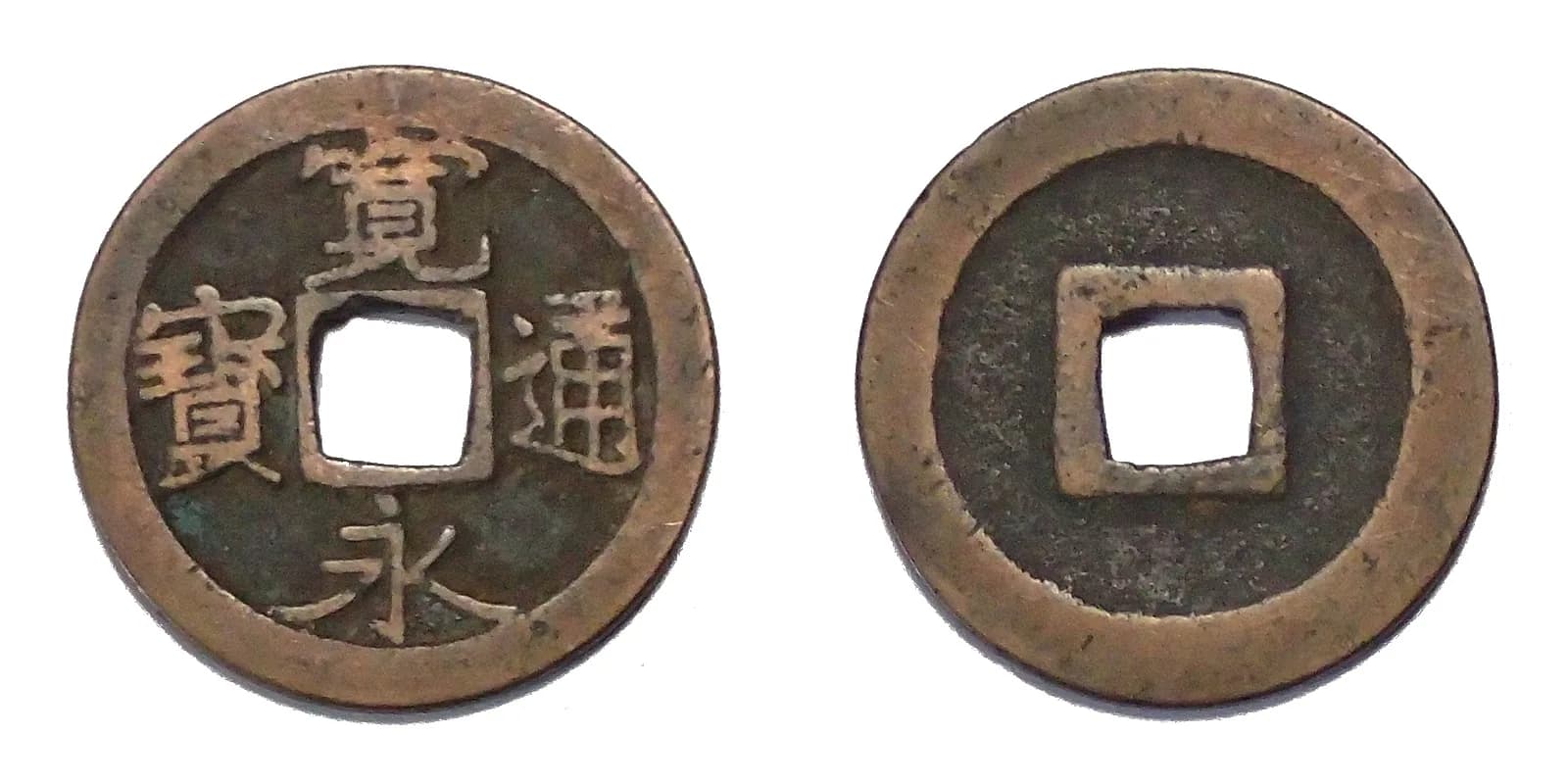
As market values rise, counterfeit antique coins have grown increasingly sophisticated.
Why does the tragedy of "buying what you believed was genuine only to find it was a fake" keep happening?
And how can we detect fakes and protect our valuable assets?
The Shadow Over the Soaring Antique Coin Market — The Threat of Counterfeits and Market Trends
In recent years the antique coin market has been thriving, and in particular, rare gold and silver coins have attracted attention from collectors and investors worldwide for purposes of asset preservation and speculation. For example, historically significant coins such as Meiji-era gold coins and Edo-period koban are sometimes traded at surprisingly high prices owing to their attractive designs and rarity. This price surge, on the other hand, provides a powerful incentive for counterfeiters, creating a situation in which sophisticated fakes circulate in the market and trouble many collectors and investors.
The latest counterfeiting technology has evolved remarkably, and fakes produced using 3D printers, laser engraving technology, and similar tools are extremely difficult for the untrained eye to distinguish. Particularly in online auctions, where the actual item cannot be inspected in person, the risk of purchasing a fake is even greater. For this reason, when dealing in antique coins, knowledge of how to identify fakes and altered pieces can be said to be indispensable.
Why Are More Counterfeits Found Among Higher-Value Antique Coins? The Logic of Value Explained in Three Layers
Factors That Determine the Value of Antique Coins and the Temptation of Counterfeiting (For Beginners)
The value of an antique coin is determined by its rarity, its state of preservation, its historical background, and the balance of supply and demand in the market. For example, Kan'ei Tsūhō (寛永通宝), which were issued in large quantities during the Edo period, are relatively inexpensive in their common forms, but specimens from specific mints or with unusual calligraphic styles can fetch high prices. On the other hand, coins such as the Ryū 20-Sen Silver Coin (竜20銭銀貨) and the Kyokujitsuryū 20-Sen Silver Coin (旭日竜20銭銀貨) from the Meiji era—issued in small numbers and in good condition—tend to command very high prices.
Counterfeiters target precisely this "tendency to command high prices" in order to profit. In the antique coin market, even when items look identical, minute differences such as the degree of wear, the state of oxidation, and slight casting errors at the time of minting greatly affect value. Fakes are crafted to replicate even these fine details so as to be indistinguishable from high-value genuine pieces. Particular care must be taken with counterfeits of rare error coins and proof coins. Understanding the types and classification system of antique coins first is the initial step toward identifying fakes.
Counterfeiting Targets as Seen Through Market Supply and Demand and Grade Ranges (For Intermediate Collectors)
The prices of antique coins rise when demand from collectors and investors worldwide increases while supply remains limited. Looking at recent price trends, it is clear that prices have risen markedly for coins in the higher MS (Mint State) grade ranges as evaluated by third-party grading services such as PCGS and NGC—for example, Meiji-era gold and silver coins graded MS65 or above. Such rarity in the higher grade ranges makes these coins the most attractive targets for counterfeiters.
Specifically, a coin graded MS66 by PCGS can command a price that is several times to dozens of times higher than an MS64 specimen of the same coin; such differences are by no means unusual. Counterfeiters exploit this "price jump caused by grade differences" by altering genuine low-grade coins or attempting to circulate outright fakes as high-grade pieces. Polishing surfaces to conceal damage or using lasers to retouch fine details are typical methods. Such altered pieces not only severely diminish the value of genuine coins but also pose a serious problem that undermines market credibility. It is therefore necessary to develop a deep understanding of grading standards and how to read grades for antique coins and to remain alert to the counterfeiting of graded slab holders as well.
Reading Counterfeits Through the Flow of Funds and the Movements of Market Participants (For Advanced Collectors)
The flow of funds in the antique coin market has shifted significantly in recent years due to the entry of institutional investors, high-net-worth individuals, and new participants from overseas. In particular, growing concern over geopolitical risk and inflation hedging has heightened interest in physical assets such as gold and silver coins, causing substantial capital inflows. While these inflows push up prices for high-value coins, they simultaneously accelerate the circulation of counterfeits.
Looking at the behavior of market participants, speculative short-term trading has increased while long-term purchases for asset preservation remain firmly in place. Counterfeiters exploit this market excitement to cleverly mix in fakes. They frequently use local auctions where information is scarce and authentication is difficult, private transactions between individuals, or online platforms of low reliability as their primary distribution channels. In terms of the logic by which prices are assigned, past auction records and expert evaluations are important, but fakes may either lack such data or use fabricated data to feign legitimacy. The role of trustworthy dealers and authentication institutions in correcting such market distortions is extremely significant. It is essential first to acquire a thorough understanding of the basics of antique coin auctions and to avoid high-risk transactions.
The Impact of Counterfeits and Criteria for Judging Genuine Demand as Seen Through Price Charts
Antique coin price charts are not merely records of price movements; they also serve as important clues for reading the health of the market and the impact of counterfeits. The median price is an extremely important indicator of the general market value of a particular coin. However, in categories where trading volume is extremely low, or in cases where a particular high-value coin is traded only very rarely, caution is required because the median price may not accurately reflect actual market conditions.
For example, if a sharp price increase is observed for a coin despite extremely low trading volume, it may be a sign that fakes or altered pieces have entered the market. If speculative activity not grounded in genuine demand persists, or if a series of unnaturally high hammer prices is observed, market manipulation or the sale of fakes should be suspected. When checking price trends through market price charts, it is essential to conduct a composite analysis of trading volume and price movements across multiple grade ranges. If coins of the same grade are being traded at substantially different prices within a short period, one must carefully consider the possibility of counterfeit infiltration or questions about the reliability of grading. The perspective of separately analyzing transaction data for coins certified by reliable grading institutions and data for uncertified pieces is also important.
Traps That Beginners Are Prone to Fall Into — Examples of Fake Purchases and Failures
The most common mistake made by beginners in antique coin collecting or investing is purchasing fakes due to insufficient knowledge. As a concrete example of failure, the case of jumping at a "high-value item priced too cheaply" stands out. For instance, a beginner may see a large Meiji-era gold coin that should be worth several million yen listed online for tens of thousands of yen, rashly conclude it is "a rare find," and purchase it—only to end up with a crude replica or a fake made simply by gold-plating the surface.
"Insufficient verification of sources" is also a major cause of failure. Cases of purchasing from unreliable dealers based on uncritical acceptance of information from personal blogs or social media are endless. Bidding on a high-value antique coin in an online auction where the seller has a poor rating or almost no transaction history is likewise a dangerous act. Counterfeiters lure in beginners using cleverly written descriptions and images that can be mistaken for genuine items. "Neglecting to use a grading institution" also leads to failure. When purchasing high-value antique coins in particular, it is advisable to have them graded by a third-party institution such as PCGS or NGC, but begrudging the effort and cost can result in significant losses later on. It is important to develop the habit of conducting thorough research and seeking expert opinion before making a purchase, using the complete guide to fake detection as a reference.
Three Channels Through Which Counterfeits Enter the Market
The channels through which counterfeits of high-value antique coins circulate in the market can be structurally classified into three categories. Because the countermeasures differ depending on the channel, the characteristics of each channel are organized below.
The first channel is "private transactions between individuals." Through channels such as flea market apps, private dealings on social media, and individual listings on online auctions, fakes circulate due to the seller's lack of knowledge or intentional deception. When the price is clearly below the market rate, the great majority of such items are either fakes or pieces with serious defects. Keeping the basic identification principles covered in the basics of identifying fake antique coins in mind makes an initial screening possible.
The second channel is "uncertified sales at brick-and-mortar shops." Among antique dealers, curio shops, and specialist antique coin shops, there are establishments that sell uncertified pieces at market prices. Many genuine coins are included in this channel, but because it depends on the shopkeeper's eye for authentication, the trustworthiness of the shop is a prerequisite for quality. Auction houses covered in the basics of antique coin auctions go through third-party grading, making them a lower-risk channel than retail shop sales.
The third channel is "the infiltration of sophisticated modern reproductions into the market." With advances in 3D scanning and precision casting technology, reproductions have been produced that are extremely difficult to distinguish by appearance alone. This poses an infiltration risk in both private transactions and brick-and-mortar sales, and it is the channel requiring the greatest caution.
The Basics of Identification — Five Perspectives
While methods for identifying fakes include coin-specific know-how tailored to particular denominations, there are five basic perspectives that apply across the board.
The first perspective is "weight and dimensions." Genuine coins fall within an extremely small margin of error from their specified standard values. Even in the grade evaluations covered in grading standards and how to read grades for antique coins, conformance to physical specifications is a prerequisite. A specimen that deviates significantly from standard weight and dimensions is a strong clue to suspect its authenticity.
The second perspective is "the color and texture of the metal." Genuine coins show natural oxidation and wear that has progressed uniformly across the entire surface over decades to centuries since minting. Even when modern reproductions have had an artificial antique finish applied, the pattern of oxidation is often locally uneven or does not extend to the interior.
The third perspective is "casting marks and finishing marks." The casting mold technology of the period in question produced characteristic patterns, and because modern reproductions use different processing technology, the characteristics of their casting marks differ. This is difficult to identify without accumulated experience, but familiarity with it can be developed intuitively through observing many genuine pieces in person.
The fourth perspective is "fine details of the characters and design." Genuine coins bear subtle variations from the hand work of the casting artisan, which become the individual "character" of each specimen. Because modern reproductions are mechanically replicated from a source dataset, the variation in the characters tends to be regular and uniform. Understanding the system of variant classification covered in an explanation of Kan'ei Tsūhō variant classification reveals the significance of individual differences in genuine pieces.
The fifth perspective is "provenance and certification documents." A specimen with a clear provenance and accompanying certification from a reliable grading institution has a substantially lower probability of being a reproduction. Slabbed coins from international grading institutions, covered in PCGS and NGC grading evaluations of Japanese antique coins, represent one of the most powerful forms of third-party guarantee.
Counterfeit Risk and Countermeasures by Coin Type
Counterfeit risk varies by coin type. Coin types with high circulation volumes and strong name recognition tend to attract more counterfeits.
Representative high-risk coin types include the Keichō Koban (慶長小判), Meiji gold coins (old ¥20 gold coins / 旧20円金貨), Tenpō Tsūhō (天保通宝), and rare variants of Kan'ei Tsūhō. These are coin types that are easily targeted by counterfeiters because they have substantial market circulation volumes and high prices. Consulting the authenticity determination points for each type covered in authenticity determination points for the Keichō Koban and value determination for Tenpō Tsūhō reveals the risk characteristics specific to each coin type.
Conversely, coin types with relatively lower counterfeiting risk include ultra-rare types with extremely low circulation volumes (such as the Keichō Ōban / 慶長大判 and the Tenpō Ōban / 天保大判). Because the number of extant specimens of these coins is too small for reproductions to have many opportunities to circulate in the market, the economic rationale for counterfeiting them is low. However, precisely because of this rarity, the impact if a reproduction does appear is extremely significant, and particular care is required when purchasing.
Practical Guidelines for Safe Acquisition
Practical guidelines for safely acquiring high-value antique coins can be summarized in the following three points.
First, purchase only from trustworthy dealers and auction houses. Gain experience before attempting private transactions between individuals. Second, prioritize certified slabbed coins. The guarantee provided by third-party grading substantially reduces risk at the time of purchase. Third, always verify price levels and the characteristics of the coin type using multiple reference sources before purchasing. Using the chart analysis covered in how to correctly read antique coin price charts helps develop a sense of the market.
By adhering to these guidelines, the risk of counterfeits in high-value antique coins can be greatly reduced, establishing an environment in which one can pursue collecting with peace of mind.
Long-Term Trends in Counterfeit Risk
Counterfeit risk changes over time. As a trend observed over the past decade, the proportion of reproductions that are extremely difficult to distinguish by appearance alone has been increasing due to advances in modern precision machining technology. This is a structural change observed across all channels—private transactions between individuals, brick-and-mortar sales, and online auctions alike.
As a countermeasure, the use of third-party grading institutions has been spreading throughout the market as a whole. As covered in the latest explanation of how PCGS/NGC grade re-evaluations move the antique coin market, the proportion of slabbed coins from international grading institutions in the high-value antique coin market has been rising year by year, and the price gap between certified and uncertified pieces is also widening. This is a clear sign that market participants are moving toward consciously managing counterfeit risk.
Conclusion
A Framework for Seeing Through Fakes and Investing Wisely in Antique Coins
The risk of counterfeits in high-value antique coins will likely increase further as the market flourishes and technology advances. In order to invest wisely in antique coins, thoroughly "arming oneself with knowledge" is indispensable above all else. In particular, it is necessary to develop a deep understanding of the historical background, mintage figures, characteristics, and past price levels of the coins one is targeting.
From the perspective of documentation, certified high-grade pieces retain far more information that can be verified later, since both authenticity and condition have been confirmed by a third party. Uncertified pieces and pieces whose distribution history is unknown provide no such supporting evidence. Starting with categories that have high trading volumes and stable median prices, rather than high-value coins with thin markets, can be said to be the winning approach for beginners. For example, it is wise to build experience in categories with relatively high circulation volumes and many certified specimens—such as Meiji-era Ryū 50-Sen silver coins (竜50銭銀貨) and well-preserved Edo-period gold koban. Coins graded MS64 or below occupy a zone that is relatively accessible with lower risk, because the price gap between them and top-grade MS65-and-above specimens is too wide.
At ITTENDO, past auction records and price charts are used to enable users to track the "current state" of antique coins. Antique coin investment is a field brimming with history and romance. At the same time, however, the risks of fraud and counterfeits lurk within it. By always maintaining vigilance and placing importance on reliable sources of information and expert opinions, let us build a treasured collection with peace of mind.
Countermeasures Against Fakes Are Built Through the Accumulation of Knowledge and Caution
There is no magic prescription for countering fakes in high-value antique coins. Understanding the risk characteristics specific to each distribution channel, acquiring the five perspectives for identification, grasping the risk characteristics for each coin type, and choosing safe acquisition channels—by steadily accumulating these four practices, risk can be brought down to a manageable level. Using the perspectives presented in this article as a starting point and combining them with specialized explanations for each individual coin type will serve as the foundation supporting long-term collecting activity.
A Long-Term Perspective on Countermeasures Against Fakes
Countermeasures against fakes are not complete with a single moment of caution at the time of purchase; a long-term perspective that runs throughout one's entire collecting activity is necessary. The counterfeit risk in the market changes with the times, and structural factors—including advances in precision machining technology, diversification of distribution channels, and the influx of overseas reproductions—continuously act to push risk levels upward. To address this, it is indispensable not only to deepen knowledge of individual coin types but also to continuously follow overall market trends and maintain an attitude of incorporating information about new counterfeit patterns. By developing the habit of market analysis covered in how to correctly read antique coin price charts, there will be situations in which abnormal market movements allow one to sense the early signs of counterfeit circulation. Information exchange among collectors is also one important countermeasure, and sharing the latest counterfeit cases through online communities, specialized research groups, and subscriptions to specialist publications supports risk management at the individual level.