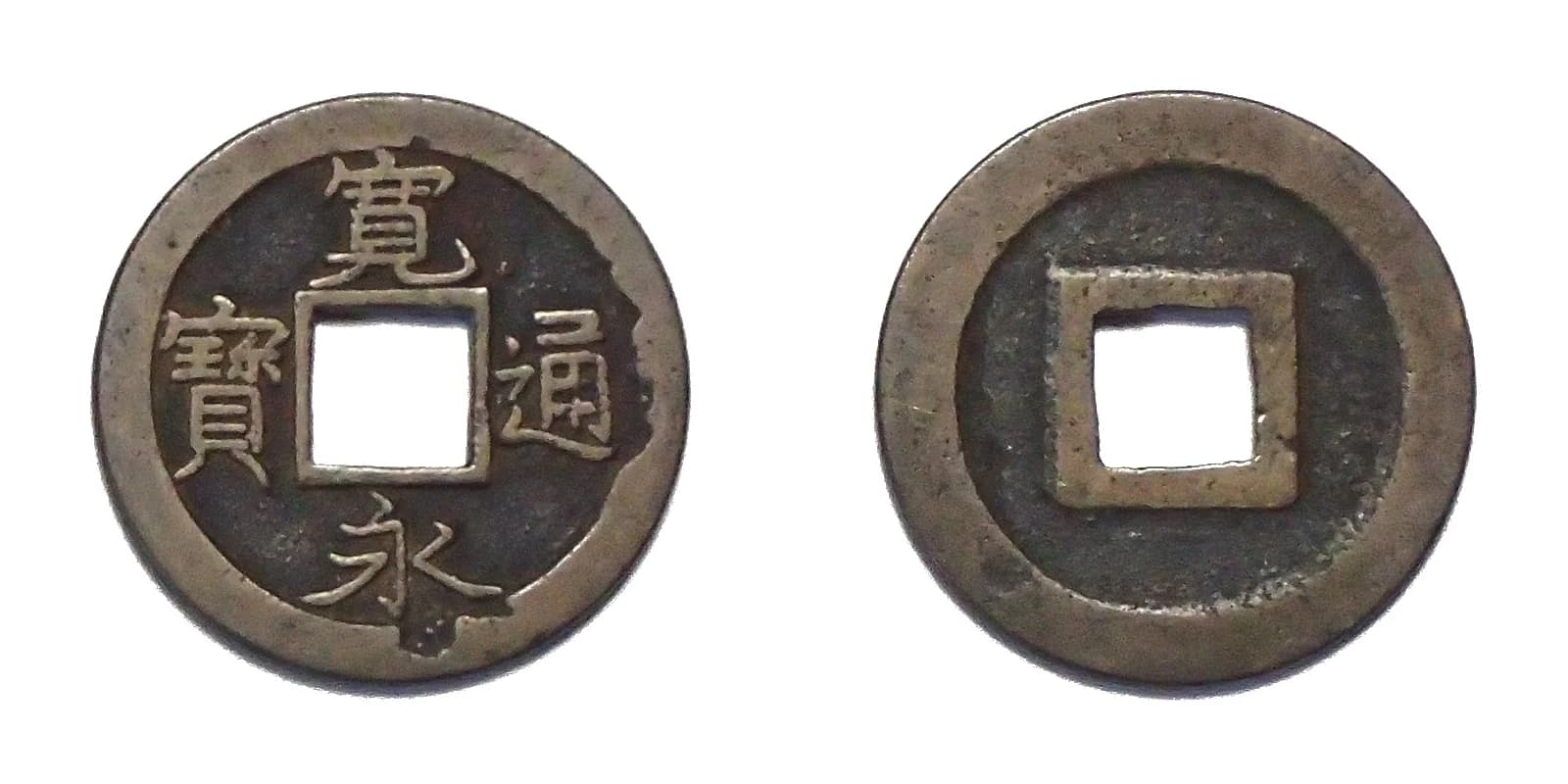
The Online Trap: Why Images Alone Can't Reveal a Coin's True Nature
In recent years, the online market for ancient coins has become incredibly active. From flea market apps to specialized auction sites, a wide variety of platforms now facilitate coin trading. This accessibility offers new collecting opportunities but also brings significant risks when purchases are based solely on images.
One major concern is the proliferation of cleverly crafted fakes and altered coins designed to inflate their value. For instance, gold and silver coins from the late Edo to early Meiji periods are often targeted by counterfeiters due to their rarity and high market value. Since the 2020s, sophisticated replicas, particularly from China, have appeared on online marketplaces at low prices. These can be difficult to distinguish from genuine articles, and novices risk substantial losses if they buy them without proper verification. The resolution, lighting, and angle of digital images often make it nearly impossible to spot subtle differences between genuine and fake coins, posing a significant challenge for online buyers.
The Deeper Factors Influencing Value: Why Identical-Looking Coins Have Different Prices
A coin's value isn't merely determined by its age. It's a complex interplay of several factors. Even coins that appear identical can have vastly different market values.
For Beginners: Rarity and Condition Are Key
The fundamental elements determining a coin's value are its rarity, condition (grade), and historical background. Rarity refers to how uncommon a coin is, perhaps due to limited mintage or few surviving examples. For example, various types of Edo-period Zeni coins (Kanei Tsuho, Tenpo Tsuho) exist, with significant differences in survival rates based on where and when they were minted. Some rare varieties fetch prices incomparable to common ones.
Condition, or grade, evaluates the coin's preservation. Minute scratches, wear, remaining luster, and the presence of rust or corrosion are meticulously assessed. Even for the same type of coin, an "uncirculated" example in pristine condition can be tens or hundreds of times more valuable than a heavily circulated one. For instance, even common Meiji-era coins like the Ryu Ichi-sen copper coin or Ryu Ni-jissen silver coin are highly valuable in uncirculated condition. These subtle distinctions are often impossible to judge from images alone, necessitating expert appraisal.
For Intermediates: Supply, Demand, and Grade Rarity Drive Market Trends
Coin prices, like any market, fluctuate based on supply and demand. Increased collector demand for specific coins can drive prices up, even with stable supply. Recent auction results and market trends are also crucial. The rise of third-party grading services like PCGS and NGC has brought objective standards to coin evaluation, leading to phenomena like the "grade gap," where prices jump significantly between grades like MS64 (Choice Uncirculated) and MS65 (Gem Uncirculated).
This grade gap reflects collectors' pursuit of higher grades. For example, auction data for Edo gold coins (Koban, Oban) over the past three years show that while prices might rise 20% from MS63 to MS64, they can surge over 50% from MS64 to MS65. These minor condition differences profoundly impact market value, making it nearly impossible to determine fair prices without professional grading.
For Experts: Market Participants and Capital Flow Define Pricing Logic
The coin market involves not just collectors but also wealthy individuals seeking asset protection, institutional investors diversifying portfolios, and speculators. Their capital flows and investment strategies significantly influence pricing. During economic instability or inflation concerns, physical assets like gold and silver coins attract attention, driving up prices. This trend reflects the historical influence of 1800s Western collectors on the modern Japanese coin market.
Furthermore, influential dealers or major auction houses can strategically promote certain coins, temporarily or long-term boosting their market prices. They analyze auction history and market trends to select rare coins for market introduction. This information is often inaccessible to general collectors, contributing to market opacity. Coin prices are shaped not only by physical condition but also by complex market psychology and capital movements, requiring insight beyond superficial information to understand overall market dynamics.
Reading Market Charts: Data Reveals True Value
To avoid pitfalls in online coin purchases, understanding market charts is essential. Ittendo's market charts provide detailed data from past auctions. Focus on the "median" rather than just the average, as extreme high or low bids can skew the average, misrepresenting actual market prices. The median offers a more accurate reflection of the typical price range.
It's also crucial to distinguish between "thinly traded" items and those with "actual demand." Thinly traded coins have very few transactions; a single high bid might appear to set a new market price but could be an isolated event. Conversely, graded coins with consistent transaction volumes indicate stable prices driven by genuine demand. When analyzing charts, check the frequency and volume of trades. A stable price range for specific grades indicates a reliable price benchmark. For instance, major Modern gold and silver coins (Meiji-Showa) with abundant PCGS/NGC graded data for MS63-MS65 often show stable price trends.
Common Pitfalls for Beginners: Losses from Hasty Judgments
While convenient, online coin buying presents common traps for beginners. The most typical is judging solely from images, leading to disappointment when the physical coin differs. Poorly lit, low-resolution, or strategically angled photos can obscure a coin's overall condition or defects. For irregular coins like Edo silver coins (Chogin, Mameitagin), lighting angles can hide scratches or dents. Images lacking views of the reverse, edges, or rims risk missing crucial authenticity points or damage.
Another frequent mistake is being lured by low prices only to discover the coin is fake. If a highly valuable coin is offered at an unusually low price, it's wise to be highly suspicious of its authenticity. Overly optimistic expectations for ungraded coins leading to overpayment are also common. Getting caught in a bidding war during the final moments of an online auction, losing composure, and paying more than the coin's actual worth is another pitfall for beginners. To avoid these mistakes, thoroughly understanding basic knowledge of coin auctions beforehand is crucial.
Key Points for Identifying Fakes
To avoid purchasing fakes online, knowing specific identification points is essential. While images have limitations, some knowledge can mitigate risk. First, consider the material and weight. Genuine coins adhere to specific alloy ratios and weights. Even slight discrepancies suggest a fake. For example, Meiji-era silver coins have a high purity and specific gravity. Thickness and diameter are also important; these physical details should be listed in the product description or confirmed by asking the seller.
Next, examine the clarity of the inscription and the style of the text. Genuine coins are meticulously struck or cast by skilled artisans, displaying unique characteristics in their fine details and lettering. Fakes often have blurry molds, unnaturally thick lines in the text, or unnatural burrs not present on authentic coins. As detailed in How to spot fakes and altered coins, the treatment of the edges and the naturalness of wear are critical indicators. Be wary of unnatural luster or artificial processing marks. Ultimately, multi-faceted verification from an expert perspective, as suggested in the Complete guide to fake detection, is the most reliable method.
Choosing Reliable Information Sources and Platforms
To safely purchase coins online, selecting trustworthy information sources and platforms is paramount. First, carefully check the seller's ratings and track record. Sellers with extensive transaction history and positive feedback are generally more reliable. However, for high-value coin purchases from new sellers or those with very few ratings, extreme caution is advised.
Choosing coins graded by third-party authentication services like PCGS or NGC is the most reliable way to ensure authenticity and condition. These organizations rigorously appraise coins, filtering out fakes and altered items. Graded coins are encapsulated in special slabs with anti-counterfeiting measures. Coin-specific platforms like Ittendo provide past auction data and market charts, aiding informed purchase decisions based on objective information. Furthermore, consulting coin communities and expert opinions is an effective way to avoid mistakes. Criteria for selecting reputable dealers and auction houses are thoroughly explained in various Ittendo articles, such as Coin types and classification system.
Editor's Conclusion: Your Compass for Smart Coin Collecting
Online coin purchasing offers convenience and diverse choices, but the risk of unseen issues from images alone always exists. Especially for beginners, hasty decisions can lead to significant losses. The first step to smart coin collecting is to deeply understand Coin Grading Standards and How to Read Them and start with coins graded by reputable third-party services.
Looking at current market trends, particularly in categories with high circulation and abundant grading data like Modern gold and silver coins (Meiji-Showa), PCGS/NGC graded coins in the MS63-MS64 range offer a solid balance of price and quality. Grades of MS65 and above can see sharp price increases, posing higher risks for beginners. It's advisable to start with actively traded zones to develop a feel for the market. Ittendo helps you track the current state of the coin market with historical auction records and market charts.