Overseas Buyers Eyeing the Current Japanese Old Coin Market
Japanese old coins, with their intricate beauty and unique historical background, have captivated collectors worldwide. In recent years, Japanese old coins have gained increasing prominence in the international market. There's a noticeable trend of overseas buyers actively purchasing Japanese old coins, leading to significant price increases for specific types of coins.
This phenomenon is due to a combination of several factors. For example, the widespread use of the internet has allowed information about Japanese old coins to spread globally almost instantly. This has increased the exposure of rare coins, previously known only within Japan, to wealthy individuals and specialized collectors abroad.
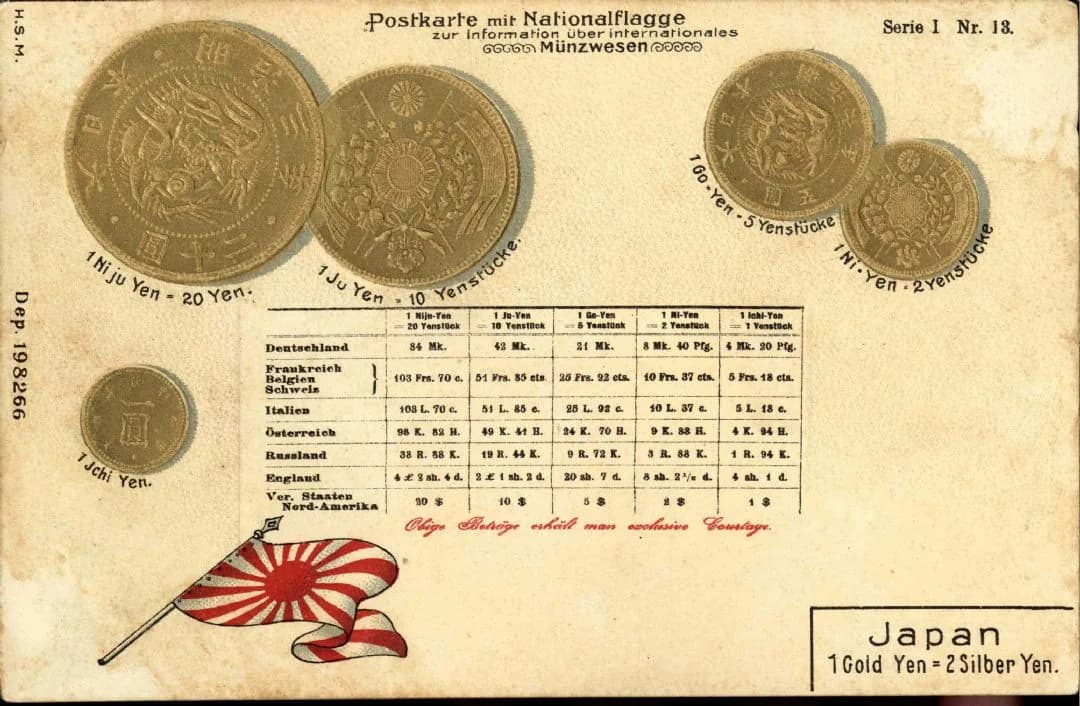
Furthermore, exchange rate fluctuations also play a significant role. Particularly during periods of yen depreciation, Japanese old coins appear relatively more affordable to overseas buyers, stimulating their purchase intent. They value not only the speculative potential but also the cultural and artistic merit of these artifacts, collecting them for their intrinsic worth. This trend is especially evident for items that combine historical and artistic value, such as Edo period gold coins and Meiji-era modern gold coins. Recent auctions have seen Meiji-era dragon gold coins fetching high prices at international auction houses, contributing to the overall revitalization of the Japanese old coin market.
Why Are Japanese Old Coins Highly Valued Overseas?
The significant attention Japanese old coins receive in the international market can be attributed to various factors. Here, we delve into how coin values are determined and how the market operates, from three perspectives tailored for beginners to advanced collectors.
[For Beginners] Universal Factors Determining Coin Value
The value of an old coin isn't solely determined by its age. The most crucial factors are "rarity," "condition," and "historical background." For instance, even among Kanei Tsuho coins, their value can vary significantly based on the period and location of minting, material, and the number of existing pieces. In extreme cases, some may trade for a few hundred yen, while others fetch hundreds of thousands of yen.
Rarity increases with fewer existing pieces. Coins issued for a short period, or extremely limited circulation pieces like trial strikes, naturally command higher prices. Preservation condition is also very important. Even if a coin is rare, its value decreases if it's heavily worn, rusty, or scratched. Specialized institutions use detailed grading systems, such as MS (Mint State) and AU (About Uncirculated), which serve as international trading standards. Furthermore, the coin's connection to historical events and the context of its use—its story—is a significant draw for collectors. For example, silver coins used in trade during Japan's isolationist period might receive high valuations due to their historical significance.
[For Intermediate Collectors] Understanding Supply-Demand and Market Trends
Old coin prices, much like stock markets, fluctuate based on supply and demand. If demand from overseas concentrates on a specific type of coin, its price will rise. Recently, demand has been particularly strong for coins in very good condition, specifically in the MS64 to MS66 grade range. These grades often represent the "ultimate goal" for collectors, and as the number of such coins on the market is limited, they tend to trade at high prices.
Recent market trends show that Edo gold coins (Kobans and Obans) and early Meiji modern gold coins maintain stable high prices, with some rare types seeing price increases of over 20% in the past few years. This is because these coins possess not only historical value but also the intrinsic value of gold, thus being evaluated for their role as an inflation hedge. Conversely, common hole coins, which are abundant in the market, are unlikely to see significant price increases unless they are in exceptional condition. However, certain rare variations or error coins can exceptionally fetch high prices. Understanding the different types and classification systems of old coins will help you interpret trends more deeply.
[For Advanced Collectors] Analyzing Capital Flows and Market Participants in the International Market
The international old coin market extends beyond a mere hobby, functioning as an investment and asset management vehicle for the wealthy. This market is primarily driven by affluent collectors from Europe, North America, China, and the Middle East, along with specialized dealers and some institutional investors. They allocate funds to rare Japanese old coins as part of diversified portfolios or as art investments.
Chinese buyers, in particular, often have a deep interest in Japanese culture and history, showing strong purchasing intent for coins connected to their cultural sphere. They are willing to invest substantial capital in well-preserved coins, which contributes to overall market price increases. Furthermore, the evolution of digital auction platforms has made it possible to bid on Japanese old coins from anywhere in the world, significantly enhancing market liquidity. This has led to the widespread sharing of information previously known only to a few specialists, increasing pricing transparency. These capital flows impact not only the value of individual coins but also the price levels of entire categories. For example, historically symbolic coins like Edo gold coins are increasingly being incorporated into the portfolios of wealthy individuals.
Reading Price Charts to Understand the Current State of Old Coins
In old coin trading, price charts are a crucial source of information. However, simply looking at price trends is not enough. It's essential to utilize the price charts provided by Ittentdo to gain a deeper understanding of the market.
First, focus on the "median price." The average price can be significantly distorted by extremely high or low prices that occur rarely. The median, on the other hand, represents the middle value of the data, providing a more accurate sense of the actual market price. Second, you need the ability to distinguish between "thin trading" and "genuine demand." If a coin suddenly fetches a high price during a period of extremely low trading volume (thin trading), it might be temporary. It could be a price created by a specific buyer's whim or information warfare. However, if trading volume is consistently high and prices are rising, it indicates genuine demand—stable interest from many collectors and investors. This discernment is a critical criterion for successful old coin purchases. Especially for modern coinage from the early 1900s, many show significant price differences based on grade, making detailed chart analysis valuable.
Common Mistakes for Beginners and How to Avoid Them
Beginners entering the world of old coins often make several common mistakes. Preventing these errors can lead to safer and wiser old coin collecting and investing.
One of the most frequent mistakes is misjudging the "condition." This involves assessing a coin's condition as good based solely on photos and purchasing an expensive coin without physical inspection. Old coins often have subtle scratches or repairs invisible to the naked eye, which can significantly affect their value. Coins not graded by a professional institution should be considered with caution. Another common error is purchasing fakes or altered coins at high prices without understanding how to identify them. Especially for popular and rare coins, sophisticated counterfeits are prevalent, so caution is advised. It's wise to purchase from reputable dealers or auction houses and opt for coins with certification.
Furthermore, "overpaying due to lack of information" is a common pitfall. If you impulsively buy a coin without thoroughly researching its historical background or rarity, you might acquire it at a price far above its market value. Also, without knowing the correct storage methods for old coins, you might inadvertently damage your valuable acquisitions. Knowledge of how to protect coins from humidity, temperature fluctuations, and physical impacts is essential. To avoid these mistakes, it's crucial to first accumulate knowledge and seek advice from reliable sources and experts.
Ittentdo's Conclusion: A Framework for Smart Old Coin Transactions
The value and market prices of Japanese old coins in the international market will continue to fluctuate. To succeed in this dynamic market, having a clear decision-making framework is essential.
Ittentdo's recommended conclusion is: "Beginners will win by entering zones with high trading volume and relatively stable price differences between grades." Specifically, coins graded MS64 and below are currently more accessible price-wise. Given the current wide price gap with high-grade items (MS65 and above), these coins may hold potential for future appreciation. Focusing on well-preserved coins that are still within an affordable price range and gradually building knowledge and experience is a prudent strategy.
It's also important to specialize and deepen your knowledge in specific eras or types. For example, by studying modern gold and silver coins from the Meiji to Showa eras and focusing on specific years or mint marks, you can enhance your expertise and become more adept at identifying subtle market changes or hidden values. Building your collection or investment portfolio steadily, without rushing, will pave the way for success in the old coin market.
Ittentdo provides tools to track the current state of old coins based on past auction history and market charts.