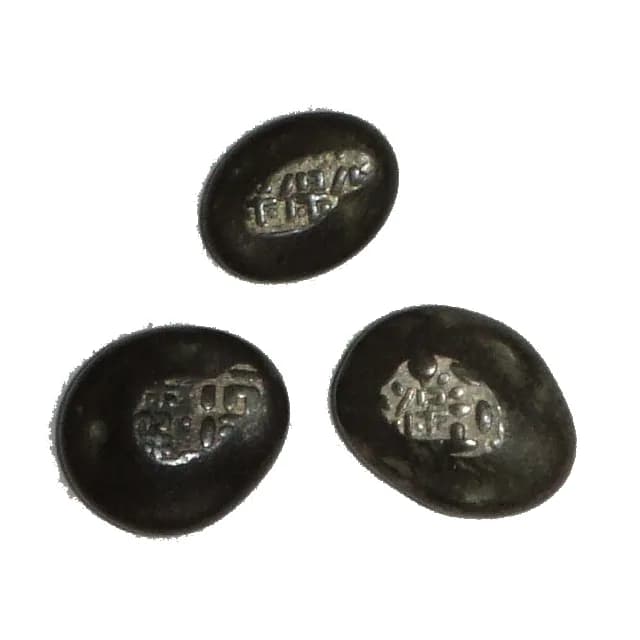
Image: Silver coins from the Edo to early Meiji periods / As6673 / Wikimedia Commons / CC BY-SA 3.0(source)
Nagano Olympic 10,000 Yen Gold Coin — Commemorating the Glory of Winter Sports
Limited Edition Gold Coins Issued to Celebrate the Nagano Winter Olympics
Subject coin: 長野五輪1万円金貨
Overview
The 1998 Nagano Winter Olympics was a major event in Japan's sports history. To commemorate this event, the Nagano Olympic 10,000 Yen Gold Coin was issued. The value and market for this commemorative coin have been highly popular among collectors since its release, leading to fierce competition. The gold coins featured motifs of alpine, skiing, skating, and curling, with four designs, each issued in a limited edition of 50,000 pieces. Due to the limited number of coins, applications flooded in and sales were determined by lottery. Like the details of the Keichō Koban or the types and identification of Edo gold coins, this gold coin holds a special place in Japan's currency history.
Specifications
- Denomination
- 1万円
- Minting period
- 平成9〜10年(1997〜1998年)
- Metal composition
- 金99.9%
- Weight
- 20g
- Dimensions
- 直径28mm
- Mintage
- 各5万枚
- Mint supervisor
- 不詳
- Market price
- 20万円〜50万円(状態による)
Chapter 1: The Heisei Sporting Festival — Background of the Nagano Olympics
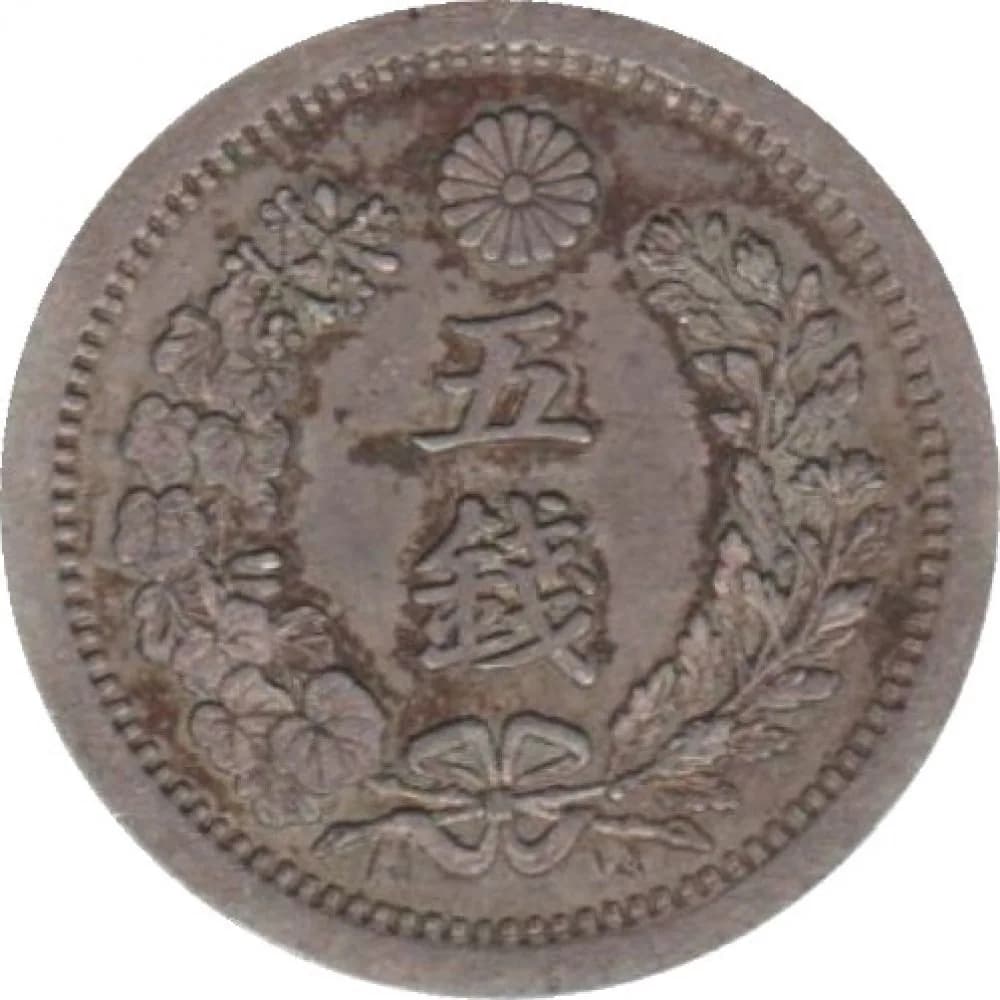
Image: Modern Japanese coinage / Coindesmonnaies / Wikimedia Commons / CC BY-SA 4.0(source)
The 1998 Nagano Winter Olympics, as the second Winter Olympics held in post-war Japan, attracted international attention. The event was positioned as a symbol of peace and friendship through sports, drawing numerous spectators both domestically and internationally. Nagano Prefecture, the host, equipped with natural beauty and advanced facilities, supported the athletes' competitions. To commemorate the success of the Olympics and to showcase Japanese culture and technology to the world, the government decided to issue a special commemorative coin. In 1997 (Heisei 9), the Ministry of Finance announced the minting of the 10,000 Yen gold coin. This coin was crafted from high-quality gold with a 99.9% purity and weighed 20g. The issuance was limited to 50,000 of each design, enhancing its value as a collector's item. The designs, featuring popular sports such as alpine, skiing, skating, and curling, conveyed the charm of sports. During this era, Japan was in a period of economic reconstruction after the bubble burst, and the Olympics became a major event that energized the nation. The issuance of the commemorative coin was promoted as a project with cultural and economic significance in this contextual background.
Chapter 2: A Fusion of Technology and Beauty — The Process of Coin Minting
Image: Modern Japanese coinage / Coindesmonnaies / Wikimedia Commons / CC BY-SA 4.0(source)
The minting of the Nagano Olympic 10,000 Yen Gold Coin demonstrated Japan's advanced technological prowess. The Japanese Mint, commissioned by the Ministry of Finance, used its experience and technology to produce the coins. The minting location was at the main mint in Osaka, where state-of-the-art technology was introduced. The gold coin was made using gold with a 99.9% purity, standardized at a weight of 20g. The designs, which depicted the four sports of alpine, skiing, skating, and curling, were expressed in delicate engravings. During the production process, an ingot of gold was melted at high temperatures and poured into a specific mold, a casting method was employed. After forming the gold using the mold, engravers applied intricate designs. Particularly, fine details were demanded to realistically reproduce the movements and expressions of the athletes, with each coin carefully finished by the hands of skilled technicians. As a result, the gold coin acquired value not just as currency but also as a work of art. The completed coins were encased in special cases and sold through financial institutions nationwide. Applications were conducted by lottery based on the types and characteristics of commemorative coins, but their popularity was so high that they quickly sold out.
Chapter 3: Market Frenzy — Circulation and Public Reaction
Image: Modern Japanese coinage / Coindesmonnaies / Wikimedia Commons / CC BY-SA 4.0(source)
The issuance of the Nagano Olympic 10,000 Yen Gold Coin garnished significant interest from collectors and investors both domestically and internationally. The issue was limited to 50,000 pieces for each design, and applications quickly flooded in upon opening. Financial institutions adopted a lottery-based sales method to handle the large volume of applications. As the lottery results were announced, winners rejoiced and visited financial institutions to collect their coins. Conversely, unsuccessful applicants awaited resales or considered purchases through auctions or collector markets. Due to its rarity and the special Olympic background, market prices temporarily soared. The initial price was 10,000 Yen, but in the secondhand market, it reached between 200,000 and 500,000 Yen. The coin was highly regarded for its value and market in commemorative coins, where particularly rare designs were traded at even higher prices. Thus, the coin became a noteworthy presence not only as a collectible but also as an investment. Additionally, many fans collected it as a set with the Nagano Olympic 500 Yen commemorative coin, valuing it as part of a collection. To understand more about market trends, reference the basics of coin auctions. In this way, the Nagano Olympic 10,000 Yen Gold Coin captivated the hearts of many as a symbol of the glory of sports.
Chapter 4: Across Time — Influence and Evaluation for Future Generations
Image: Modern Japanese coinage / Coindesmonnaies / Wikimedia Commons / CC BY-SA 4.0(source)
The Nagano Olympic 10,000 Yen Gold Coin continues to be highly regarded as a masterpiece transcending time to the present day. This coin, surpassing its role as mere currency, is cherished as a symbol of sports and culture by many people. It has influenced subsequent issues of commemorative coins and is significant even in the value and identification of modern coins. The coin's design, which fuses the dynamic movement of sports with Japanese artistic sensibilities, is highly praised as a work of art. Especially, each design featuring alpine, skiing, skating, and curling remarkably expresses the vibrancy of the sports and the posture of the athletes, being highly regarded among commemorative coins. In the collector's market, the Nagano Olympic 10,000 Yen Gold Coin still boasts high popularity, with well-preserved items or specific designs trading at high prices. This coin is an indispensable presence for understanding Olympic history and Japanese culture, and its value is expected to be passed on to future generations. Today, many collectors seek this coin, with active transactions occurring domestically and internationally. As a result, the Nagano Olympic 10,000 Yen Gold Coin continues to shine as an important cultural property conveying past glory to the future.
Value & Rarity
The Nagano Olympic 10,000 Yen Gold Coin is positioned as a highly valuable collector's item due to its limited issuance and high gold purity. Although each design was issued in 50,000 pieces, the high demand has led to a continuous increase in market prices since its initial release. Currently, well-preserved items trade for between 200,000 and 500,000 Yen. Particularly, prices fluctuate greatly depending on preservation condition and design rarity, so understanding the criteria of old coin grading is important. Additionally, fluctuations in the gold market price also have an impact, giving it an investment aspect. The coin is especially noted in the value and market of commemorative coins and holds a high position among Olympic commemorative coins. Due to such a background, it is believed that the Nagano Olympic 10,000 Yen Gold Coin will maintain its value in the future, continuing to be an attractive item for collectors and investors.
Conclusion
The Nagano Olympic 10,000 Yen Gold Coin, a special commemorative coin issued between 1997 and 1998, continues to be cherished by many due to its historical significance and beauty. This coin, embodying the glory of sports, surpasses the role of mere currency and is evaluated as an item with cultural value. It boasts high popularity in the collector's market, and its value is anticipated to continue steadily. Through this coin, it plays a role in conveying Japanese sports history and culture to future generations, serving as an important legacy. In this manner, the Nagano Olympic 10,000 Yen Gold Coin will undoubtedly continue to shine as a bridge connecting past glory to the future.
Related Stories
60th Anniversary of Local Autonomy Law 500 Yen Bicolor – 10-Year Journey Across 47 Prefectures
Commemorative Coin Series Born from the Law of 1947
Coin StoryAichi Expo Commemorative Silver Coin — Hope for the Future Carved with the Wisdom of Nature
The History and Value of the 1000-yen Silver Coin Commemorating the 2005 Aichi Expo
Coin StoryCommemorative 500 Yen Cupronickel Coin for the Enthronement of the Heisei Emperor — A Bridge from Heisei to Reiwa
The Story of a Historic Commemorative Coin Celebrating the Enthronement of the Heisei Emperor
Dealers
Dealers Handling This Category
A reference when considering a sale or appraisal. All are dealers and auction houses with a proven track record.
Ginza Coins
Ginza, Chuo-ku, Tokyo
One of Japan's most established numismatic dealers. The scale and variety of their regular auctions is among the largest in the country. Their catalogs are considered a benchmark for market pricing.
Tokyo Coin Club
Tokyo
A membership-based coin dealer known for carefully selected, quality inventory.
Japan Coin Auction (JCA)
Tokyo
Holds regular auctions with reliable hammer price data, making it a useful resource for tracking market values. Caters to a wide range of collectors from beginners to advanced buyers.